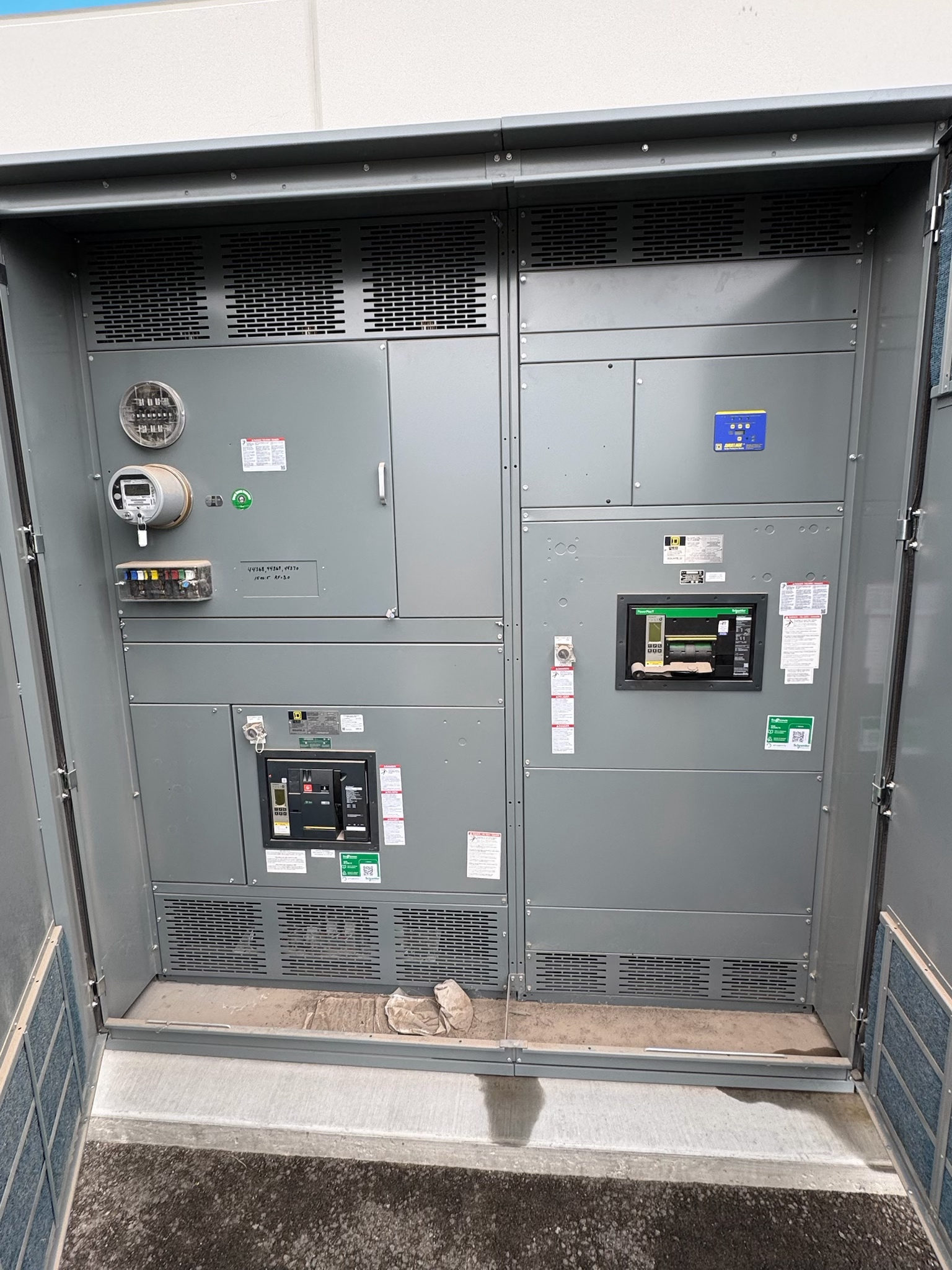
Acceptance Criteria Definition for Switchgear Projects
Acceptance criteria are the agreed, observable conditions that determine whether a deliverable or test result is acceptable. In new switchgear procurement, they turn project requirements into a shared basis for review among the owner, electrical engineer, manufacturer, contractor, and other designated parties. Criteria may address design documents, equipment configuration, manufacturing records, inspection results, test procedures, and closeout information. They should state what will be checked, which requirement governs, who reviews the evidence, and how exceptions are handled. Defining these points before an order is released helps prevent different parties from applying different interpretations after fabrication or testing has begun.
Acceptance is not a general assurance that equipment will suit every application, nor does it replace qualified engineering review. The project team should connect each criterion to approved specifications, drawings, applicable standards, and contract terms. Requirements and standards depend on the equipment design and intended application; a listing or particular capability should not be presumed. Clear acceptance language makes the procurement process more predictable while leaving technical decisions with the responsible project professionals.
Inputs That Shape the Acceptance Conditions
Start with the current project documents: equipment schedules, one-line diagrams, load and protection information, control narratives, site requirements, and the procurement specification. Identify the revision that controls and how later changes are reviewed. Criteria should reflect the intended electrical system and operating functions, rather than copy generic language from an unrelated project. Where the specification calls for a particular standard or listing, confirm that it applies to the proposed equipment and assembly. UL 891, for example, concerns suitable switchboards; it should not be treated as an automatic requirement or qualification for every form of switchgear.
Record open decisions that could affect conformance, such as system voltage, fault-duty requirements, enclosure conditions, metering, protective devices, communications, or future provisions. These are project inputs to verify, not universal product capabilities. The engineer of record and other responsible professionals should resolve technical values and document approved selections. Acceptance criteria can then cite those approved values, identify supporting submittals, and define how a proposed deviation is submitted, evaluated, and accepted before it changes the basis of design.
Turn Requirements Into Verifiable Criteria
A useful criterion is specific enough to verify. Instead of saying that equipment must be “complete” or “suitable,” identify the required drawing, component schedule, function, document, or test outcome and its acceptance reference. For each item, state the evidence expected, the reviewer, and whether approval is required before the next project milestone. Distinguish design-submittal acceptance from manufacturing inspection and test acceptance; one does not automatically establish the other. Also identify permitted tolerances or exceptions only when project documents and responsible professionals define them.
For new switchgear, the selected configuration and ratings must be checked against the approved design and application. Do not treat a rating, enclosure type, short-circuit capability, or certification as universally acceptable. The criteria should point to the project’s governing requirements and a documented verification method. If a requirement is unclear or conflicts with another document, establish a formal clarification process before relying on it. This creates a traceable link from procurement intent to objective review without substituting glossary language for engineering judgment.
Clarify Interfaces and Decision Rights
Acceptance often depends on information and work at equipment boundaries. Identify interfaces with upstream and downstream conductors, grounding, control wiring, protection settings, metering signals, communication networks, and building or utility requirements where applicable. Assign responsibility for supplying each interface detail and set a date or submittal milestone for resolving it. Confirm who furnishes external devices, cables, settings, and connection information; avoid assuming these are included in the equipment scope. The project team should verify interface details against approved drawings and the actual system design.
The contract and project procedures should identify who may review submittals, witness tests, approve deviations, and issue final acceptance. A reviewer’s comment, a test witness, and formal acceptance can be different actions, so define their effect and required records. Establish how nonconforming results are documented, corrected, retested, or dispositioned by authorized parties. For a manufacturer building custom assemblies to specification, clear, approved inputs are especially important before design release. Procurement teams should coordinate review responsibilities early rather than infer authority from participation in a meeting or inspection.
Plan Inspection, Testing, and Records
When testing is part of acceptance, agree on the applicable procedure, test boundaries, instruments or records required, responsible participants, and pass/fail references before the test date. The procedure should align with the approved design and applicable requirements; project professionals determine which tests are relevant. Distinguish factory inspection or testing from site commissioning and operational acceptance. A factory result does not establish that field connections, settings, system integration, or site conditions are correct. No acceptance wording should encourage work on energized equipment; testing and commissioning must be planned and carried out by qualified personnel under appropriate safety controls.
Specify the records needed to close the acceptance step, such as approved drawings, test reports, inspection documentation, final equipment schedules, and a disposition log for exceptions. State the required format and review route if those details matter to the project. If a result is conditional, record the outstanding action, responsible party, due point, and whether it blocks shipment, installation, or final acceptance. These distinctions help procurement and construction teams track status without treating missing evidence as proof of compliance.
Use Criteria to Close Procurement Decisions
Before placing an order, compare the proposed scope and submittal requirements with the project’s acceptance matrix. Confirm document revisions, unresolved technical selections, interface owners, review periods, test expectations, and the authority for approving deviations. For custom switchgear, make acceptance conditions part of the procurement documents and resolve ambiguities through written clarification. A US manufacturer using all-American components may build to an approved specification and ship nationwide, but project suitability, applicable standards, and schedule remain matters to confirm for the specific order. Lead time is project-dependent; acceptance review milestones should be coordinated with the procurement schedule rather than assumed.
A practical next step is to create a register with one row per deliverable or test: requirement source, objective evidence, reviewer, decision deadline, status, and exception path. Have the responsible electrical professionals verify technical criteria, while procurement confirms contractual responsibilities and records. Before closing acceptance, reconcile approved deviations and outstanding items against the agreed conditions. This simple record gives the owner and project team a defensible, shared basis for deciding whether each new-equipment deliverable or test has met the terms they established.
Project specification checklist
Use this checklist to organize the details for a project-specific review. Final ratings, applicable standards and equipment selections depend on the approved design.
| Item | What to confirm |
|---|---|
| Requirement source | Identify the controlling specification, drawing, revision, and any applicable project or contract clause. |
| Verification evidence | Define the submittal, inspection record, test report, or other objective evidence needed for each criterion. |
| Technical basis | Confirm project-specific design values, configuration, applicable standards, and review by qualified electrical professionals. |
| Interfaces and ownership | Assign responsibility for external connections, signals, settings, and information needed to verify system integration. |
| Approval and exceptions | Name authorized reviewers and define how comments, deviations, nonconformances, corrections, and retests are documented. |
| Milestones and records | Set review and test timing, acceptance status, required closeout documents, and any conditions that block the next step. |