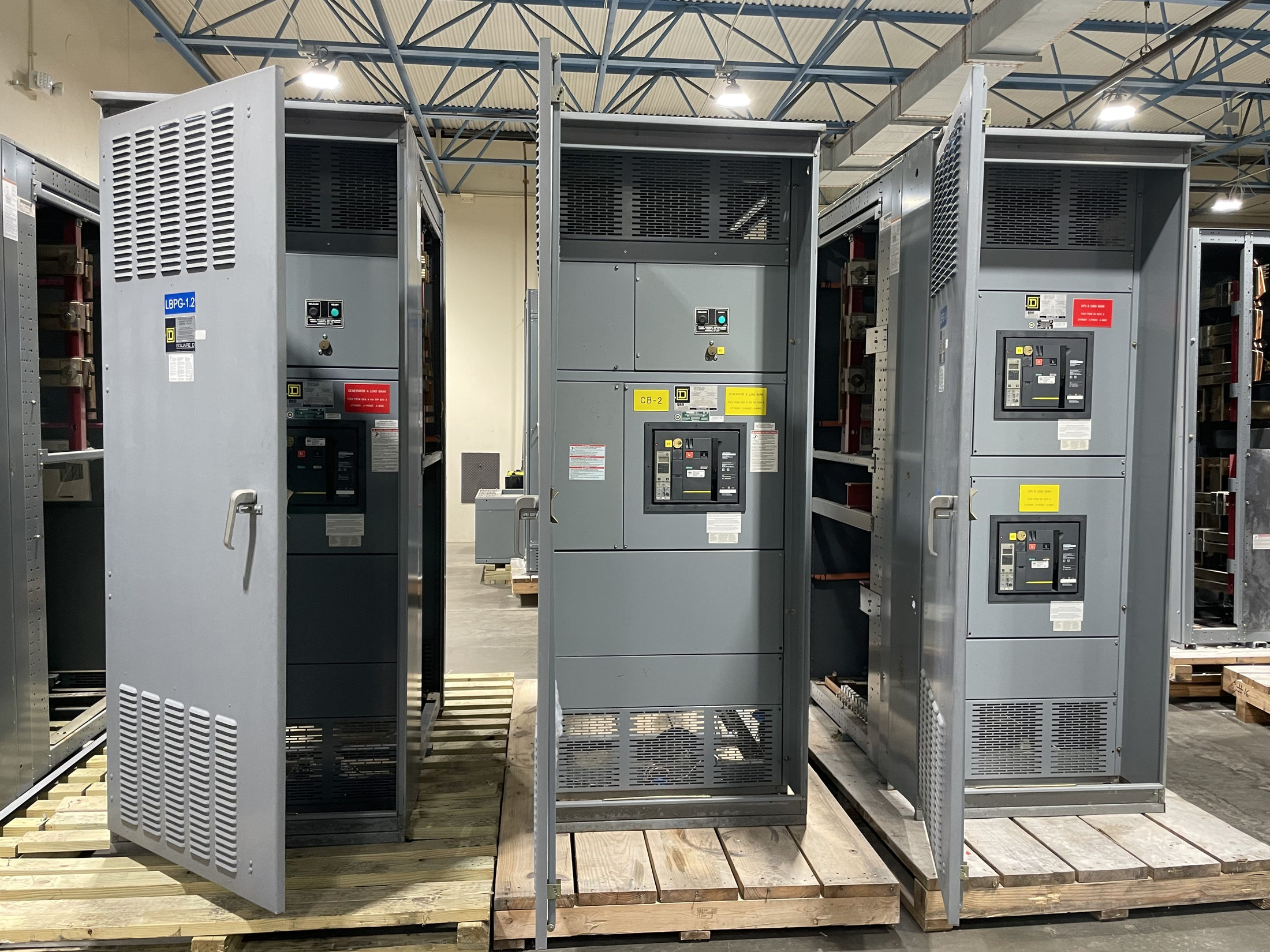
Plan Switchgear Around the Facility
Switchgear by industry is a way to begin planning, not a shortcut to a standard equipment package. A hospital, manufacturing plant, data center, school, and commercial building can differ in operating schedules, load profiles, expansion plans, and the consequences of an interruption. Those differences shape the equipment scope and the questions a project team should answer before requesting a proposal. For Central Texas facilities, start with the one-line diagram, service characteristics, connected and anticipated loads, and the role of the new assembly in the distribution system.
Identify whether the project involves a new service, capacity expansion, replacement, or a new building. Record operating constraints, expected future loads, and interfaces with existing equipment. A qualified electrical professional can use this information to define requirements for review.
Manufacturing and Process Facilities
Manufacturing switchgear planning often begins with the process loads and the cost or safety implications of an interruption. Motors, drives, welders, heating equipment, and process controls may affect demand, starting behavior, and protection coordination. The equipment design should reflect the actual electrical distribution and operating sequence, rather than assumptions based on an industry label. Confirm load data, available fault current, upstream and downstream protective devices, and any required metering or control interfaces.
For a plant expansion, document which loads are new and which existing feeders or bus sections may be affected. Consider whether the assembly needs provisions for planned growth or a defined arrangement of feeders. A qualified engineer should review coordination and the applicable standards for the specific design.
Healthcare, Education, and Public Facilities
Facilities serving patients, students, staff, or the public may have distinct continuity, access, and operating requirements. A healthcare project may need careful coordination with separately designed essential electrical systems; an education or civic project may prioritize maintainability, phased construction, or future building additions. These needs do not establish a universal switchgear configuration. The project team must determine which loads are served, how the distribution arrangement is organized, and what codes and authority requirements apply.
Clarify shutdown windows, room access, equipment replacement paths, and interfaces with generators or other sources if they are part of the project. Confirm responsibility for sequence-of-operation documents, protection settings, and testing records. Engage the facility's electrical professional early so the equipment scope aligns with the wider system design.
Data, Commercial, and Multifamily Buildings
Commercial properties, multifamily developments, and data-focused facilities can differ sharply in density, tenant arrangements, load growth, and tolerance for outages. Planning should identify the service and distribution architecture, major load groups, metering needs, and any source-transfer arrangements included in the project. For data environments, clarify the boundary between switchgear and other power equipment, and document redundancy goals without assuming that a particular arrangement guarantees availability.
For tenant or phased-build projects, define how feeders are allocated and how future additions will connect. Confirm the physical installation constraints, cable entry approach, access for inspection, and coordination with the building design team. Equipment voltage, current, interrupting capability, enclosure, and construction must be selected for the actual conditions and verified by qualified professionals.
Design Review, Standards, and Testing
Industry context helps surface operating priorities, but equipment ratings and construction come from project conditions. The design team should verify system voltage, continuous load, available fault current, grounding, environmental conditions, protection requirements, and connection details. Enclosure and construction choices depend on the installation location and project specifications. Applicable standards also depend on the design and equipment category; UL 891 applies to suitable switchboard assemblies, not automatically to every switchgear product or voltage class.
Before release, coordinate drawings, one-line diagrams, interface requirements, and any specified inspection or test documentation among the owner, engineer, and equipment supplier. Define acceptance criteria and who will review results. Final design and installation decisions require qualified electrical professionals and relevant authorities; no general industry profile substitutes for that review.
From Industry Brief to Equipment Proposal
Prepare a practical request package with the facility type, project scope, one-line diagram, load schedule, system data, site constraints, desired options, and required submittals. Note whether the project is new construction, replacement, or expansion, and identify schedule milestones that affect drawing review and release. If information is incomplete, list open questions rather than treating estimates as confirmed ratings. This gives the manufacturer a clearer basis to develop custom assemblies to specification and identify decisions that could affect lead time.
A US manufacturer serving Central Texas can discuss new switchgear for projects in the region and ship nationwide. Ask which design details need confirmation, what review steps are expected, and whether UL 891 is applicable to the proposed assembly. Compare proposals against the project documents, not just the industry category, and have the responsible electrical professionals approve the final design.
Project specification checklist
Use this checklist to organize the details for a project-specific review. Final ratings, applicable standards and equipment selections depend on the approved design.
| Item | What to confirm |
|---|---|
| Facility and project scope | Confirm facility use and whether the work is new construction, replacement, expansion, or phased installation. |
| System and load data | Provide verified voltage, load schedules, available fault current, grounding information, and expected future loads. |
| Protection and interfaces | Document coordination needs, feeder connections, metering, controls, and any source-transfer interfaces in scope. |
| Installation conditions | Confirm location, environmental conditions, access, cable entry, and enclosure requirements with the design team. |
| Standards and verification | Identify applicable standards, required assembly listings where relevant, review responsibilities, and acceptance testing criteria. |
| Procurement and schedule | Share drawing and release milestones, required submittals, open design questions, and the project-specific lead-time target. |