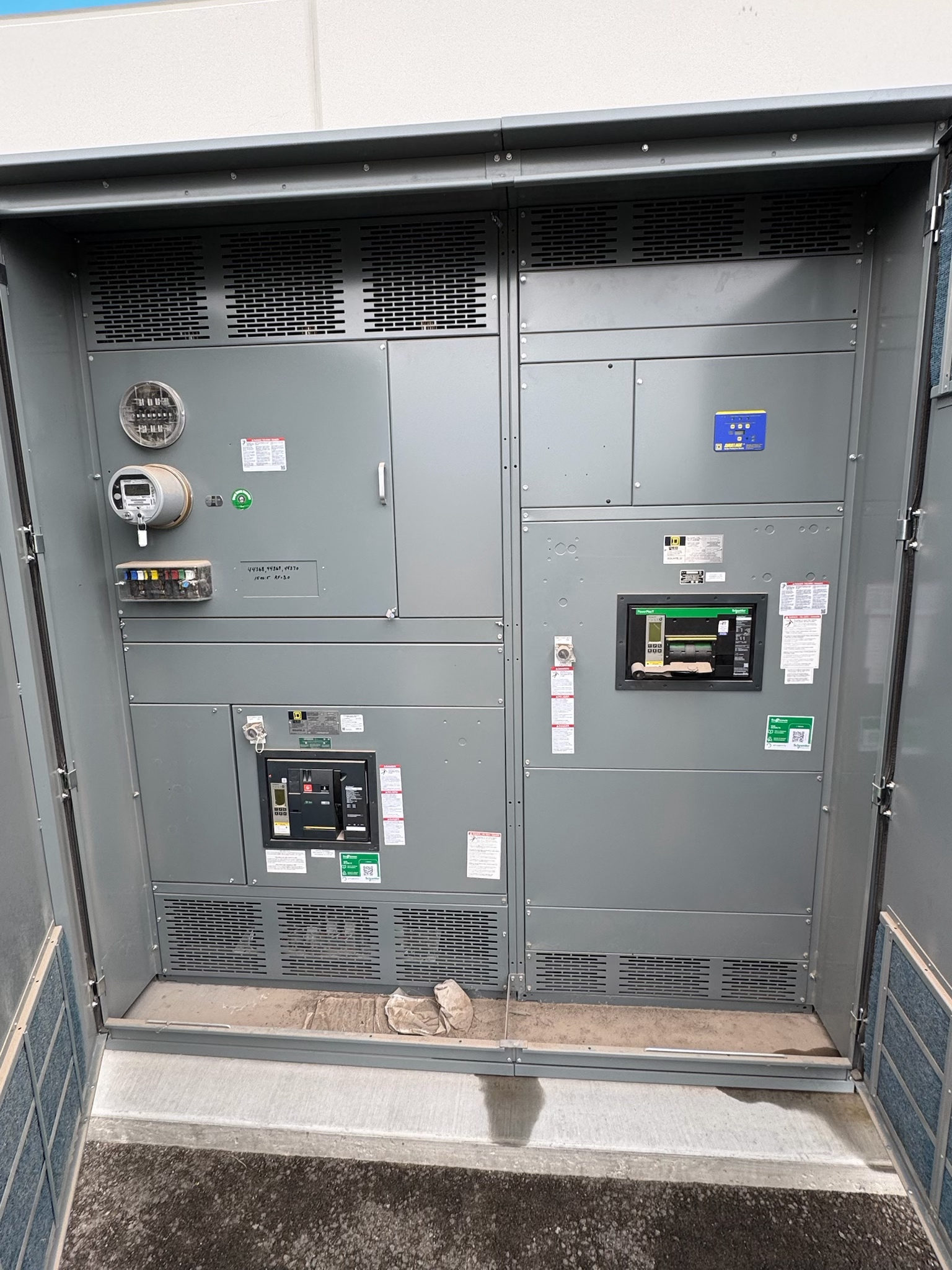
What does switchgear do, and when is it needed?
Switchgear is an assembly of electrical equipment used to control, protect, and isolate parts of a power system. The term can refer to different equipment depending on voltage class, function, and project usage; it should not be treated as a single standard configuration. For a new facility, expansion, or system replacement, the first question is what the assembly must connect and control—not simply what product name appears on an early equipment list.
The application may call for a switchboard, low-voltage switchgear, or medium-voltage equipment, among other arrangements. Those categories are not interchangeable, and their applicable standards and construction requirements differ. A qualified electrical professional should identify the system function, operating environment, and governing project documents before equipment is specified. That context helps establish a suitable scope for new switchgear and avoids assumptions based only on a general label.
Which electrical ratings must be specified?
A complete specification should identify the system voltage, phase and frequency, continuous current requirements, and required short-circuit performance, as applicable to the equipment type. These values must come from the project’s electrical design and system information; they are not universal product capabilities. In particular, available fault current and protective-device coordination affect equipment selection and must be evaluated by qualified professionals using current project data.
Also confirm the grounding arrangement, number and function of incoming and outgoing circuits, metering or control needs, and any required operating sequence. Drawings, one-line diagrams, equipment schedules, and written specifications should agree. If information is preliminary or conflicting, record the open items for the design team rather than guessing. Ratings and construction should be reviewed against applicable standards and requirements of relevant authorities for the actual installation.
How are custom assemblies and enclosures chosen?
The assembly should reflect the site and system, including the intended indoor or outdoor location, available space, access for operation and maintenance, cable entry, and connection requirements. Enclosure selection depends on exposure and installation conditions; no enclosure type should be assumed appropriate without project review. Similarly, bus arrangement, compartmentation, instrument provisions, and protective-device choices should follow the design intent and applicable specifications.
Custom assemblies can be developed to project requirements, but customization does not remove the need to verify ratings, interfaces, clearances, and compliance. Provide current drawings and identify constraints such as room dimensions, access paths, and adjacent equipment. Where a suitable switchboard assembly is specified, UL 891 may apply; it does not automatically apply to every switchgear product or to medium- or high-voltage equipment. Confirm the applicable standard and listing requirements for the particular design.
What coordination and testing should be addressed?
Procurement documents should define who is responsible for confirming interfaces among the assembly, protective devices, control wiring, metering, and connected systems. Review the one-line diagram, elevations, connection details, and control requirements before release for manufacture. Changes to connected loads or system data can affect equipment selection, so the design team should assess revisions and document approved updates rather than relying on an earlier drawing set.
Ask what design reviews and factory checks are included in the project scope, what records will be provided, and which tests or inspections are required by the specification and applicable standards. Factory testing is not a substitute for a qualified professional’s review of the installation or for required field procedures. Testing scope varies by equipment and project. Do not operate or service energized equipment as part of an informal acceptance check; follow approved safety procedures and qualified personnel’s direction.
What should I provide to request new switchgear?
For a useful quotation, provide the equipment specification, one-line diagram, relevant schedules, and known site constraints. Include the requested equipment category and scope, required ratings from the design documents, circuit and device details, control or metering needs, and applicable standards or listing requirements. Identify which items are final and which remain under engineering review. This gives the manufacturer a basis to identify questions and develop an assembly to specification without inventing missing technical values.
Also state the project location, requested ship-to point, target schedule, and any coordination milestones that affect procurement. For a Central Texas project, confirm who will coordinate delivery access and receive the equipment; do not assume a particular site arrangement. Lead time depends on project scope and confirmed requirements. The US manufacturer uses all-American components and can ship nationwide, but schedule and logistics should be confirmed for the specific order.
How should a project team move from inquiry to order?
Start by assigning a qualified electrical professional to reconcile the design documents and resolve uncertainties about system data, applicable standards, and authority requirements. Send the current document set for review, then track clarifications and revisions so the quotation and eventual order reference the same scope. Confirm exceptions, included components, requested documentation, and any owner or engineer review points in writing before authorizing production.
Before release, check that approved drawings match the project’s latest requirements and that delivery timing is coordinated with the site’s readiness and receiving arrangements. If the design changes after approval, assess the effect on configuration, ratings, and schedule with the responsible professionals and manufacturer. This practical review helps keep procurement decisions tied to documented project needs. No general FAQ can establish that a particular assembly is suitable; that determination belongs to the qualified design team and relevant authorities.
Project specification checklist
Use this checklist to organize the details for a project-specific review. Final ratings, applicable standards and equipment selections depend on the approved design.
| Item | What to confirm |
|---|---|
| System data | Confirm voltage, phase, frequency, grounding, and available fault-current information from project documentation. |
| Equipment scope | Identify the equipment category, circuit functions, protective devices, metering, and control requirements. |
| Site conditions | Document installation location, environmental exposure, space, access, and connection constraints. |
| Standards and approvals | Confirm applicable standards, listing requirements, and authority requirements for the specific design. |
| Schedule and logistics | Provide target milestones, ship-to location, receiving constraints, and delivery coordination needs. |