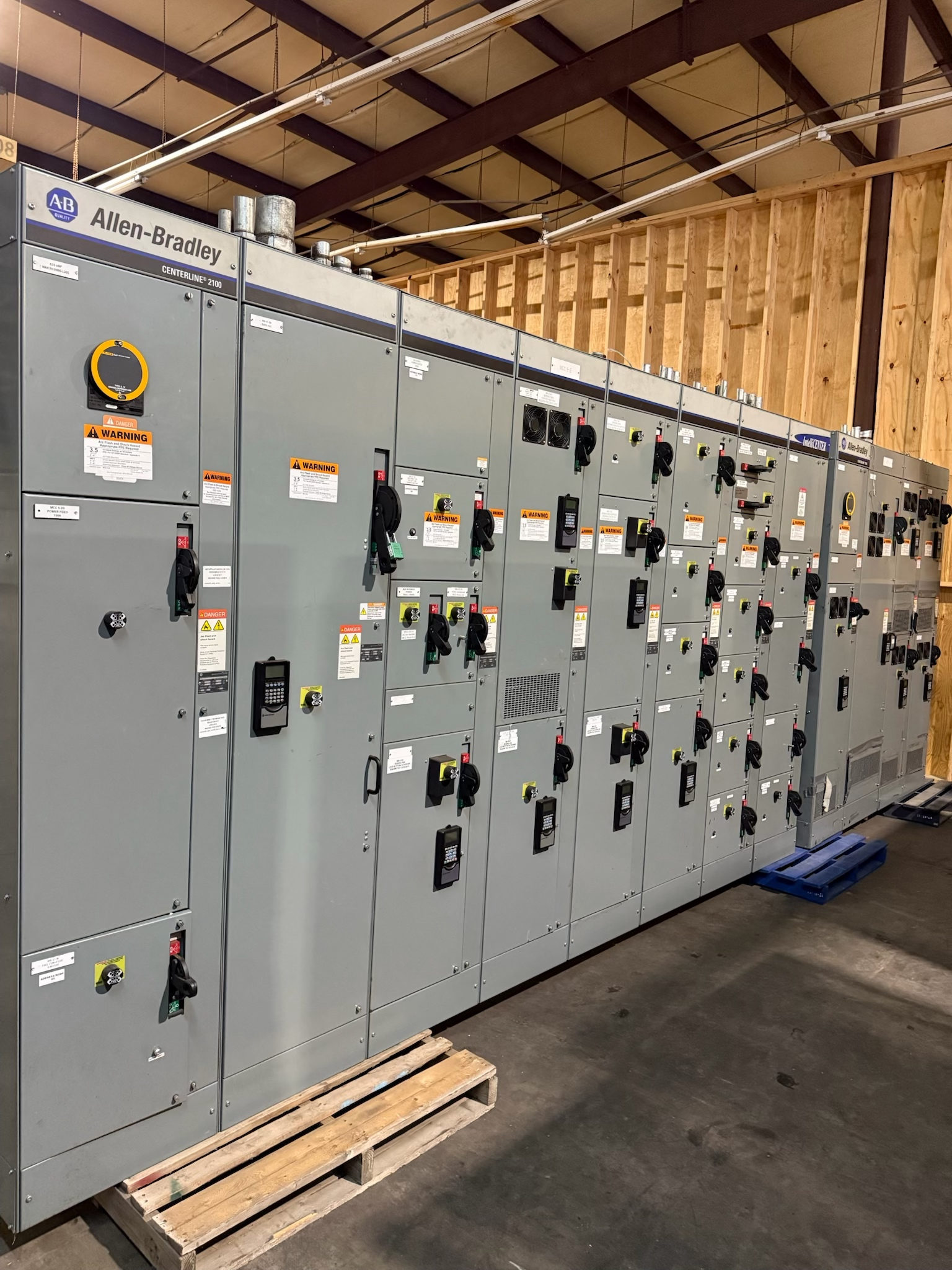
Plan a Central Texas Switchgear Project
For facilities in Austin and across Central Texas, a new switchgear project starts with the electrical system it must serve—not a generic regional package. A replacement, capacity change, new building, or equipment upgrade can each bring different operating, space, and coordination needs. Early review helps establish whether the project calls for switchboards, low-voltage switchgear, medium-voltage equipment, or another assembly, and clarifies how it fits into the facility’s distribution plan.
The service area is a practical coordination context, not a claim of a local office, inventory, or field-service coverage. Customers can begin by sharing the project location, one-line diagram if available, equipment purpose, and schedule constraints. Those details support an initial discussion of scope and identify what must be confirmed by the customer’s electrical engineer, installer, utility, or other project authority before equipment design proceeds.
Define the Electrical Application Before Selecting Equipment
Equipment selection depends on the system and its intended use. Relevant inputs may include system voltage, continuous load, available fault current, source and feeder arrangement, switching functions, and whether the assembly will serve normal, emergency, or other distribution needs. These values are project-specific; no amperage, interrupting or short-circuit rating, or configuration should be assumed suitable simply because it is common in the region.
A qualified electrical professional should verify system studies and design requirements, including applicable codes and standards. The project team should also identify operating conditions such as indoor or outdoor placement, environmental exposure, access restrictions, and maintenance clearances. Confirming these constraints early can prevent a design that meets an electrical requirement but cannot be integrated into the building or handled through the planned installation route.
Shape a Custom Assembly Around the Site
Central Texas projects vary in building use, expansion plans, and available electrical-room space. Custom assemblies can be developed to specification, with design decisions informed by the one-line diagram, lineup arrangement, cable entry and exit needs, metering or control requirements, and the interfaces to existing equipment. A planned replacement may need particularly careful dimensional and connection review so the proposed equipment matches the approved project design and site constraints.
Provide drawings, equipment schedules, and known interface information as early as practical. If existing documentation is incomplete, flag that limitation rather than relying on assumptions about field dimensions or connections. The responsible design team should determine which measurements, studies, and approvals are still needed. Final configuration, component selection, enclosure construction, and ratings remain subject to engineering review and the requirements of the specific application.
Coordinate Design Review and Applicable Standards
A clear review process connects the equipment design to the broader project. Coordinate submittal expectations, drawing review, open technical questions, required revisions, and the responsibilities of the owner, engineer, contractor, and other relevant parties. Confirm who will review protection and control details, connection interfaces, and any site-specific requirements. This is especially important when new equipment must work with existing distribution or a separately designed system.
Applicable standards depend on equipment type and design. UL 891 applies to suitable switchboard assemblies; it is not an automatic designation for every switchgear product, nor does it apply universally to medium- or high-voltage equipment. Where a UL 891 assembly is appropriate, confirm the intended construction and project requirements during review. Do not infer a listing or approval from a product category alone; the final basis should be documented for the specific assembly.
Align Procurement, Testing, and Delivery
Procurement planning should follow the approved scope rather than a presumed stock configuration. Discuss the project schedule, submittal and approval milestones, required documentation, and any constraints on shipment or receipt. Lead times are determined by project details, design decisions, and the review process; a schedule should be confirmed for the actual scope instead of relying on a general promise. The manufacturer builds in the USA using all-American components and can ship nationwide, including to Central Texas destinations.
Before release, confirm what factory testing, inspection records, and documentation are specified for the assembly. Testing scope should be agreed for the design and contract requirements, with results reviewed by the appropriate project professionals. Separately establish how shipment timing will coordinate with site readiness, unloading arrangements, access, and the installation team. Delivery planning does not itself establish installation or field-service coverage, which should be addressed directly among project participants.
Practical Next Steps for Austin and Central Texas Customers
To start a new switchgear inquiry, assemble the project location, application, current one-line diagram, available fault-current or study information, equipment schedule, and target dates. Add room or lineup constraints, cable-entry preferences, requested functions, and any required standards or submittal format. If a document or value is pending, identify who will provide it and when. A concise list of open questions is more useful than treating unverified assumptions as final requirements.
The next step is a scope review with the manufacturer and the project’s qualified electrical professionals. Confirm equipment category, design responsibilities, required approvals, applicable standards, documentation, testing expectations, and a project-specific lead-time plan. For customers coordinating work across Austin and Central Texas, also identify the receiving location and who will manage shipment and site access. These decisions create a practical path from initial requirements to a reviewed design and planned delivery.
Project specification checklist
Use this checklist to organize the details for a project-specific review. Final ratings, applicable standards and equipment selections depend on the approved design.
| Item | What to confirm |
|---|---|
| Project location | Confirm the Central Texas destination, receiving contact, shipment access, and site readiness plan. |
| System requirements | Provide verified voltage, load, fault-current information, and system configuration for engineering review. |
| Equipment scope | Identify the application, equipment category, lineup constraints, interfaces, and requested functions. |
| Standards and approvals | Confirm applicable standards, required assembly documentation, and review responsibilities for the project. |
| Schedule and testing | Agree on submittal milestones, project-specific lead time, specified testing, and shipment coordination. |