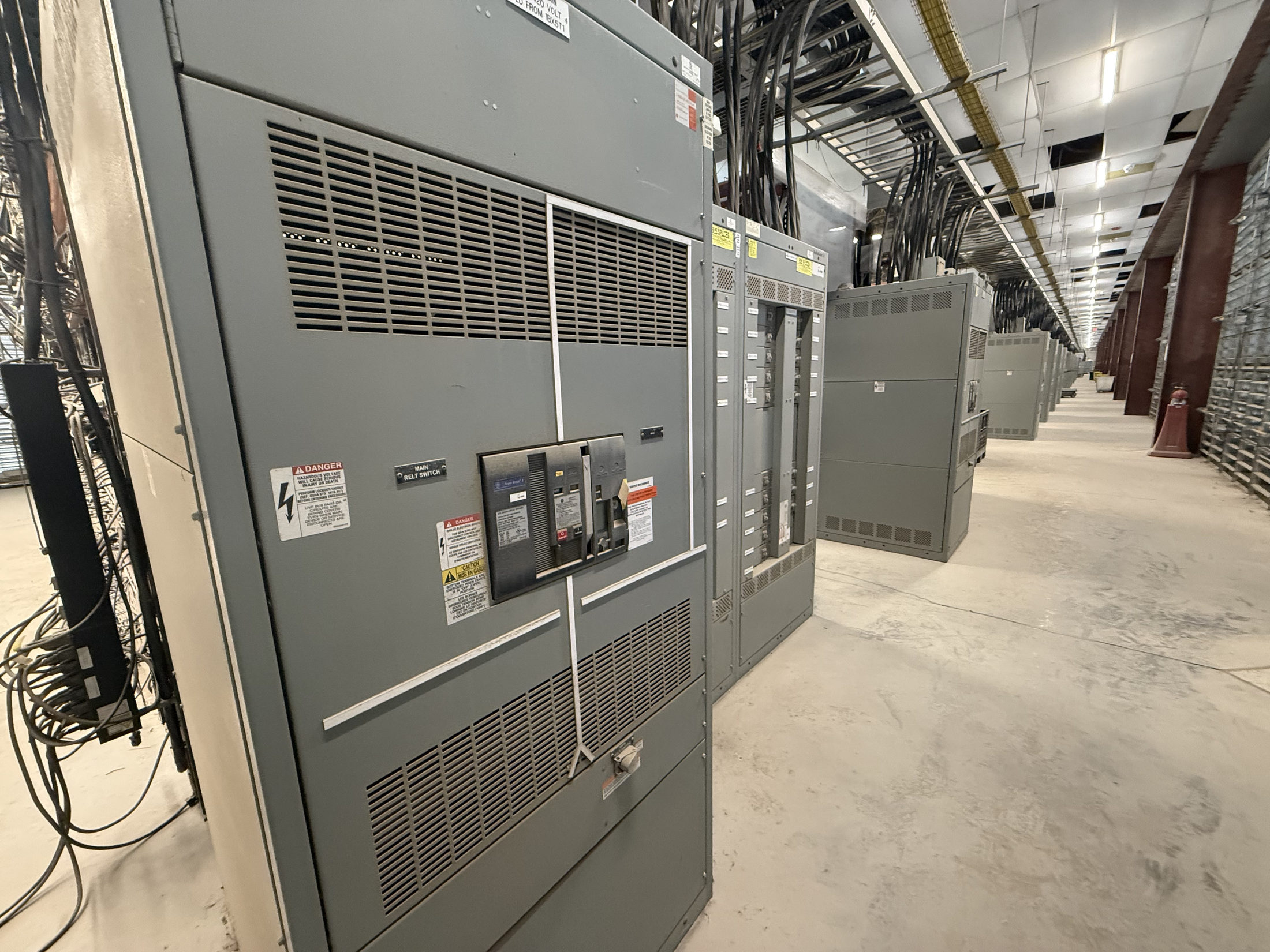
New Switchgear for Austin-Area Projects
For an Austin-area project, selecting new switchgear begins with the electrical system it must serve—not with a catalog rating. Commercial facilities, industrial sites, and data centers can have different load profiles, source arrangements, operating priorities, and space constraints. A useful inquiry explains whether the equipment is part of a new build, a capacity addition, or a planned replacement, and identifies the point in the distribution system where it will connect. Those details help determine what equipment type and assembly arrangement merit review.
Share the project location and schedule needs for coordination, while recognizing that location does not imply a local office, stocked equipment, or guaranteed site service. The manufacturer builds in the USA with all-American components and can ship nationwide. Lead time depends on the project. Early discussion of drawings, specifications, and decision dates gives the design team and manufacturer a practical basis for evaluating scope and procurement.
Define the Distribution Role and Sources
Describe what the switchgear must connect and control: incoming sources, distribution sections, major feeders, and the downstream loads or equipment served. For a data center, explain whether the design uses utility service, generators, alternate sources, or other arrangements, and identify how the intended operating modes affect the one-line diagram. Source redundancy is a system-design objective; it should not be reduced to a promise that any particular lineup will provide uninterrupted power.
Clarify which sources may operate together, which are alternate, and what interlocking, transfer, or isolation functions the design team expects. Provide the current one-line diagram and relevant sequence-of-operation documents when available. Qualified electrical professionals must review protection, coordination, fault-duty, and operating requirements. The manufacturer can use defined requirements to develop a suitable assembly proposal, but final selection depends on project conditions and applicable codes, standards, and authority review.
Ratings, Environment, and Installation Constraints
A quote inquiry should identify the system voltage and frequency, required continuous current, available fault current or short-circuit duty, and protective-device requirements as established by the project engineer. These values are not interchangeable or universally acceptable. They must be verified for the specific installation, including the upstream source and protective-device coordination. Equipment type, construction, and applicable standards depend on the design; UL 891 applies to suitable switchboard assemblies and does not automatically apply to every switchgear product.
Describe the intended indoor or outdoor location, environmental exposure, access and working clearances, cable entry direction, conductor requirements, and any room or lineup limits. Include architectural or electrical-room drawings if available. Confirm dimensions and handling constraints with the project team rather than assuming a standard enclosure or arrangement will fit. The final design must address applicable codes and standards and be reviewed by qualified electrical professionals and relevant authorities.
Data Center Metering and Future Expansion
Data center inquiries benefit from a clear metering plan. Identify which sources, mains, ties, or feeders require measurement, what values and alarms operators need, and whether data must interface with a monitoring or control system. State any communication or integration requirements, including who will define protocols and verify compatibility. Metering scope affects instrument selection, wiring, drawings, and coordination, so early definition helps avoid treating monitoring as an afterthought.
For planned expansion, distinguish initial installed capacity from future provisions. Identify sections or feeder positions that may be needed later, expected connection points, and any phasing constraints. Expansion provisions must be engineered around the initial and future system configuration; spare space alone does not establish that additional load can be served. Provide the anticipated build-out plan and ask the design team to confirm impacts on ratings, protection, room layout, and operating procedures before those assumptions shape a quote.
Drawings, Testing, and Project Coordination
A more complete quote package can include the electrical specification, one-line diagram, load and feeder schedules, equipment layout, control requirements, and applicable notes or addenda. Identify which documents are preliminary and which govern the design. Also describe requested submittals, review milestones, and any project-specific inspection or testing requirements. These inputs help define a custom assembly to specification and surface open questions before fabrication details are settled.
Discuss what design review and testing documentation the project requires, and confirm the scope with the manufacturer and project engineer. Do not assume a particular test, certification, or listing applies without verifying the assembly and specification. UL 891 may be relevant for suitable switchboards, while other equipment follows its applicable requirements. Coordination among the electrical engineer, contractor, equipment supplier, and relevant authorities helps align drawings, interfaces, and acceptance expectations; all final decisions require qualified review.
Prepare an Austin Switchgear Quote Request
To start a new switchgear inquiry from Austin or elsewhere in Central Texas, send the project name or reference, delivery location, requested decision and delivery dates, equipment role, and current design documents. Include known source and load information, required ratings, metering points, expansion objectives, physical constraints, and applicable specifications. If details are unresolved, label them as open items rather than guessing. A concise list of assumptions and questions makes it easier to identify what must be clarified before pricing and design can proceed.
Ask for review of the proposed scope, required submittals, design responsibilities, and project-dependent lead-time expectations. Confirm shipping and receiving constraints with the site and project team, including access, unloading coordination, and the intended installation sequence; do not assume site services are included. The manufacturer can build custom assemblies to specification and ship nationwide. Final equipment selection, ratings, and compliance remain subject to project-specific engineering review and approval by the appropriate professionals and authorities.
Project specification checklist
Use this checklist to organize the details for a project-specific review. Final ratings, applicable standards and equipment selections depend on the approved design.
| Item | What to confirm |
|---|---|
| System and equipment role | Confirm voltage, frequency, distribution position, incoming sources, and downstream loads from project documents. |
| Electrical ratings | Have qualified professionals establish continuous-current, fault-duty, and protective-device requirements for the installation. |
| Redundancy and controls | Document source operating modes, transfer or interlocking expectations, and required control interfaces. |
| Metering and monitoring | Identify measurement points, desired readings or alarms, and communications requirements for data center systems. |
| Expansion and layout | Describe phasing, future feeder needs, room dimensions, access, cable entry, and environmental conditions. |
| Quote and delivery coordination | Provide current drawings, governing specifications, review milestones, delivery location, and receiving constraints. |