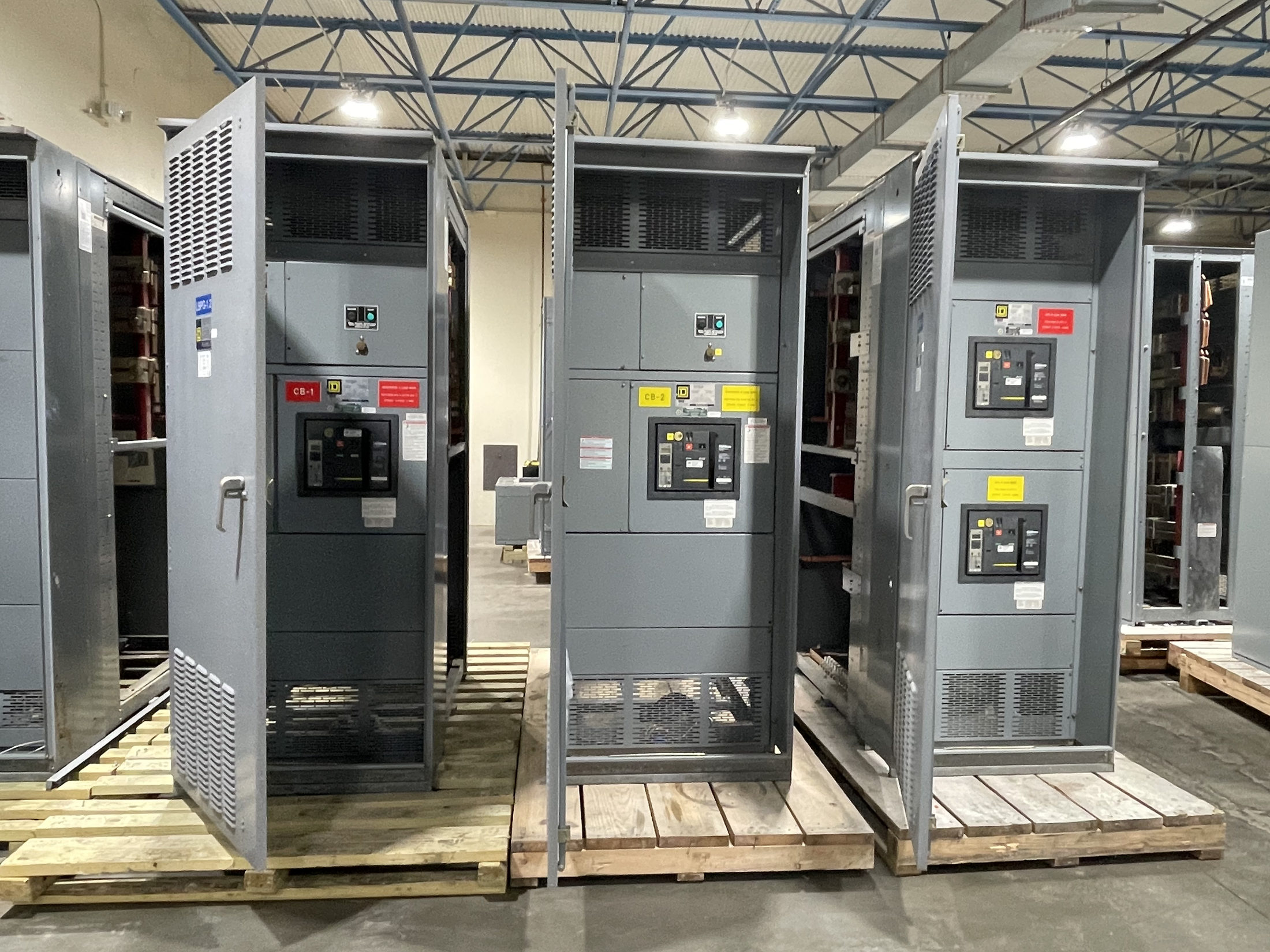
Planning New Switchgear for a Leander Project
For a Leander facility, new switchgear planning begins with the electrical service and the work the equipment must support—not a catalog label alone. A service entrance inquiry may include the service disconnect, metering provisions, grounding and bonding, and the distribution equipment downstream. The right arrangement depends on the serving utility’s requirements, the building design, the connected loads, and the project’s applicable codes. Sharing these details early helps frame an accurate equipment review and quote. Central Texas projects can also involve coordination among the owner, electrical engineer, contractor, utility, and equipment manufacturer; responsibilities and approval steps should be clear before the design is finalized.
Describe whether the request is for a new installation, replacement, or expansion, and identify the equipment boundary included in the inquiry. If the scope is not settled, explain what is known and what remains open. This gives qualified project professionals a practical starting point without assuming a particular service configuration or rating is suitable.
Describe the Service Entrance Scope
Service entrance equipment requires careful definition because service, disconnect, metering, and grounding provisions are related but not interchangeable. State whether the requested assembly is intended to receive the utility service, distribute power to loads, or serve another defined point in the system. Include available one-line diagrams, utility correspondence, electrical schedules, and project specifications when they exist. Note whether metering equipment is specified by the utility or engineer, and identify any required compartments or interfaces for review rather than treating a standard layout as approved.
Grounding and bonding details should follow the project design and applicable requirements. Clarify which components are included in the requested assembly and which are supplied or installed by others. Utility requirements and authority review can affect the arrangement, so they should be confirmed by the project team. A quote inquiry can flag unresolved items, but it cannot replace engineering review or utility acceptance.
Provide Electrical Data for Selection
Useful selection information includes the system voltage and configuration, expected load, feeder count and sizes, source details, and the intended method of connection. Provide the available fault-current information and the protective-device coordination requirements when established by the engineer. Any requested ampacity, short-circuit rating, enclosure type, or environmental feature must be checked against the actual application; none should be assumed appropriate from a general description. If a value is pending, identify it as pending and indicate who will confirm it.
Also explain the location and operating conditions that shape the assembly: indoor or outdoor placement, available space, access for maintenance, cable entry direction, and environmental exposure. These constraints influence design and should be verified against drawings and site conditions by qualified professionals. Equipment type and ratings determine which standards apply. UL 891 applies to suitable switchboard assemblies; it should not be presumed to apply to every switchgear design or service configuration.
Set Project-Specific Design Choices
A custom assembly can be developed to a project specification, with choices such as section arrangement, main and feeder provisions, metering interfaces, control features, and connection layout reviewed for the intended system. Identify required manufacturer or component preferences only when they are stated in the project documents, and distinguish mandatory requirements from preferences. Include dimensional limits, room access constraints, and the relationship to adjacent equipment. Drawings and schedules help reveal interface issues that a short equipment description may not capture.
For Leander-area work, coordinate design decisions with the electrical engineer, contractor, utility, and relevant authorities as applicable. Confirm who owns each approval and when final service information will be available. A proposed configuration should remain subject to specification review; changing a device, layout, or rating can affect coordination, fit, and compliance. The manufacturer builds in the USA using all-American components and can develop custom assemblies to specification, subject to review of the requested design.
Coordinate Review, Testing, and Procurement
Before procurement, reconcile the quote scope with the latest one-line diagram, equipment schedules, specifications, and utility requirements. Resolve discrepancies in ratings, metering, grounding, connections, dimensions, and included accessories rather than relying on assumptions. Identify required submittals and review milestones, and confirm who will check the design and approve drawings. Testing and documentation should be defined for the particular assembly and project; applicable requirements depend on the design and governing standards. Qualified electrical professionals and relevant authorities must review the final arrangement.
Lead time is determined by project requirements and design status, so provide the needed in-service date as a planning target, not a guaranteed delivery date. Note whether drawings, utility decisions, or other approvals remain outstanding. The manufacturer can ship nationwide, while transportation, receiving access, delivery coordination, and the project’s installation responsibilities should be discussed for the Leander site. No local office, stock, or site service should be assumed from an area inquiry.
Prepare a Clear Quote Request
To start a useful Leander switchgear inquiry, send the project location, equipment purpose, requested scope, current one-line diagram, relevant specifications, and available electrical data. Include the utility’s service and metering requirements if received, plus known grounding details, space limits, cable entry preferences, and schedule milestones. Mark unknown information clearly and name the project contact responsible for confirming it. This makes it easier to identify what can be quoted and what requires clarification before design or pricing can proceed.
Ask the manufacturer to identify assumptions, exclusions, required engineering inputs, and the standards considered for the proposed assembly. Compare the response with the project documents and route open technical questions to the engineer and other responsible reviewers. A complete inquiry is not a substitute for site verification, code review, utility coordination, or approval by authorities. It is a concrete way to move from a general request for new switchgear to a defined, reviewable equipment scope.
Project specification checklist
Use this checklist to organize the details for a project-specific review. Final ratings, applicable standards and equipment selections depend on the approved design.
| Item | What to confirm |
|---|---|
| Project and scope | Confirm Leander project location, equipment purpose, and whether the inquiry covers service entrance, distribution, or both. |
| System data | Provide system voltage and configuration, load information, source details, and available fault-current data; identify pending values. |
| Service entrance interfaces | Clarify disconnect, metering, grounding and bonding provisions, utility requirements, and responsibility for each interface. |
| Physical requirements | Confirm indoor or outdoor placement, space limits, access, cable entry, and relevant environmental conditions. |
| Standards and review | Identify specified standards and required submittals; verify suitability, ratings, and approvals with qualified professionals and authorities. |
| Schedule and delivery | Share target milestones, outstanding approvals, receiving constraints, and delivery coordination needs; lead time depends on project review. |