What Factory Testing Can Establish
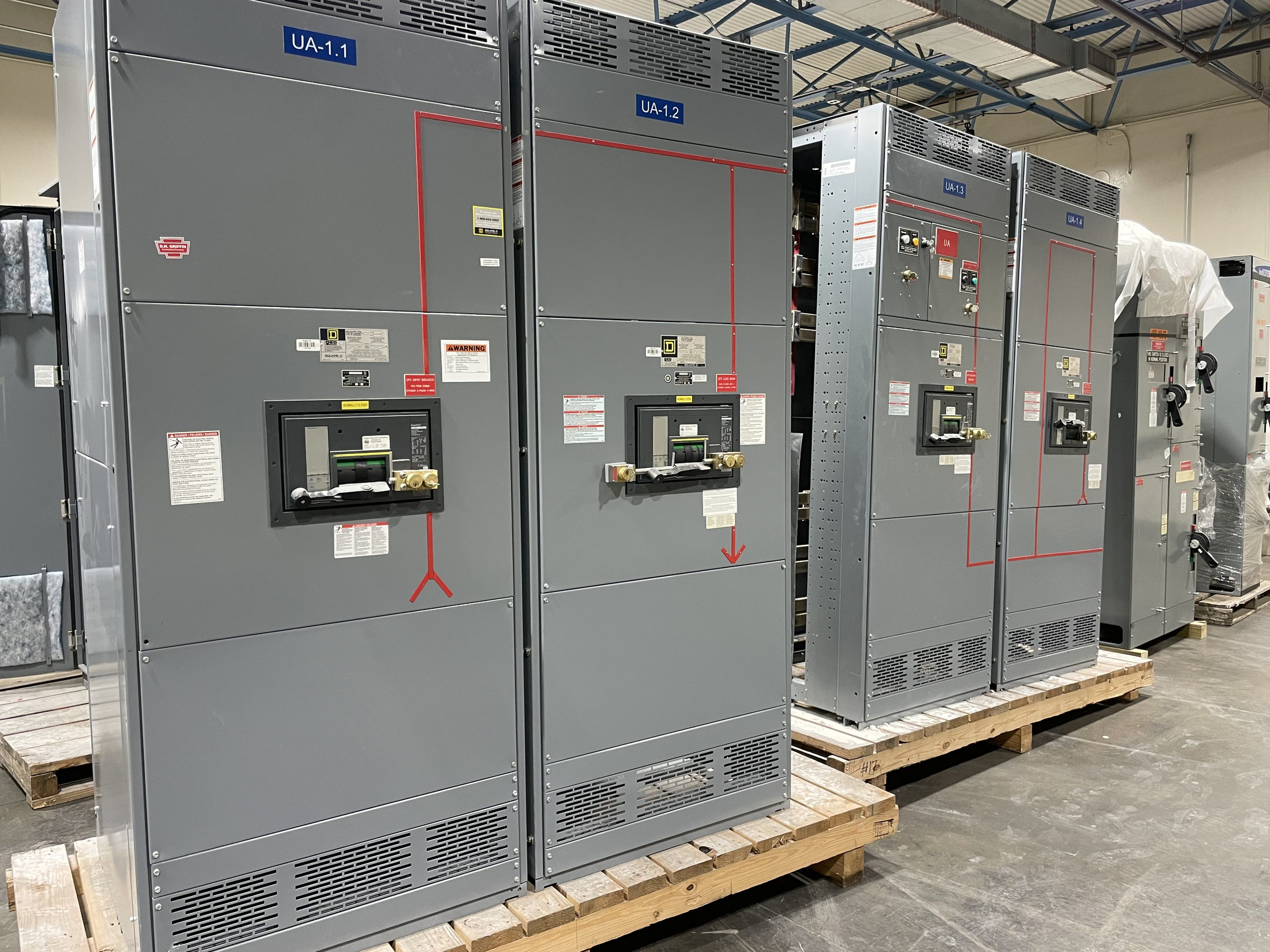
Switchgear testing and inspection help confirm that newly manufactured equipment matches its approved design and specified construction before shipment. For a Central Texas project, the factory test plan should be based on the equipment type, project documents, and applicable standards—not on a generic checklist. Inspection can address workmanship, labeling, component installation, and assembly details, while electrical tests may verify selected functions or characteristics defined for that design. These checks provide evidence about the equipment at the time of manufacture; they do not replace site acceptance, commissioning, or verification of field wiring and installation.
Start by identifying the equipment scope and the decisions the test record must support. A switchboard, low-voltage switchgear assembly, and medium-voltage equipment can have different construction requirements and test methods. UL 891 applies to suitable switchboard assemblies only; it is not a blanket designation for every kind of switchgear. The project team should establish which standards and inspection requirements apply with qualified electrical professionals and relevant authorities.
Set Acceptance Criteria Before Release
The useful time to define factory acceptance criteria is before drawings and manufacturing are released. Identify the governing one-line diagram and specifications, required documents, inspection hold points, witness expectations, and how discrepancies will be recorded and resolved. Decide whether the customer needs a test report, marked-up records, or other project documentation, and who will review and accept it. Clear criteria keep a factory test focused on verifiable requirements rather than informal preferences raised after assembly.
Acceptance criteria should distinguish design verification from routine production checks and any optional project tests. State which functions must be demonstrated, which settings or values must be checked against approved documents, and what constitutes a nonconformance. Do not treat a standard test procedure or a prior project's results as automatically appropriate. Confirm that the planned methods suit the equipment and do not exceed its design limits. Where a requirement is unclear, resolve it with the manufacturer and responsible engineering parties before the test.
Choose Tests for the Equipment and Risk
Test selection depends on the assembly's design, voltage class, protective devices, control scheme, and the consequences of a defect. A project may call for visual and mechanical inspection, wiring checks, functional operation of specified devices, or electrical tests identified in its specification. The scope should say what is tested, how the result is evaluated, and what records are retained. No single list fits every assembly, and an inspection item should not be presented as proof of performance beyond what the method actually verifies.
Before specifying dielectric, insulation, primary-injection, secondary-injection, or other specialized tests, confirm applicability with qualified professionals and the equipment manufacturer. Test levels, connections, sequence, and acceptance limits require design-specific review; they are not universal values. Some tests may require configuration or precautions that affect other components. The team should also define how instruments are identified and how results are documented, where those details are required by the project. This prevents an unsuitable test from being treated as a routine checkbox.
Inspect Construction Against Approved Drawings
A disciplined inspection compares the completed assembly with the approved submittals and purchase requirements. Useful checkpoints can include section arrangement, device identification, labels, terminal markings, bus and grounding details, barriers, wiring routing, and access provisions, as applicable to the design. Review ratings and component selections against the approved documents rather than assuming that a familiar lineup or catalog description establishes suitability. Any requested change should be evaluated for its effect on the electrical design, coordination, clearances, and governing requirements before it is accepted.
For custom assemblies, document the configuration that is actually being tested, including relevant drawing revisions and device settings. This gives reviewers a traceable basis for comparing observations and test results with the intended build. Resolve drawing conflicts before inspection where possible; an inspector cannot decide which of two inconsistent requirements governs. If a discrepancy is found, record its location and disposition, and confirm whether corrected work requires repeat inspection or testing under the agreed acceptance plan.
Coordinate Witnessing and Test Records
Witness testing can be useful when the project requires direct observation of specified checks, but it needs advance coordination. Confirm the test scope, attendee roles, access requirements, schedule window, and procedure for documenting comments. The customer, manufacturer, engineering team, and any designated inspector should agree who can accept a result and who can authorize a deviation. A witness visit does not itself establish regulatory approval or replace required inspections by authorities having jurisdiction.
Ask that records identify the assembly or section tested, applicable drawing revision, tests performed, results, and any exceptions or corrective actions, as required by the contract. Confirm the format and review path before testing so documentation is usable for project closeout. If a test is omitted, fails, or must be repeated, agree how the event and final disposition will appear in the record. For remote review, determine beforehand which photographs, video, or documents are suitable; do not assume remote observation satisfies a specified witness requirement.
Connect Factory Results to Site Readiness
Factory test results describe checks performed on the manufactured equipment under the documented conditions. They do not verify shipping condition, site storage, installation, field terminations, protective-device coordination, or operation as part of the complete electrical system. Plan separate project steps for receiving inspection, installation checks, field testing, and commissioning, as appropriate to the design and contract. Qualified personnel should establish those procedures and coordinate them with equipment instructions, project safety requirements, and applicable authorities.
This distinction matters for Central Texas projects where the new equipment may be delivered to a site managed by separate contractors and consultants. Coordinate approved drawings, shipment milestones, receiving access, and the handoff of factory records with the project schedule. Confirm who checks for transit damage and who resolves questions about site conditions. Factory acceptance can reduce uncertainty about the manufactured assembly, but it cannot guarantee that site conditions or subsequent work preserve the tested configuration.
Prepare a Scope That Can Be Reviewed
To move a new switchgear project toward a clear test plan, assemble the one-line diagram, equipment specification, approved submittals, required standards, and any owner or authority inspection criteria. Mark which items are mandatory, optional, or still unresolved. Then request a written description of proposed factory inspections and tests, applicable acceptance limits, witness arrangements, reporting, and the process for correcting discrepancies. Compare that scope with the project's schedule and documentation needs before approving manufacturing release.
Custom assemblies can be built to project specifications, and suitable switchboard assemblies may be offered to UL 891 requirements; applicability must be confirmed for the particular design. The manufacturer builds in the USA using all-American components and can ship nationwide, while lead time depends on project scope and review. For the next discussion, identify equipment type, system requirements, desired test evidence, and decision-makers. Detailed topic pages can then address relevant inspection, testing, and documentation questions without implying that one procedure applies to every project.
Project specification checklist
Use this checklist to organize the details for a project-specific review. Final ratings, applicable standards and equipment selections depend on the approved design.
| Item | What to confirm |
|---|---|
| Equipment scope | Confirm assembly type, voltage class, configuration, and which sections or devices are included in testing. |
| Applicable requirements | Identify project specifications, relevant standards, and authority requirements; verify applicability to the specific design. |
| Acceptance criteria | Define required checks, test methods, limits, documentation, and disposition of discrepancies before manufacturing release. |
| Witness coordination | Agree on hold points, attendees, schedule, review authority, and whether remote observation is acceptable. |
| Records and handoff | Confirm test report contents and how factory results will be provided for receiving, field testing, and commissioning. |