When a Series-Rated Combination May Apply
A series-rated device combination can be relevant when the available short-circuit current at a downstream protective device exceeds that device’s individual interrupting rating. The combination relies on a specific upstream protective device and downstream device being tested and documented together for the applicable conditions. It is not a general allowance to pair devices that appear similar, nor does a higher upstream rating alone establish an acceptable combination. For a project procuring new switchgear, the design team must determine whether a documented series-rated combination is permitted for the application and whether it satisfies governing codes, project specifications, and authority requirements.
Series-rating decisions affect the equipment schedule, protective-device selection, labels, and review package. They should be made during design and procurement rather than assumed after equipment has been selected. A qualified electrical professional should evaluate the installation and confirm applicable requirements.
Inputs Needed to Verify the Combination
Start with the available fault current at the switchgear line terminals and at relevant downstream locations, based on the project’s electrical system and utility or source data. Provide system voltage, grounding arrangement, transformer and source information, conductor details, and the intended protective-device functions where available. Identify the switchboard or switchgear configuration, feeder and branch device types, poles, frame or model identifiers, and any proposed accessories that affect the assembly. These inputs help reviewers distinguish the exact devices under consideration from products with a similar family name or appearance.
Also identify operating conditions that may affect selection, such as multiple sources, generator operation, alternate feeds, transfer equipment, or planned future additions. The responsible designer should establish which operating configurations must be evaluated. Incomplete or changing source data can invalidate an earlier fault-current assessment or combination selection.
What the Test Documentation Must Match
The documentation must support the actual upstream and downstream protective-device pairing under the relevant voltage and installation conditions. Review the manufacturer’s applicable test or listing documentation, including device identifiers, permitted arrangement, conditions of use, and any required restrictions. Confirm that the specified combination is supported for the equipment being furnished; a catalog family resemblance, interchangeable-looking device, or individual interrupting rating is not a substitute for documented evidence of the combination.
Check whether the documentation applies to the proposed enclosure or assembly configuration, including device mounting, bus arrangement, and any stated limitations. If the combination relies on a particular upstream device, its exact type and configuration must carry through the approved submittal and final equipment schedule. Where applicability is unclear, request clarification from the equipment manufacturer and design professional before release.
Coordinate Ratings, Protection, and Interfaces
A series rating addresses the short-circuit performance of a documented device combination; it does not, by itself, demonstrate selective coordination, arc-flash performance, or suitability for every operating condition. The design team should evaluate these objectives separately against project requirements. Review the upstream and downstream protective-device settings or characteristics, expected fault current, and any coordination requirements so that the selected pairing supports the intended protection scheme without overstating what its documentation establishes.
Confirm interfaces between the switchgear and connected equipment, including feeder destinations, conductor and termination requirements, grounding, control or interlock connections, and available space for the specified devices. These details can affect the final assembly and the validity of the selected combination. Applicable standards and product certifications depend on the equipment design and project; UL 891 applies to suitable switchboards, not automatically to every switchgear product or series-rated pairing.
Document Decisions Through Procurement
For a clear equipment quotation and submittal review, provide the one-line diagram, equipment schedule, fault-current study or source data, required protective-device details, and applicable specifications. Identify which upstream and downstream devices are intended to form the series-rated combination, where they are located, and the operating scenarios the design must cover. Flag required coordination, labeling, documentation, and any project-specific restrictions. This gives the manufacturer a defined basis to review the proposed new switchgear rather than infer a rating or capability from an incomplete description.
Before approval, compare submitted device identifiers and combination documentation with the design documents. Resolve substitutions or revisions with the engineer of record and relevant authorities, then carry approved selections into procurement records and field installation documents. Changes to sources, devices, or system configuration require review because they may affect the original assessment.
Practical Review Before Equipment Release
Use a short, traceable review before releasing the equipment design: confirm the calculated fault-current values and their locations; verify the exact device pairing and applicable documentation; check voltage and configuration conditions; and record the engineer’s disposition of coordination and code requirements. Ensure the equipment schedule, one-line diagram, submittal, and labels describe the same approved arrangement. If a required device is unavailable or a substitution is proposed, pause approval until the new combination is documented and reviewed rather than treating it as equivalent based on rating or appearance.
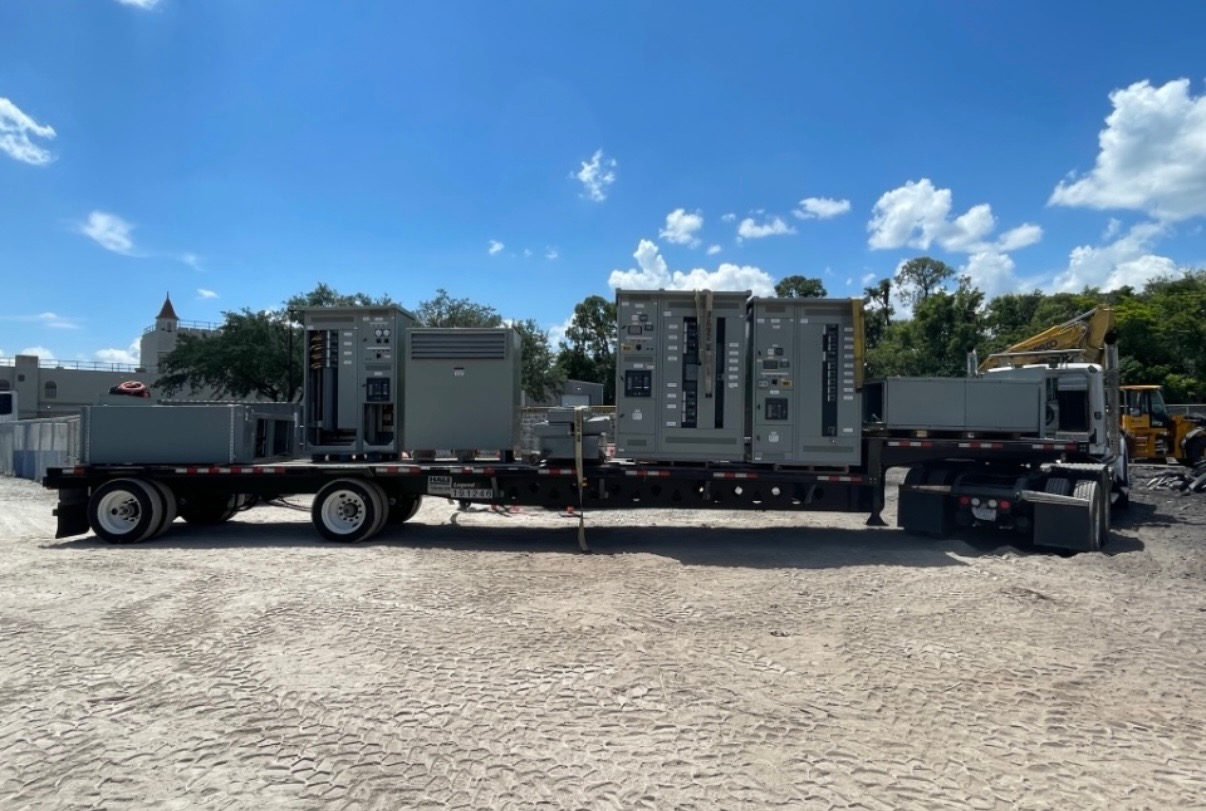
For custom assemblies built in the USA with all-American components, provide the complete project inputs early so the proposed configuration can be evaluated against the specification. Lead time depends on project requirements and design decisions. Before installation or energization, qualified professionals should verify that furnished equipment matches approved documents and that applicable authorities’ requirements have been addressed.
Project specification checklist
Use this checklist to organize the details for a project-specific review. Final ratings, applicable standards and equipment selections depend on the approved design.
| Item | What to confirm |
|---|---|
| Fault-current basis | Confirm available short-circuit current at relevant equipment locations and identify the source data and operating scenarios used. |
| Exact device pairing | Record upstream and downstream device identifiers and verify that documentation supports that specific combination. |
| Conditions of use | Check documented voltage, configuration, installation conditions, and any restrictions against the proposed assembly. |
| Protection objectives | Review short-circuit performance separately from selective coordination, arc-flash analysis, and other project requirements. |
| Submittal alignment | Reconcile the one-line diagram, equipment schedule, device selections, combination documentation, and required labels. |
| Design approval | Have qualified electrical professionals and relevant authorities review applicability, substitutions, and final project decisions. |