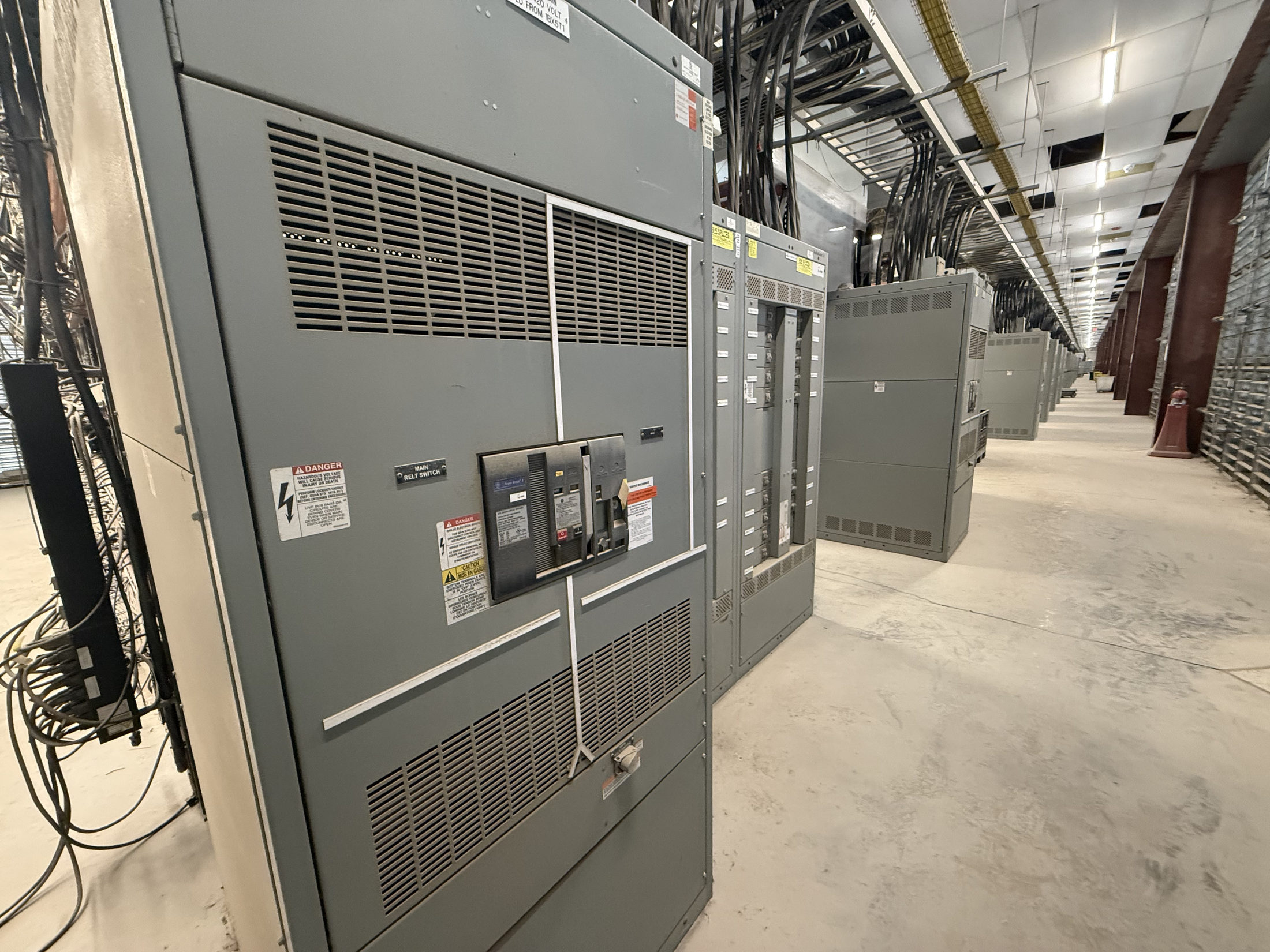
Start a Central Texas switchgear inquiry with the project context
If your facility in Austin or elsewhere in Central Texas needs new switchgear, begin by describing the project and the decision you need to make. An inquiry may concern a new building, an expansion, replacement equipment, or a change in electrical distribution. Include the facility type, project location, current phase, and the person coordinating electrical design or procurement. This context helps frame the equipment discussion without assuming a particular configuration.
Clarify whether you are seeking a complete assembly, a defined section of a system, or equipment to match an existing design. If the project has a consulting engineer, electrical contractor, owner representative, or other technical lead, identify their role and preferred point of contact. Early coordination can help keep questions about equipment scope, documentation, and timing with the people who can confirm them.
Share documents that establish the electrical requirements
Useful starting documents can include the one-line diagram, equipment schedules, written specifications, load information, and relevant drawings. Share the latest revisions and note whether they are issued for design, pricing, or construction. If some information is still being developed, identify it as preliminary rather than treating it as a final requirement. A clear document set makes it easier to identify missing decisions and avoid assumptions.
Include available details about the source and downstream distribution, intended use, installation environment, and any interfaces with existing equipment. Confirm who has authority to interpret or revise the project requirements. Ratings, construction, and applicable standards must be reviewed against the actual design by qualified electrical professionals and relevant authorities; a general inquiry cannot establish that a particular assembly is suitable.
Define the application before discussing equipment configuration
The right equipment depends on what the electrical system must do, not just the name of the facility or a preferred product label. Explain whether the scope is for service distribution, a main or branch distribution point, or another defined function. Identify loads and system relationships at the level documented by the project team, including any planned expansion or operating requirements that affect the design.
Switchboards, low-voltage switchgear, and medium-voltage equipment are not interchangeable terms for procurement purposes. Describe the intended equipment type if the engineer has established it, or ask for clarification if the project documents use conflicting terminology. Standards and certification requirements depend on the design and equipment category. UL 891 applies to suitable switchboard assemblies; it does not automatically apply to every switchgear product.
Identify ratings and site conditions for qualified review
Provide the project-specified voltage, current, short-circuit withstand or interrupting requirements, and system grounding information where available. Treat these as design inputs, not values to estimate from facility size or an existing label. The responsible engineer must verify coordination with the source, protective devices, connected equipment, and applicable codes. Any unresolved rating or standard should be recorded as an open item for review.
Describe physical conditions that could influence the assembly: indoor or outdoor placement, available footprint, access route, working clearances, ambient conditions, and environmental exposure. Confirm enclosure requirements and dimensions from project documents rather than assuming a standard arrangement will fit. Photographs or measured existing conditions may help explain constraints, but they do not replace verified drawings and field review by the project team.
Explain custom assembly and interface requirements
A project may need a custom assembly to meet its approved one-line, arrangement, or connection requirements. Point out specified bus configurations, incoming and outgoing connections, metering or control provisions, compartment or section arrangements, and required interfaces. Distinguish mandatory design criteria from preferences so technical reviewers can focus on what must be preserved and what may be considered as an alternative.
For replacement or expansion work, document the existing equipment identification and the intended boundary of the new scope. Include connection points, available space, and any shutdown or sequencing constraints known to the project team. Do not assume that a new assembly can match an existing footprint or connect directly based on photographs alone. The design needs review of drawings, dimensions, electrical characteristics, and field conditions.
Coordinate review, testing, and project timing
Before an order is finalized, align the equipment submittal process with the engineer’s review requirements and the project schedule. Confirm who will review drawings, what information is needed for approval, and how revisions will be handled. Identify required inspection, testing, and documentation in the project specification. Testing scope and acceptance criteria should be stated for the particular assembly rather than inferred from a general product description.
Share the date the equipment is needed at the project site and the milestones that drive it, such as design approval or planned installation. Lead time depends on project scope, design decisions, and other requirements, so it should be confirmed for the specific inquiry. Also discuss shipping destination, site access, receiving coordination, and any limits on delivery timing; a Central Texas location alone does not determine logistics.
Prepare a complete inquiry for a Central Texas project
A concise inquiry can include the project name or internal reference, city or delivery location, equipment scope, current schedule, and the latest available technical documents. Add the project contact responsible for engineering questions and note what remains undecided. If the request concerns a replacement, include existing equipment details and explain whether the project requires a like-for-like concept or an engineered change. This helps organize the first review around the actual scope.
The manufacturer builds new equipment in the USA using all-American components, offers custom assemblies to specification, and can ship nationwide. In your inquiry, request review of the specified assembly, applicable standards, documentation, and project-specific lead time. Do not treat a preliminary discussion as design approval: qualified electrical professionals and relevant authorities must confirm the final requirements before procurement and installation.
Use the first review to close practical open items
After submitting the project information, keep a short list of decisions that still need confirmation: equipment category, ratings, assembly arrangement, applicable standards, required submittals, and delivery constraints. Assign each open item to the appropriate project participant, such as the engineer, owner, contractor, or procurement lead. This makes follow-up more useful than exchanging disconnected documents and helps prevent preliminary assumptions from becoming purchase requirements.
Before moving forward, verify that the latest approved documents match the requested scope and that any deviations have been reviewed by the responsible parties. Confirm the delivery address and receiving plan for the Central Texas site, then reconcile the schedule with the project team. These concrete checks create a clearer path from inquiry to a project-specific proposal and, after technical approval, procurement of new switchgear.
Project specification checklist
Use this checklist to organize the details for a project-specific review. Final ratings, applicable standards and equipment selections depend on the approved design.
| Item | What to confirm |
|---|---|
| Project location and schedule | Provide the Central Texas destination, required-on-site date, and key design or construction milestones for project-specific logistics and timing review. |
| Electrical design inputs | Share current one-line diagrams, specified system characteristics, ratings, and grounding details; have the responsible engineer verify requirements. |
| Equipment scope | Identify the intended equipment function, assembly boundaries, and whether the project is new construction, expansion, or replacement. |
| Site and interface conditions | Document installation environment, dimensions, access constraints, existing connections, and field conditions that require confirmation. |
| Standards and acceptance | State required standards, applicable listing expectations, submittals, and testing criteria for review against the actual assembly design. |
| Project coordination | Name engineering and procurement contacts, identify document revision status, and list open decisions requiring qualified review. |