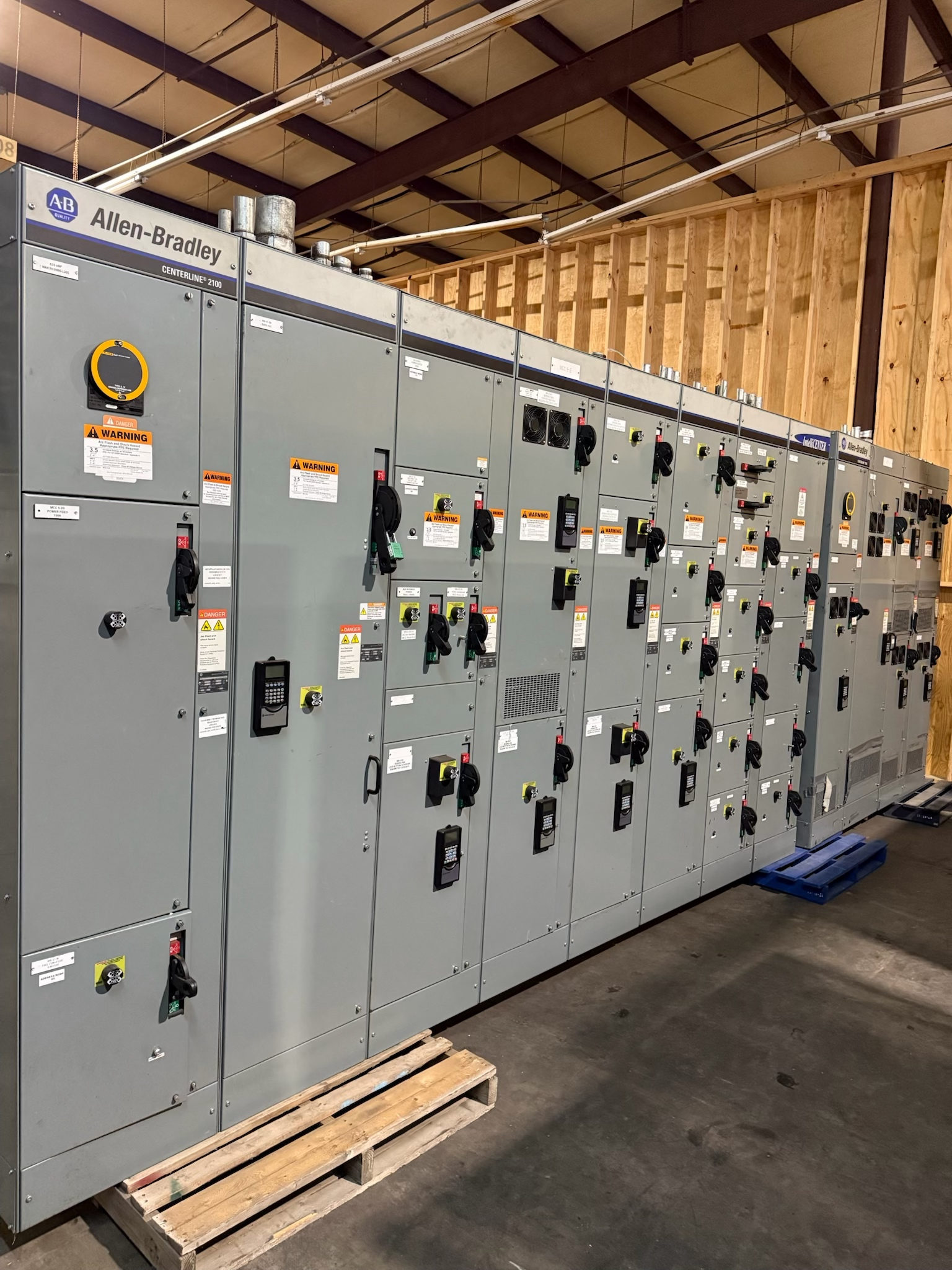
Documentation as part of equipment quality
For a new switchgear project, quality documentation is more than a record of paperwork completed. It gives the owner, electrical design team, equipment manufacturer, and installation team a shared reference for what the assembly is intended to do and how its configuration was reviewed. Clear records help prevent assumptions from carrying forward into procurement, installation, or future maintenance.
A useful quality documentation approach connects the approved project requirements to the equipment actually designed and built. Drawings, inspection records, and test documentation each address different questions: what was specified, what was assembled, and what was checked. Together, they support informed review without replacing the judgment of qualified electrical professionals or the requirements of applicable authorities.
Start with the project requirements
Documentation should begin with the application and the project’s governing information, not with a generic drawing set. The design team should identify the system voltage, load and distribution needs, available fault-current information, operating arrangement, environment, and applicable codes or standards. These inputs guide equipment selection, but each rating and design condition requires project-specific verification.
For Central Texas projects, the documentation process also benefits from early coordination among the owner, engineer, contractor, and equipment supplier. Confirm who will provide and approve one-line diagrams, site or room constraints, utility interface information, and equipment schedules. Recording assumptions and unresolved items makes it easier to identify design gaps before they become drawing revisions or procurement delays.
Drawings that describe the actual assembly
Project-specific drawings should communicate the proposed equipment arrangement and interfaces in enough detail for technical review and installation planning. Depending on the project, this may include one-line diagrams, front elevations, compartment or section arrangements, control schematics, terminal information, and connection details. The drawing package should identify what is included and distinguish confirmed information from items that remain subject to approval.
A drawing is useful only when its revision and approval status are clear. Reviewers should check that equipment designations, feeder information, control functions, metering or protection requirements, and connection points align with the project documents. Any changes made after approval should be captured and distributed through a controlled revision process so that the shop, field team, and owner are not relying on conflicting versions.
Design choices that need explicit review
A complete record helps expose choices that can materially affect the assembly. These may include bus arrangement, protective-device types and functions, metering, control power, compartment layout, cable access, maintainability, and provisions for future connections. Enclosure type, environmental conditions, voltage, continuous-current requirements, and short-circuit withstand or interrupting ratings must be evaluated for the particular application rather than assumed from a general product description.
Applicable standards also depend on the equipment type and design. UL 891 applies to suitable switchboard assemblies; it should not be presumed to apply to every switchgear product or to medium- or high-voltage equipment. The project team should identify the required standard and any listing or certification expectations during specification review, then confirm that the selected design and its documentation address those requirements.
Inspections and records during production
Inspection records provide evidence that defined checks were performed at relevant points in the equipment build. The appropriate inspection plan depends on the design and project requirements; it may address component identification, assembly workmanship, wiring, mechanical operation, labels, and conformance to approved drawings. Records are most useful when they identify the scope of the check, its result, and how any discrepancy was resolved.
A documented inspection does not by itself establish that every possible operating condition has been evaluated. Instead, it helps provide traceability between approved requirements and observable assembly details. Project participants should agree on required inspection documentation, review responsibilities, and any hold or witness points before production begins. That agreement reduces uncertainty about what evidence will be available and when it will be reviewed.
Testing and interpreting test records
Test records should describe the checks performed on the equipment and the basis for determining whether the results are acceptable. The tests selected depend on equipment design, applicable standards, and project specifications; no single test list is appropriate for every assembly. A useful record identifies the equipment or section tested, relevant test procedure or criteria, results, and any exceptions or follow-up actions.
Factory test documentation supports review of the manufactured assembly, but it is not a substitute for site-specific commissioning, installation checks, or verification of the completed electrical system. The owner and project professionals should establish which factory and field tests are required and who is responsible for each. Testing and inspection must be planned and performed by qualified personnel using procedures appropriate to the equipment and safety requirements.
Coordinate submittals, procurement, and revisions
Before releasing a new switchgear order, align the technical submittal process with the project schedule and approval chain. Confirm which documents are required for review, who returns comments, how revisions are approved, and which information must be finalized before fabrication. Procurement decisions should account for project-specific design choices and documentation requirements, not only a general equipment description or anticipated lead time.
For a manufacturer building in the USA with all-American components and custom assemblies to specification, the project still depends on complete, coordinated inputs. Lead time is determined by project scope and the information needed to complete design and approvals. A disciplined document register can track open questions, submittal status, approved revisions, and required records, helping the team manage dependencies without treating a schedule estimate as a delivery commitment.
Plan a practical documentation handover
Before the equipment is released for installation, the project team should identify the final record package and its intended users. Confirm whether handover should include approved drawings, applicable inspection records, test results, equipment identification information, and the final revision set. Check that documents correspond to the delivered configuration and that unresolved deviations are clearly described rather than left implicit.
A practical next step is to assign an owner for each document and establish a review calendar alongside procurement milestones. The electrical engineer can confirm technical requirements; the contractor can identify installation and coordination needs; and the owner can define record-retention expectations. For a Central Texas project, this early alignment supports smoother coordination with local project participants while keeping technical decisions grounded in verified site and system conditions.
Project specification checklist
Use this checklist to organize the details for a project-specific review. Final ratings, applicable standards and equipment selections depend on the approved design.
| Item | What to confirm |
|---|---|
| Design inputs | Confirm system conditions, load and distribution requirements, environment, site constraints, and applicable codes or standards with qualified project professionals. |
| Drawing scope | Agree on required diagrams, elevations, schematics, connection details, approval status, revision control, and responsible reviewers. |
| Equipment ratings | Verify voltage, current, enclosure, and fault-duty requirements for the specific application; do not infer suitability from general capabilities. |
| Inspection evidence | Define the inspection scope, documentation format, review roles, and any project-required hold or witness points. |
| Testing records | Specify applicable factory and field tests, acceptance criteria, responsible parties, and how exceptions or corrective actions will be recorded. |
| Submittal and handover | Set approval milestones and identify the final drawing, inspection, and test records needed for installation and owner retention. |