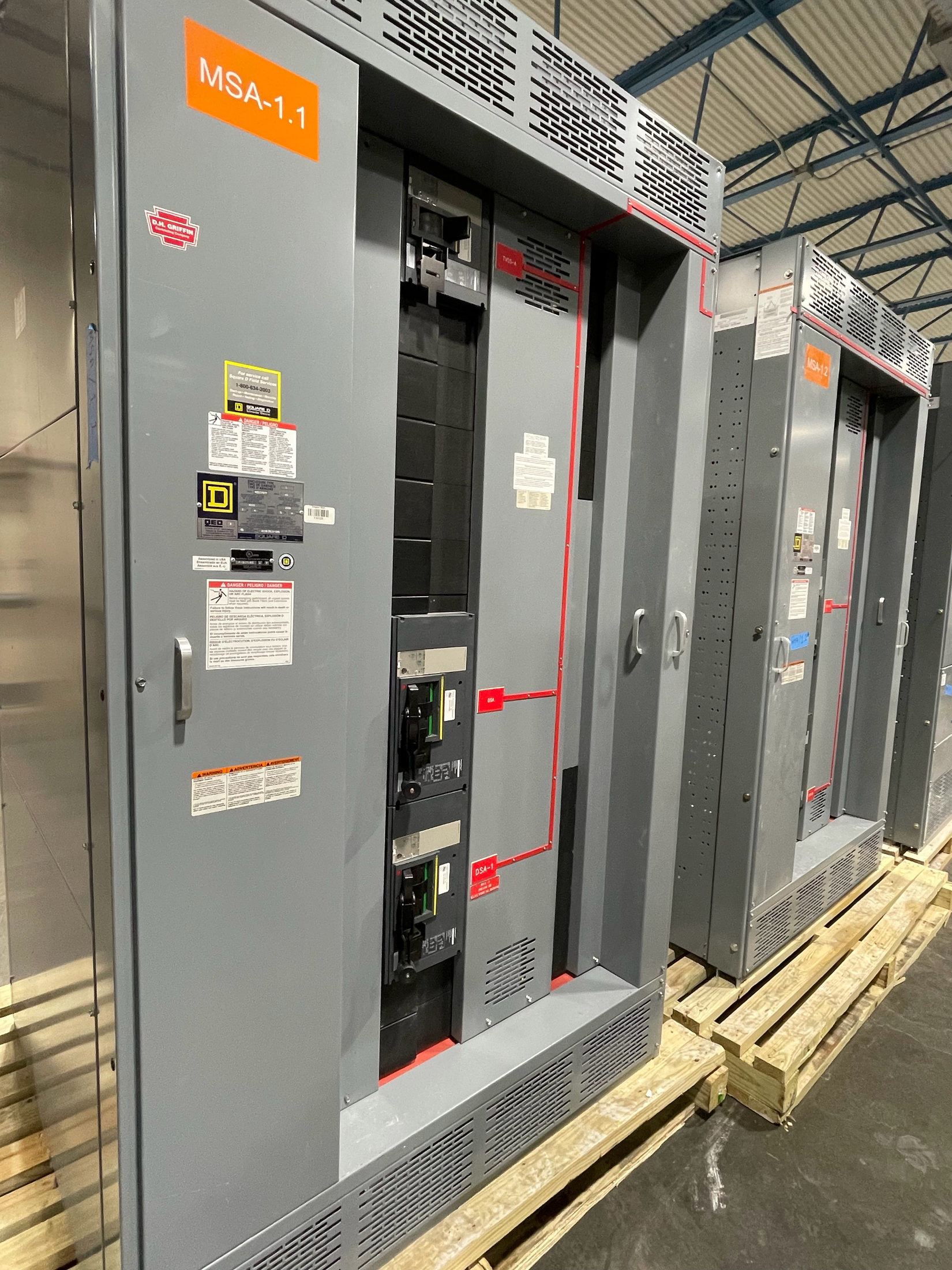
Start with the application and project need
A useful project workflow begins with the electrical need, not a product label. For a Central Texas facility, describe whether the request supports new construction, a replacement, an expansion, or a change in load or distribution. Identify the equipment’s role in the system, the site and project schedule, and any operational constraints that affect access, outages, or installation planning. These details help frame a new switchgear inquiry and reveal what information is still missing.
Gather available one-line diagrams, specifications, load information, and site requirements before requesting a proposal. If documents are preliminary, identify them as such and note who will resolve open questions. This gives the manufacturer a practical starting point without treating early assumptions as approved design criteria. Qualified electrical professionals should guide system decisions and confirm requirements with the relevant authorities.
Review system requirements before selecting equipment
The review phase turns the application into a set of equipment requirements. Relevant inputs can include system voltage, continuous current, available fault current, service conditions, feeder and main arrangements, metering, protective devices, and coordination with upstream and downstream equipment. These values are project-specific: no voltage, amperage, short-circuit rating, or configuration should be presumed suitable without verification against the system and governing requirements.
Also establish the applicable equipment type and standards. Switchboards, low-voltage switchgear, and medium-voltage equipment are not interchangeable terms, and their design and evaluation requirements differ. UL 891 applies to suitable switchboard assemblies; it is not a blanket listing for every switchgear product or voltage class. The project team should identify the required standards, approvals, and documentation during review rather than assume a particular certification applies.
Resolve design choices and interface details
Once the requirements are understood, the project team can develop a project-specific configuration. Decisions may involve lineup arrangement, breaker or switch functions, bus and connection interfaces, metering provisions, control features, and space for cable entry or termination. Custom assemblies can be built to specification, but each choice must align with the reviewed electrical design and the physical installation. Drawings and written requirements should make those choices clear enough to assess before production.
Confirm how the equipment interfaces with the rest of the project: incoming and outgoing conductors, grounding, control wiring, protective relaying, communications, and adjacent equipment may all affect the design. The engineer of record and other responsible professionals should resolve conflicting documents and identify the controlling revision. For a Central Texas project, site-specific access, delivery constraints, and coordination with the construction schedule belong in this discussion, without assuming a particular site condition.
Submit a complete inquiry and clarify open items
A strong inquiry includes the current specification, one-line diagram, required equipment scope, project location, desired schedule, and a clear contact for technical questions. Include known options and exceptions, but distinguish required features from preferences. If the project has multiple phases or alternate configurations, label them separately so the review can address the intended scope instead of blending assumptions.
After the inquiry, clarify gaps before relying on a proposal for procurement planning. The manufacturer and customer can identify unanswered technical points, document exclusions or dependencies, and determine whether revised drawings or calculations are needed. Lead times are project-dependent, so schedule discussions should account for design review, approval, production, and shipping rather than rely on an unverified standard duration. A defined question-and-answer record helps keep later decisions traceable.
Review submittals and approve the defined scope
Before production, review the proposal and submittal documents against the project requirements. Check the equipment description, arrangement, ratings, protective-device details, options, interfaces, and stated exceptions. Compare the documents with the latest approved one-line and specification, and route them to the qualified reviewers responsible for electrical design, construction coordination, and owner requirements. Any mismatch or unresolved value should be addressed in writing rather than treated as an informal assumption.
Approval should establish the configuration and document revision authorized for production. Record requested changes, confirm their effect on scope and schedule, and review revised documents when issued. An approval is not a substitute for required engineering judgment, permits, or review by authorities having jurisdiction. Keeping one controlled set of approved information reduces the risk that production, field coordination, and procurement teams are working from different versions.
Coordinate production, testing, and schedule changes
With the approved scope in place, production planning can proceed against the defined design and project schedule. The manufacturer builds in the USA using all-American components and offers custom assemblies to specification; project details determine the applicable configuration and timing. If site dates, quantities, or design inputs change, communicate the revision promptly and ask how it affects the approved documents, production plan, and shipment coordination.
Testing and inspection depend on the equipment design, applicable standards, and contract requirements. Confirm in advance what factory checks, records, or witness arrangements are specified, and who needs to review the results. Do not assume a test protocol, certification, or acceptance procedure applies universally. The project team should coordinate any required inspection with the responsible parties and ensure the equipment documentation matches the approved design before the handoff is planned.
Plan delivery and a useful project handoff
The final workflow step is to prepare for receipt and integration. Confirm the shipping destination, receiving contact, site access and unloading arrangements, delivery window, and any packaging or handling requirements with the project team. Nationwide shipping is available, while the route and timing depend on the project. For Central Texas customers, align delivery planning with the construction schedule and site readiness; do not assume a local facility or a particular delivery date.
At handoff, organize the approved drawings, equipment identification, applicable test records, and other documents required by the project. Confirm who will receive the equipment and who is responsible for installation, connections, inspection, and commissioning; these responsibilities should be established by the project, not assumed. Before installation or energization, qualified professionals must verify the equipment and site conditions against approved plans and applicable requirements. A clear closeout checklist turns the workflow into actionable next steps.
Project specification checklist
Use this checklist to organize the details for a project-specific review. Final ratings, applicable standards and equipment selections depend on the approved design.
| Item | What to confirm |
|---|---|
| Application and scope | Confirm the equipment’s system role, project phase, included assemblies, and any exclusions. |
| Electrical requirements | Verify system voltage, current, fault-duty information, protection, and coordination with qualified project professionals. |
| Configuration and interfaces | Document lineup, devices, connections, controls, metering, and physical interface requirements. |
| Standards and approvals | Identify applicable standards, required evaluations, responsible reviewers, and authority approvals for the specific design. |
| Schedule and logistics | Align review, approval, production, shipping, site access, and receiving plans; confirm timing for the project. |
| Handoff records | Agree on approved drawings, applicable test documentation, equipment identification, and receiving responsibilities. |