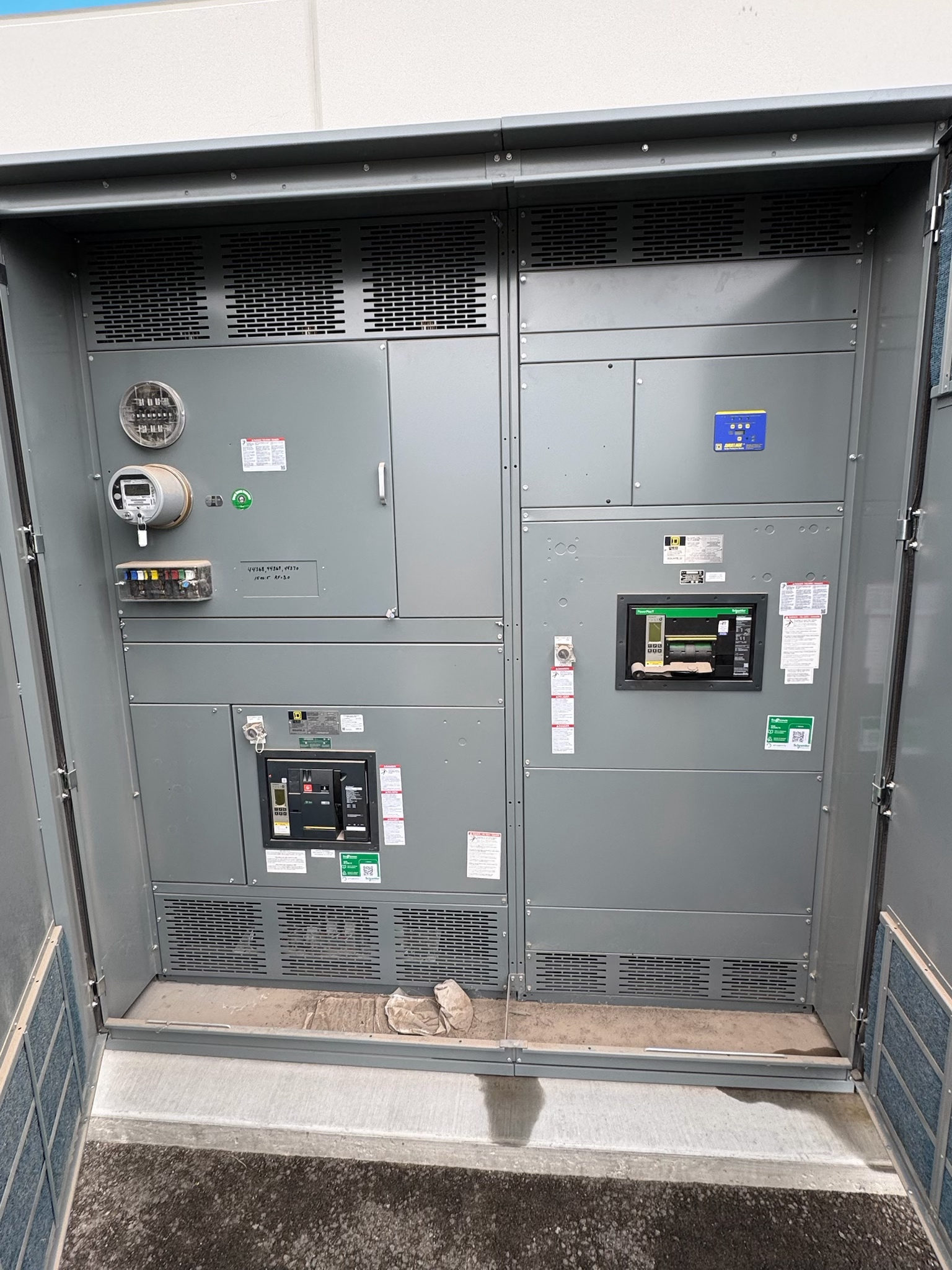
Start With a Shared Scope
Working with electrical contractors on new switchgear projects starts with defining who provides each part of the system. The owner’s requirements, contractor’s installation scope, equipment supplier’s deliverables, and responsibilities of the engineer and authorities having jurisdiction should be distinguished early. For a Central Texas project, this shared scope can help avoid gaps involving feeders, protective devices, metering, controls, accessories, and field connections. Identify which documents govern the design and how proposed changes will be reviewed. A clear responsibility matrix is useful when the equipment must fit into a larger electrical upgrade, new facility, or replacement project, especially where multiple trades and approval steps affect the schedule.
Align Equipment Selection With the Application
Contractors can help translate operating conditions and installation constraints into a coordinated equipment specification. Confirm system voltage, phase and wire arrangement, continuous load requirements, fault-current conditions, grounding method, protection and metering needs, and the intended operating sequence with the project’s qualified electrical professionals. These characteristics are not interchangeable or universal ratings; they must be evaluated for the actual system and applicable requirements. Determine whether the scope calls for a switchboard, switchgear, or another assembly based on the application and design documents. UL 891 may apply to suitable switchboard assemblies, but it should not be assumed for every product or assembly.
Resolve the Installation Interface Before Release
The equipment design must meet the site’s physical and electrical interfaces, not just its one-line diagram. The contractor and design team should coordinate room dimensions, access and working clearances, conduit or cable entry locations, bus or feeder connections, anchoring, ventilation needs, and handling routes. Confirm which party supplies transition sections, connection hardware, field wiring, and any interface components. The required enclosure and environmental provisions depend on the location and project conditions; verify them rather than relying on a general assumption. Early review of layout drawings and connection details can reveal conflicts with adjacent equipment or building systems before fabrication documents are finalized.
Make Design Choices Visible
Custom assemblies can be developed to project specifications, so contractors should identify functional choices and constraints before the design is released. Document breaker or switching-device functions, protective coordination requirements, control power, metering, communications, interlocks, labeling, and provisions for future connections where applicable. Separate required features from preferences, and record the source document or responsible reviewer for each decision. Changes to protective devices or control schemes may affect coordination studies, drawings, procurement, and approvals. A disciplined submittal review gives the contractor and engineer an opportunity to confirm that the proposed arrangement matches the intended sequence and interface, without treating a preliminary layout as authorization to install.
Coordinate Schedule and Procurement Milestones
A workable schedule connects equipment decisions to construction milestones. Agree on dates for specification completion, drawing review, approval, release to production, site readiness, delivery coordination, and planned testing. Lead times depend on the project and the approved design, so confirm the schedule for the specific scope rather than assuming a standard duration. The contractor should identify when final dimensions and connection details are needed for room preparation, conduit work, and other trades. Establish a process for documenting revisions and their schedule effects. For Central Texas projects, coordinate delivery timing and site access with the project team; shipping nationwide does not replace site-specific logistics planning.
Plan Reviews, Testing, and Approvals
Approval responsibilities should be established before equipment documents are submitted. Confirm the required drawing package, review sequence, specifications, and applicable standards with the engineer and relevant authorities. Standards depend on equipment design and project requirements; a listing or approval should not be presumed solely from a product category. Before shipment or installation, agree on what inspections and tests are required, who witnesses them, and how results and open items will be recorded. The contractor should coordinate field acceptance activities with qualified personnel and the project’s safety procedures. Review test boundaries and responsibilities in advance, and resolve discrepancies through the designated engineering and approval process.
Prepare the Site and Handoff
Before delivery, the contractor should verify that the installation area, access route, foundations or supports, and required connection points are ready for the approved equipment configuration. Compare the latest released drawings with current site conditions and report conflicts before work proceeds. At handoff, identify the documents needed by the owner and maintenance team, such as final drawings, device information, test records, and operating instructions when included in the project scope. Installation, energization, and maintenance decisions belong with qualified electrical professionals following applicable procedures. A documented punch list and clear ownership of remaining actions help prevent incomplete interfaces from being mistaken for an accepted final installation.
Use a Practical Contractor Coordination Checklist
For the first project meeting, bring the current one-line diagram, equipment specifications, room or site layout, load and fault-current information, and the project schedule. Ask the contractor to flag missing inputs, identify design and approval reviewers, and name the party responsible for each connection and interface. Record unresolved decisions with an owner and due date; do not release equipment based on assumptions about ratings, enclosure, or compliance. When requesting a proposal for new switchgear, provide the intended application, required functions, installation constraints, and submittal milestones. This focused exchange gives the manufacturer and project team a basis to review the scope and identify what must be confirmed next.
Project specification checklist
Use this checklist to organize the details for a project-specific review. Final ratings, applicable standards and equipment selections depend on the approved design.
| Item | What to confirm |
|---|---|
| System requirements | Confirm voltage, system configuration, load, fault-current conditions, and protection needs against project documents. |
| Scope ownership | Assign responsibility for equipment, field connections, accessories, controls, and required documentation. |
| Installation interfaces | Verify dimensions, access, entry locations, supports, connection details, and site conditions. |
| Schedule milestones | Set dates for design inputs, submittal review, approval, release, site readiness, delivery, and testing. |
| Approvals and testing | Confirm applicable standards, review authorities, inspection requirements, test responsibilities, and records. |