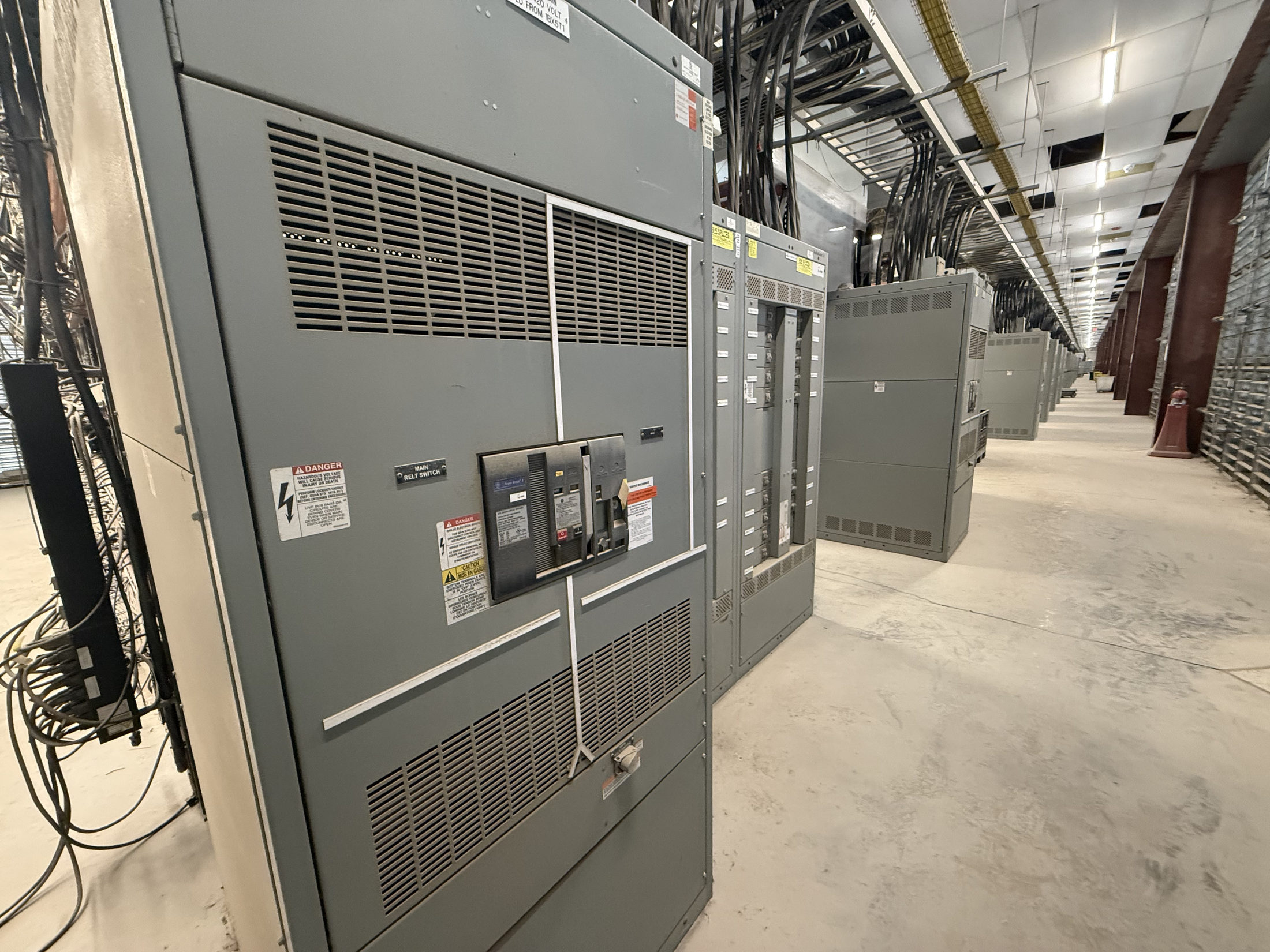
Start with the application, not a price per amp
Switchgear pricing depends on the job the equipment must perform, not simply a headline voltage or current rating. A facility adding a distribution point, replacing aging gear, or outfitting a new electrical service may need different equipment, protection, metering, and arrangement. Start by describing the source, loads served, operating conditions, and consequences of an outage. Those details help the manufacturer identify a suitable design basis before comparing proposals.
A useful budget request includes project location, installation environment, desired in-service timing, one-line diagram, load information, and the scope boundary between equipment and other work. Identify whether the request is for a switchboard, low-voltage switchgear, or another assembly; terminology can be used differently across projects. Qualified electrical professionals should determine the required design and applicable standards, with relevant authorities reviewing the project as required. A price based on incomplete assumptions can omit important scope or require redesign.
Ratings influence design and component cost
Voltage class, continuous current, and short-circuit withstand or interrupting requirements can affect the equipment architecture and the components selected. These values are project-specific: they must fit the source system, available fault current, protective-device coordination, and connected loads. Higher or unusual requirements may change bus design, protective devices, compartmentation, dimensions, and engineering effort. No rating should be treated as a standard capability or accepted without verification against the actual system and applicable design criteria.
Share available system studies and source information, including transformer data and upstream protective-device details, when available. Confirm whether the equipment must accommodate future feeders, spare capacity, or planned load growth; reserve provisions can affect both present layout and price. The designer should also clarify grounding arrangements, metering needs, and control power. Changes to these inputs after design begins may affect component selection and require revised drawings, so identify known operating needs early rather than relying on a broad allowance.
Components and configuration define scope
The number and type of incoming, tie, and outgoing devices, along with their functions, are major cost drivers. Breaker type, trip or relay features, metering, surge protection, control circuits, communications, and accessory requirements may add components and integration work. Some choices are driven by electrical studies or operating procedures; others are preferences. Distinguishing required functions from optional features gives the manufacturer a clearer basis for pricing without weakening the project’s safety or operational criteria.
Physical configuration also matters. Indoor or outdoor use, enclosure requirements, access and working clearances, cable entry direction, conductor landing space, and room constraints can affect construction and fit. Confirm the applicable environment, dimensions, routing, and interface locations with the facility design team. For a replacement, record existing connections and constraints rather than assuming new equipment will match the old footprint. Custom assemblies can be built to specification, but the final arrangement and any applicable product standards or listings must be confirmed for the particular design.
Interfaces and engineering coordination affect total cost
Equipment price reflects how the assembly connects to the rest of the project. Define the boundaries for incoming conductors, downstream feeders, grounding, control wiring, communications, and any connections to generators, transformers, or other sources. Identify who supplies interface devices and who provides the drawings or data needed to coordinate them. Missing or conflicting interface information can trigger drawing revisions, added engineering, or scope changes even when the equipment itself has not changed.
Provide the latest one-line diagram, equipment schedules, physical layout, cable information, and control requirements when requesting a quote. State the required submittal documents and review process, and identify the decision-makers for technical approvals. Changes to feeder count, device functions, or dimensions should be routed through a documented review. A coordinated scope makes proposals easier to compare: check that each includes the same assembly boundaries, accessories, documentation, and assumptions rather than judging only the initial amount.
Testing, standards, and documentation are priced scope
Testing and verification requirements can affect engineering time, production planning, and price. Clarify what routine production checks, inspection records, functional verification, or project-specific testing are requested, and whether witness or documentation requirements apply. The exact test scope must suit the equipment design and project specification; testing should not be assumed to prove every installation condition or system interface. If a customer specification calls for particular procedures, provide it early so feasibility, scope, and any associated schedule needs can be reviewed.
Applicable standards depend on equipment type and design. UL 891 applies to suitable switchboard assemblies, not automatically to every switchgear product or voltage class; any listing or standard conformity must be confirmed for the proposed assembly. Provide the required standard references and acceptance criteria for review by qualified professionals and relevant authorities. Ask the manufacturer to identify what is included in the quoted test and documentation scope, and what remains the responsibility of the project team. This prevents a low initial price from masking omitted requirements.
Delivery planning turns a quote into a workable purchase
Delivery timing is shaped by design completion, component selection, approval cycles, production sequencing, testing scope, and shipping destination. Short lead times may be an objective, but timing is determined by the project and confirmed scope; it should not be assumed from a preliminary budget figure. Share the required delivery window, site receiving constraints, access limits, unloading arrangements, and any restrictions on shipment size or timing. Nationwide shipping can be coordinated, while the customer’s project team should verify site readiness and handling responsibilities.
Before issuing a purchase order, reconcile the quote with the approved one-line, equipment schedule, interface drawings, ratings, component list, testing requirements, and delivery assumptions. Record open items and who will resolve them, then control revisions so the final build reflects approved information. Ask for a clear list of inclusions, exclusions, and customer-furnished items. This practical review helps identify cost drivers while there is still time to compare design options, confirm requirements, and avoid preventable changes during procurement.
Project specification checklist
Use this checklist to organize the details for a project-specific review. Final ratings, applicable standards and equipment selections depend on the approved design.
| Item | What to confirm |
|---|---|
| System basis | Confirm source data, voltage class, load needs, and available fault-current information. |
| Required ratings | Verify project-specific current and short-circuit requirements with qualified electrical professionals. |
| Assembly scope | Define devices, feeder count, metering, protection, controls, and future provisions. |
| Site interfaces | Confirm environment, dimensions, cable entry, grounding, and connection boundaries. |
| Testing and standards | State requested testing, documentation, applicable standards, and any listing expectations for review. |
| Delivery assumptions | Provide target timing, destination, receiving constraints, and shipment coordination needs. |