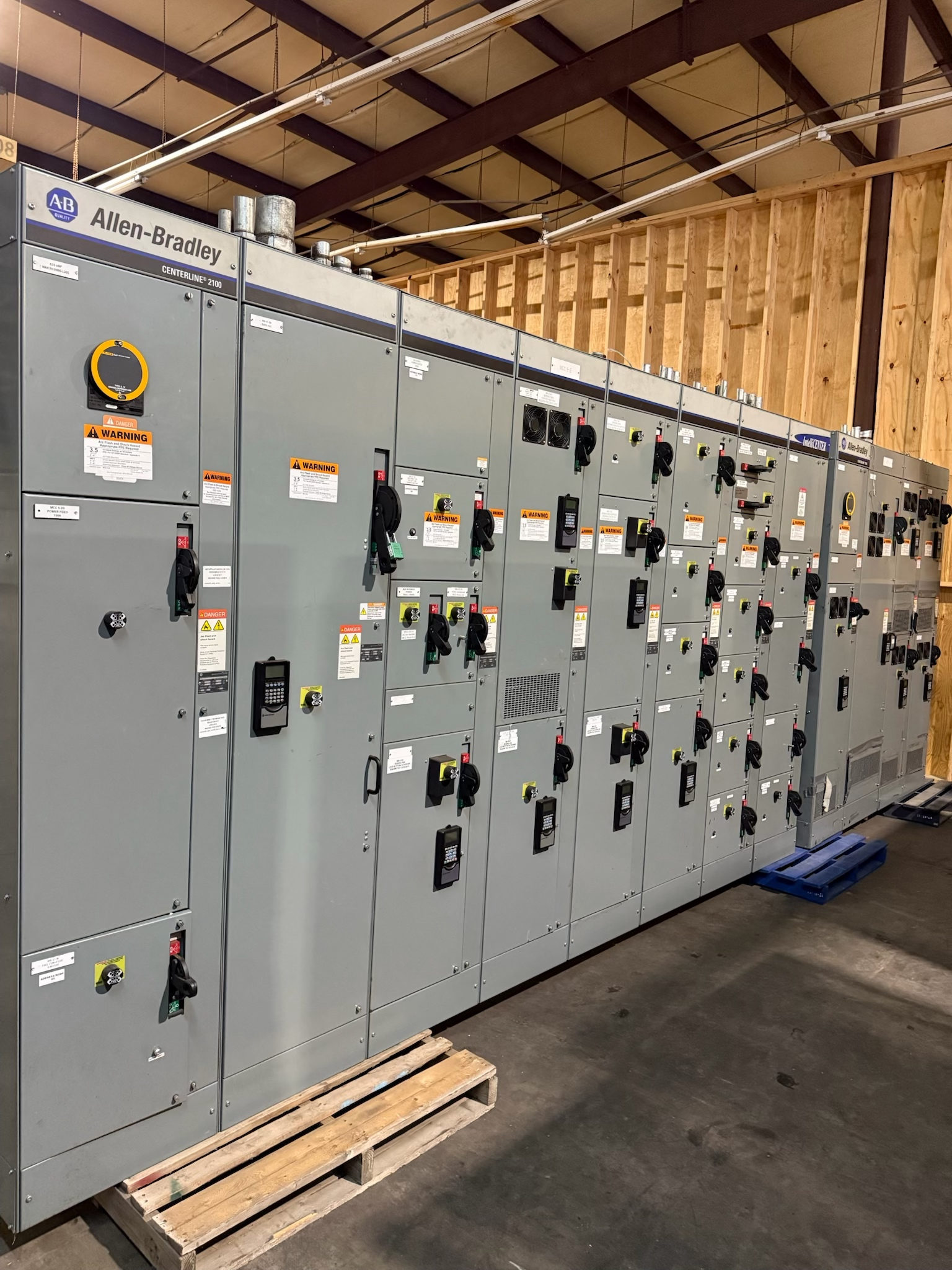
What a Switchgear Price Covers
Switchgear pricing begins with the function the equipment must perform, not a standard price per panel or ampere. For a new project, the estimate may cover a switchboard or another switchgear configuration, its specified protective and control devices, enclosure, assembly, and required project documentation. The exact scope depends on the design and applicable standards. A distribution assembly for a commercial facility, for example, may have different requirements from equipment serving an industrial process or a utility interface. For customers in Austin and Central Texas, identifying the application and project stage helps establish a useful basis for discussion without treating an early budget figure as a final quote.
Clarify whether the request is for a complete assembly, a replacement within an existing system, or equipment for a new electrical room. State what is already defined and what remains subject to engineering review. A switchgear cost estimate is more meaningful when it distinguishes equipment scope from installation, field connections, and other work that may be handled by others. New switchgear prices should therefore be compared only after the included equipment, documentation, and assumptions are understood. A low figure for a partial scope is not directly comparable with a price for a fully specified assembly.
Ratings and System Requirements Shape Cost
Electrical characteristics are among the most important pricing inputs. The project team should confirm system voltage, continuous current requirements, available fault current, required interrupting or withstand ratings, and the intended protective-device functions. These values must come from project engineering and system information; they should not be inferred from a building type or copied from a previous installation. An unsuitable rating can affect both safety and equipment selection, so qualified electrical professionals must review the design and the relevant authorities’ requirements.
The type of equipment matters as well. Switchboards, low-voltage switchgear, and medium-voltage equipment are not interchangeable terms for pricing purposes, and their construction and applicable standards differ. UL 891 applies to suitable switchboard assemblies, not automatically to every switchgear product or voltage class. Confirm the intended equipment category, listing or standard requirements, and any project-specific acceptance criteria before requesting firm pricing. The necessary design review also determines which protective devices, metering, control features, and coordination information belong in the scope.
Configuration and Custom Design Choices
Physical arrangement can change the cost and feasibility of an assembly. Useful details include the number and type of sections, incoming and outgoing connections, cable entry direction, bus arrangement, access needs, and available room dimensions. Enclosure requirements and the installation environment must also be defined for the actual location; an enclosure type should not be selected by assumption. Where equipment must fit an existing space, provide verified dimensions and interface information rather than relying on photographs or approximate measurements alone.
Custom assemblies built to specification can address project-defined requirements, but each design choice needs confirmation before it is treated as included. Identify required metering, communications interfaces, control wiring, protective-device options, labeling, and documentation. Note any constraints on future expansion or maintenance access that affect the layout. These choices can influence components, engineering, assembly, and review effort. A focused scope helps the manufacturer evaluate what is necessary and what is optional, while avoiding cost comparisons based on features one proposal includes and another leaves unspecified.
Coordination, Review, and Testing Scope
A dependable pricing request includes the project information needed to coordinate the assembly with the electrical system. Relevant documents may include one-line diagrams, equipment schedules, load information, fault-current data, protection requirements, and connection details. The project team should identify who is responsible for supplying or approving each item, along with the review stages that affect the design. Qualified electrical professionals should verify the equipment selection and coordination; pricing discussion is not a substitute for engineering review or approval by relevant authorities.
Ask what design review and production testing are included, and what records or submittals the project requires. Testing scope depends on the equipment design and contract requirements, so do not assume that a particular test, certification, or listing applies to every assembly. Clear acceptance criteria can prevent late changes and clarify the basis of the estimate. If drawings or system data are preliminary, label them as such and ask which assumptions are being used. Revisions to ratings, layout, devices, or interfaces may change both the price and the project schedule.
Procurement Timing and Estimate Accuracy
Pricing and lead time are connected to the final design, selected components, review cycles, and the project’s requested schedule. Short lead times may be an objective, but timing is determined by project and should not be assumed before scope and requirements are reviewed. US-built assemblies using all-American components can be considered as part of the procurement discussion; confirm the sourcing and documentation requirements relevant to the project rather than assuming any additional compliance status. Nationwide shipping is offered, with shipment planning coordinated against the destination, receiving conditions, and site schedule.
For a useful estimate, provide the requested delivery location, target dates, decision deadlines, and any site receiving constraints. In Central Texas, coordinate equipment dimensions and shipment timing with the project’s access, storage, and installation sequence; do not assume that equipment delivery includes unloading or installation. Ask how long quoted pricing remains valid and what changes would require an updated proposal. Treat budget pricing as conditional when drawings, ratings, or device selections are incomplete, and retain a clear record of the assumptions used.
Prepare a Request for New Switchgear Pricing
Before requesting new switchgear prices, assemble the latest one-line diagram, equipment schedule, known system ratings, fault-current information, and applicable project specifications. Include the intended application, required standards or listing criteria, preferred configuration, connection details, enclosure requirements, metering and control needs, and documentation expectations. Mark unknowns instead of filling them with estimates. If equipment is replacing an existing assembly, provide verified interface and dimensional information and identify which conditions still need field confirmation by the project team.
Then ask for an itemized scope, stated design assumptions, exclusions, review and testing responsibilities, and a project-specific timing basis. Compare proposals against the same technical requirements, not just the headline price. Direct questions about uncertain ratings or protection to the project’s qualified electrical professionals, and resolve conflicts between drawings and specifications before authorization. This gives the manufacturer a clearer basis to develop a switchgear cost estimate and gives the customer practical decision points for refining the design without treating an early budget number as approval to procure.
Project specification checklist
Use this checklist to organize the details for a project-specific review. Final ratings, applicable standards and equipment selections depend on the approved design.
| Item | What to confirm |
|---|---|
| Application and equipment type | Confirm the system function and whether the project requires a switchboard, low-voltage switchgear, medium-voltage equipment, or another assembly. |
| Electrical ratings and protection | Provide project-verified voltage, current, fault-current, and protective-device requirements for qualified review. |
| Configuration and environment | Define layout, connections, access, dimensions, and project-appropriate enclosure requirements. |
| Standards and acceptance | Identify applicable standards, listing criteria, authority requirements, and acceptance documentation; applicability depends on design. |
| Scope, testing, and schedule | Confirm included documentation and testing, exclusions, review milestones, requested dates, and shipment coordination assumptions. |