Start the Purchase Order with a Defined Application
A useful switchgear purchase order checklist begins with the electrical application, not a catalog description. Identify what the equipment will serve, its place in the distribution system, the source and downstream connections, and whether the project is a new installation or a replacement. Provide the latest one-line diagram and explain the operating sequence, including any required source transfer or tie arrangement.
Record who is responsible for confirming design assumptions: the specifying engineer, facility team, contractor, and other project stakeholders. Include site conditions and constraints that could affect configuration, but distinguish verified requirements from open questions. This gives the manufacturer a clear basis for preparing a proposal and helps prevent a purchase order from treating an unreviewed concept as a final design.
Specify Ratings and Assembly Configuration for the Project
Document required system voltage, continuous current, available fault current, and protective-device requirements as project values for review—not as assumptions about standard equipment. The qualified electrical professionals responsible for the design must confirm ratings and coordination against the system study, applicable codes, and authorities having jurisdiction. Identify main, feeder, tie, metering, and other functional sections, as applicable, along with the intended breaker or fuse types.
State the required bus arrangement, neutral and grounding provisions, enclosure and environmental conditions, and access or cable-entry preferences. These choices can affect footprint, internal layout, interfaces, and manufacturability. Specify whether a UL 891 switchboard assembly is appropriate and required; that standard applies only to suitable assemblies, not automatically to every type of switchgear. Applicable standards and any listing requirements must be verified for the specific design.
Close Design Questions Before Authorizing Production
Attach the documents that establish the purchased scope: equipment schedules, one-line and elementary diagrams, specifications, layout drawings, and relevant interface details. Identify which document governs if information conflicts, and state the revision dates. List deviations, approved substitutions, exclusions, and unresolved items explicitly. A purchase order should not leave critical choices—such as protective-device functions, control power, metering, communications, or interlocks—to interpretation.
Define the submittal review path, named reviewers by role, and required response milestones. Clarify whether approval is for design coordination or release to production, and how changes after approval will be handled. Review responsibility remains with the project’s qualified professionals; manufacturer drawings do not replace system engineering or approval by relevant authorities. Resolving differences early reduces the risk of late redesign, schedule disruption, or equipment that does not match the intended installation.
Coordinate Interfaces, Testing, and Acceptance
List every interface the assembly must accommodate: incoming and outgoing conductors, grounding, control wiring, communications, external devices, and any adjacent equipment or field-fabricated connections. Confirm who supplies, connects, and verifies each interface. Define required factory inspections or tests in the purchase documents, including the applicable procedures, witness expectations, records, and any project-specific test requirements. Test scope should be agreed for the actual equipment and applicable standards rather than inferred from a generic checklist.
Set objective acceptance requirements before release. Identify the documents and test records to be delivered, the process for recording discrepancies, and who reviews and resolves them. Distinguish factory acceptance from site receipt, installation checks, and commissioning; these are separate project activities, and site work should be performed by qualified personnel under appropriate procedures. Do not treat shipment or a signed delivery receipt as proof that all technical acceptance conditions have been met.
Make Delivery and Logistics Requirements Explicit
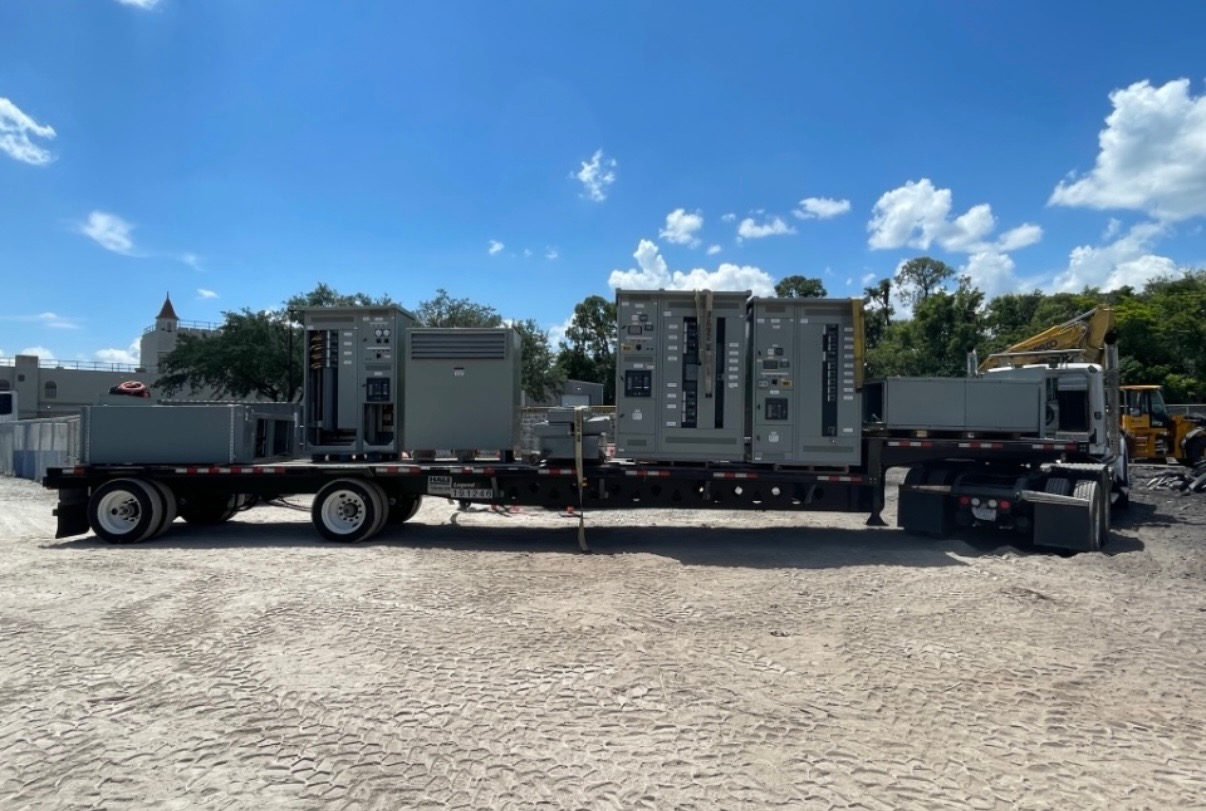
A complete order gives the manufacturer the requested delivery location, receiving contact, site access constraints, delivery-hour limits, and any unloading or staging arrangements that the project team has confirmed. Identify shipment milestones needed for coordination, such as drawing approval, release to production, readiness for shipment, and required on-site date. Ask for the current project-specific schedule; lead times depend on the final design, approvals, and order details and should not be assumed from a general estimate.
Coordinate delivery with construction sequencing and the route from receiving point to the equipment location. Verify doorway, corridor, elevator, floor-loading, and handling constraints with the responsible site team, and confirm who arranges lifting and placement. State packaging, shipment documentation, and notification expectations in the order. The manufacturer builds in the USA using all-American components and can ship nationwide; destination logistics and timing still require project-specific confirmation.
Use a Final Order Review Before Release
Before issuing or releasing the purchase order, compare its scope line by line with the approved quotation and latest reviewed drawings. Confirm equipment identity and quantities, included and excluded components, accessories, documentation, approved deviations, commercial terms, required dates, and the authorized contacts for technical decisions. Make sure the final order incorporates every agreed revision; a reference to an earlier proposal alone may not capture later changes.
Then circulate the order package to the project’s responsible electrical professionals and procurement stakeholders for confirmation of technical scope, approvals, interfaces, and acceptance criteria. Resolve open items in writing, assign owners and due dates, and establish how any change request will be evaluated for design and schedule impact. This practical closeout gives the manufacturer a documented release basis and gives the project team a traceable checklist for submittal review, delivery coordination, and receipt of the new switchgear.
Project specification checklist
Use this checklist to organize the details for a project-specific review. Final ratings, applicable standards and equipment selections depend on the approved design.
| Item | What to confirm |
|---|---|
| System and application | Confirm system context, one-line diagram, operating sequence, source and load connections, and project-specific design responsibility. |
| Ratings and protection | Provide engineer-verified voltage, current, fault-duty, protective-device, and coordination requirements for design review. |
| Configuration and standards | Define section functions, bus, neutral and grounding, enclosure conditions, applicable standards, and any required listing for the specific assembly. |
| Approvals and interfaces | Identify governing drawing revisions, reviewers, release milestones, deviations, and responsibility for field and equipment interfaces. |
| Testing and acceptance | Agree on applicable factory tests, witness expectations, required records, discrepancy handling, and separate site acceptance activities. |
| Delivery and receipt | Confirm requested schedule, destination access and handling constraints, receiving arrangements, shipment records, and project contacts. |