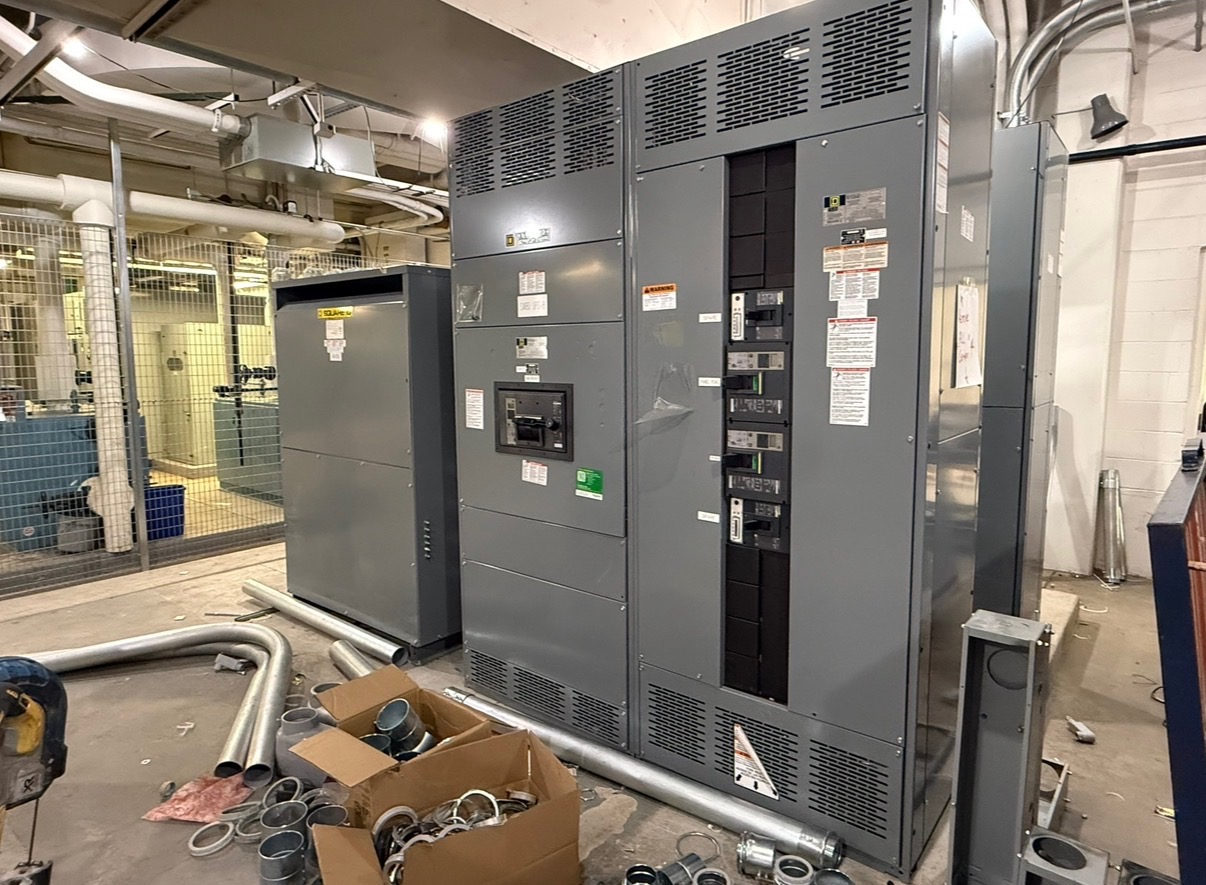
Build the Package Around the Project Scope
A useful bid package gives manufacturers enough information to quote new switchgear against the project’s actual electrical and commercial requirements. Begin by identifying the facility or system served, the equipment’s role, the project phase, and whether the request covers a complete assembly or defined sections and accessories. State the expected quantity and identify any related equipment that is outside the requested scope. If the design is preliminary, label assumptions and open items rather than presenting them as settled requirements.
Name the parties responsible for design, procurement, review, and approval, along with the bid contact and question process. Include the bid due date, anticipated award timing, and the date by which technical questions must be submitted. Clear scope boundaries help bidders identify exclusions, interfaces, and unresolved decisions before they become quotation differences or procurement delays.
Provide Drawings That Show Electrical Interfaces
Include the latest available one-line diagram, elevation or arrangement drawings, and relevant electrical room or equipment layout information. The one-line should identify the intended source, loads, feeder relationships, and system connections; drawings should show how the proposed assembly relates to adjacent equipment and the installation space. Mark revisions and distinguish issued-for-bid information from preliminary sketches. Where details are not final, identify who will resolve them and when.
Document known connection and interface requirements, such as incoming and outgoing cable or bus arrangements, metering or control connections, and coordination with upstream or downstream equipment. Provide only verified site dimensions and access constraints, and flag items that still require field confirmation. Do not infer an acceptable enclosure, cable entry, or construction from a drawing alone; those details need review against the application, project documents, and applicable requirements.
Make Technical Requirements Explicit
The specification should define the intended equipment type and application, system voltage, frequency, phases, bus arrangement, and required continuous-current and short-circuit performance where established by the project design. Identify the available fault-current study or other engineering basis used for these selections, and state which values remain subject to confirmation. Ratings must be suitable for the specific system and assembly; a bid package should not treat any rating as universal or assume that an unverified value is acceptable.
Describe functional and construction requirements that affect the design, including protection, metering, controls, operator interfaces, access, and future provisions when applicable. Identify the project’s applicable codes and standards or direct bidders to the engineer’s governing documents; applicability depends on equipment design and project conditions. UL 891 may apply to suitable switchboard assemblies, but it should not be assumed for every switchgear product. Request clarification of any requirement that is unclear or conflicts with the drawings.
Use Schedules to Make Scope Comparable
Attach equipment and feeder schedules that connect the one-line diagram to the requested assembly. For each identified circuit or section, provide the information established by the design, such as circuit designation, load or destination, protective-device requirements, metering needs, and connection details. Reconcile names and identifiers across drawings, schedules, and specifications so a bidder can see where each item belongs. If a schedule contains placeholders, mark them clearly and indicate whether the bidder should include an allowance, list an assumption, or exclude the item pending direction.
Call out accessories, spare provisions, documentation, and other deliverables individually rather than relying on broad phrases such as “complete system.” Identify required submittal content and any project review milestones, while leaving engineering approval and final equipment suitability to the responsible professionals. Ask bidders to identify deviations and exceptions against the same document revision. This makes technical comparisons more meaningful and helps prevent important differences from being hidden in a lump-sum scope.
Set Commercial Terms and Coordination Expectations
Request commercial information in a consistent format: equipment price and scope, stated exclusions, freight or shipping assumptions, quotation validity, payment terms, and any separately priced options or alternates. Ask for a project-specific lead-time estimate and the schedule basis behind it; timing depends on the final design, approvals, and order requirements, so avoid treating an early estimate as a delivery commitment. Specify the requested ship-to location and any known receiving or delivery constraints without assuming that a supplier provides unloading or installation services.
Describe the expected sequence for drawing submission and review, release for production, manufacturing, inspection, and shipment. State which party coordinates interfaces with other equipment suppliers and who resolves design comments. If testing or inspection is requested, define its scope, documentation, witness expectations, and timing for confirmation. Required tests and standards depend on the equipment design and project specification, so the bid package should solicit a clear response rather than imply an unverified capability.
Review Responses Before Award
Before selecting a quotation, compare each response to the same drawings, specification, and schedule revision. Check that the proposed scope addresses every required section and accessory, and review exceptions, assumptions, ratings, standards, submittals, testing, commercial terms, and the stated schedule basis. Resolve differences in writing; an apparently low price may omit an interface, document, or project requirement that another response includes. Route technical questions and proposed substitutions to the engineer and other qualified reviewers responsible for the design.
A practical next step is to issue a controlled bid index listing every included document, revision, and outstanding decision. Request a written list of required clarifications from each bidder, assign an owner and due date to each answer, then distribute approved changes consistently to all participants. Before award, confirm the final scope and commercial terms and establish how post-award drawing review will proceed. This disciplined record gives the project team a clearer basis for procuring new switchgear and carrying verified requirements into the approved design.
Project specification checklist
Use this checklist to organize the details for a project-specific review. Final ratings, applicable standards and equipment selections depend on the approved design.
| Item | What to confirm |
|---|---|
| Document control | List each drawing, specification and schedule by title, revision and issue date; identify preliminary documents and open questions. |
| Electrical basis | Provide project-established system characteristics and engineering studies; identify ratings still requiring qualified design review. |
| Interfaces and layout | Show equipment connections, adjacent systems, verified dimensions and known access constraints; flag information needing confirmation. |
| Scope and deliverables | Identify included sections, devices, accessories, submittals, documentation, exclusions and requested alternates. |
| Commercial response | Request itemized scope, pricing, exclusions, freight assumptions, quotation validity, payment terms and project-specific lead-time basis. |
| Review and testing | Define drawing-review milestones and requested inspection or testing scope, documentation and witness expectations for confirmation. |