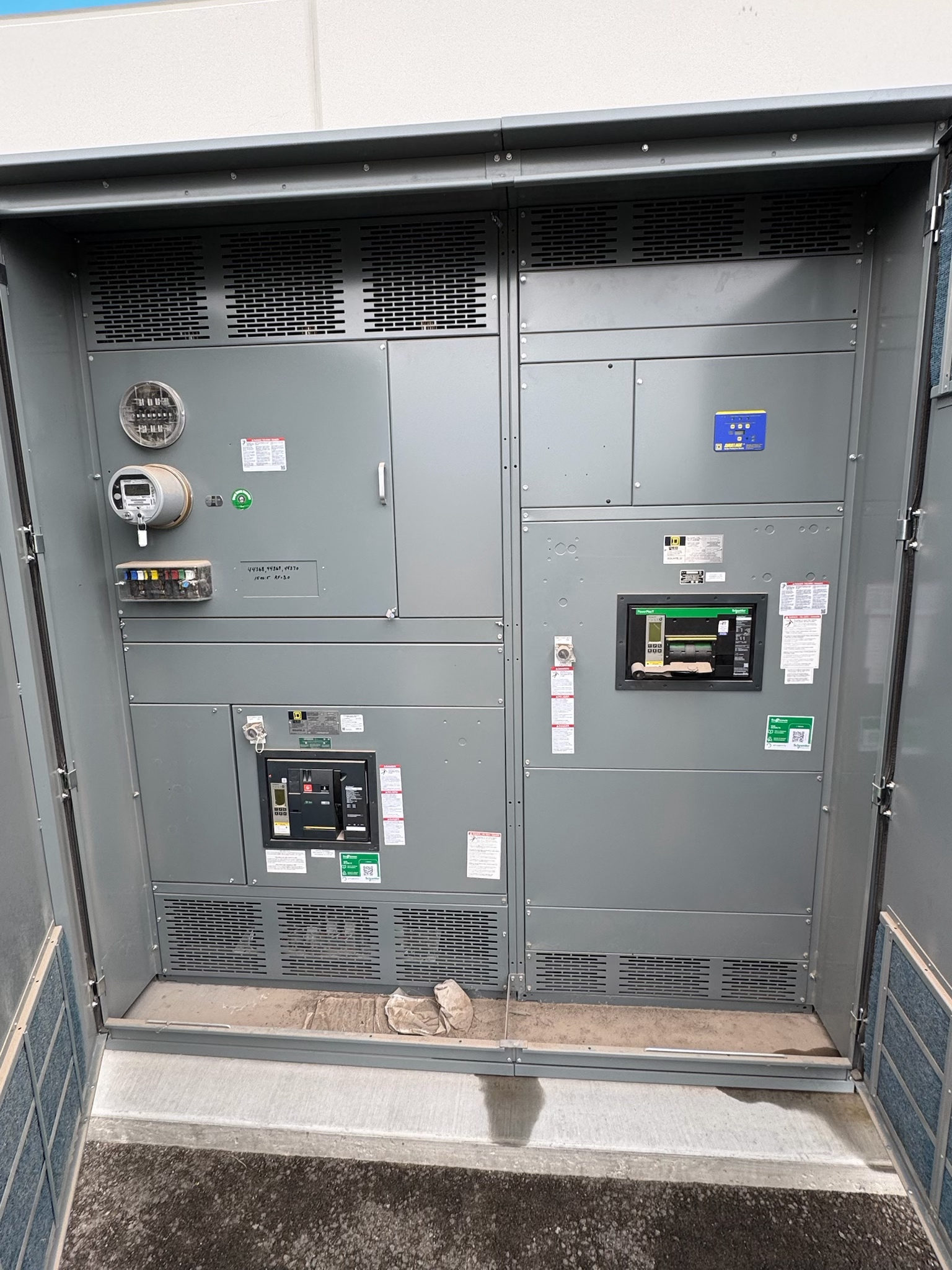
Turn Electrical Measurements Into Operational Insight
Power monitoring can help facility teams understand how electrical loads behave over time, rather than relying only on occasional readings or assumptions made during design. Metering may show values such as current, voltage, demand, energy, or power quality indicators when the selected equipment and instruments support them. Alarms can call attention to configured conditions, such as a measured value crossing a project-defined threshold. Together, these functions can help operators investigate changing demand, identify unusual patterns, and plan load management. Monitoring does not prevent faults or replace protective devices; its value is in making relevant operating information visible and actionable for qualified personnel.
Start With the Questions Operators Need Answered
Define the operational purpose before choosing meters or alarms. A facility seeking to compare feeder loading needs different visibility from one focused on energy reporting, demand management, or identifying abnormal conditions. List the equipment and distribution points to monitor, who will use the information, how often it is needed, and what decisions it should support. Existing one-line diagrams, load schedules, control narratives, and available communications documentation help establish scope. Confirm whether the project requires local indication, remote monitoring, or both. Avoid assuming that every circuit needs a meter; prioritize points where information will support a clear operational or planning decision.
Choose Measurements and Instrumentation for the Design
Meter capabilities and measurement accuracy should be selected against the monitoring objective, system configuration, and applicable project requirements. The design team should confirm system voltage and grounding, phase arrangement, expected operating conditions, measurement locations, and whether current transformers or other sensing components are required. Their ratios, wiring, burden, and accuracy must suit the selected meter and design. Consider which values operators need to see and whether event records or trends are necessary. Metering is not a substitute for protection or a formal power-quality study. Qualified electrical professionals should review the complete design, including instrument connections and applicable standards, before equipment is specified.
Define Alarm Logic and Communication Interfaces
An alarm is useful only when its condition, destination, and response are understood. Specify which measured conditions should generate alerts, the threshold and delay where appropriate, whether alarms need priorities or acknowledgement, and who is responsible for responding. Thresholds should reflect equipment limits, operating needs, and coordination with the facility’s procedures—not generic settings. Identify the intended interface, such as a local display or a connection to an existing supervisory system, and confirm protocols, network arrangements, point lists, data ownership, and cybersecurity requirements with the responsible controls team. Interface compatibility and integration scope must be verified; do not assume a meter will communicate with an existing system without review.
Coordinate the Switchgear Package and Verification
For new switchgear, monitoring provisions need to be coordinated with the one-line diagram, compartment and instrument layout, control power, wiring diagrams, communications architecture, and procurement documents. Decide whether readings are needed at the main, distribution sections, selected feeders, or other defined points; this affects instrument quantities, wiring, and interfaces. Where applicable to a suitable switchboard assembly, UL 891 may be relevant, but its applicability must be confirmed for the actual design and does not automatically cover every switchgear type. Before release, qualified project participants should review submittals and define inspection and test expectations for meter operation, alarm behavior, communications, and documented settings.
Prepare Inputs for a Useful Project Review
To develop a workable monitoring scope, provide the equipment supplier with the current one-line diagram, load information, monitoring objectives, preferred meter locations, and details of any supervisory system or network interface. Identify who will configure alarm thresholds and how operators will receive and act on alerts. Ask the project team to distinguish included instrumentation and wiring from owner-furnished devices, controls integration, and field verification, then document assumptions and open items in the submittal review. A US-built new equipment package can be customized to project specifications and shipped nationwide; lead time depends on the reviewed scope. For Austin and Central Texas projects, coordinate design review, delivery requirements, and site access through the project team without assuming local installation services.
Project specification checklist
Use this checklist to organize the details for a project-specific review. Final ratings, applicable standards and equipment selections depend on the approved design.
| Item | What to confirm |
|---|---|
| Monitoring objective | Confirm the operating questions, users, monitored distribution points, and decisions the data must support. |
| System and instrumentation inputs | Verify one-line diagram, system configuration, measurement locations, sensing requirements, and meter selection with qualified professionals. |
| Alarm requirements | Define monitored conditions, project-specific thresholds, delays, priorities, recipients, and response procedures. |
| Communications interface | Confirm protocol, point list, network responsibilities, compatibility, cybersecurity requirements, and integration scope. |
| Design review and testing | Agree on submittal review and verification expectations for readings, alarms, wiring, and communications. |