Start with the electrical application
Choosing new distribution equipment begins with what the system must do, not a preferred product name. Identify the source, the loads served, the equipment’s place in the distribution system, and whether the project is new construction, an expansion, or a replacement. Those details help determine whether a switchboard, switchgear, or another assembly is appropriate; the terms are not interchangeable in every design. For Central Texas projects, also establish who is defining the electrical basis of design and which parties need to review it. A qualified electrical professional should assess the application and applicable requirements before equipment is selected. The related equipment-selection topic pages can help clarify the questions to bring to that review.
What information drives equipment selection?
Useful selection inputs include system voltage, continuous load, expected fault conditions, source and feeder arrangement, and the loads that must remain served during planned or unplanned events. Confirm these values against the project’s electrical studies and drawings rather than relying on assumptions or a rating from a different installation. Space constraints, indoor or outdoor placement, environmental conditions, access for operation and maintenance, and future expansion can also affect the design. No single amperage, short-circuit rating, or enclosure type is suitable for every project. The equipment specification should state required values and conditions, while the responsible engineer verifies that the proposed configuration fits the system and applicable codes and standards.
How is reliability shaped by the design?
Reliability depends on the complete distribution design, not simply on the equipment label. Ask how the project will handle source changes, planned maintenance, feeder isolation, and the consequences of losing a particular load. The answers may affect bus arrangement, protective devices, metering, controls, and provisions for future circuits. More complex arrangements can introduce additional coordination and operating considerations, so request a clear description of intended operation and review it with the engineer and facility stakeholders. Design choices should reflect the actual continuity needs and operating practices of the site, without assuming redundancy is necessary or that any arrangement guarantees uninterrupted service. The reliability topic pages can support a focused discussion of these tradeoffs.
What should project-specific assemblies address?
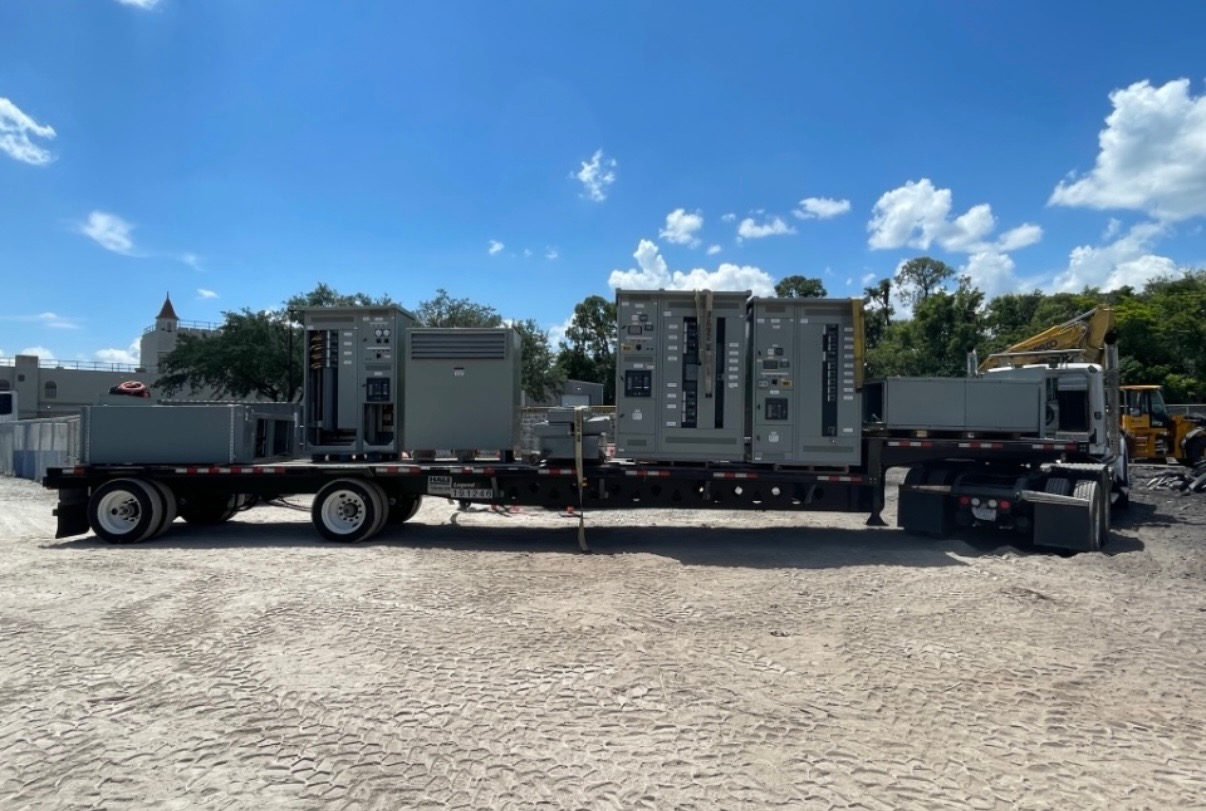
Custom assemblies to specification can account for project-defined circuit layouts, control and metering needs, interfaces, and physical constraints. Before design is finalized, reconcile the one-line diagram, equipment schedule, protection requirements, connection details, and any required communication or control signals. Identify who supplies and approves each interface, and flag changes to upstream or downstream equipment that could affect coordination. UL 891 may apply to suitable switchboard assemblies; it does not automatically apply to every product or to medium- or high-voltage switchgear. Applicable standards and any required listing depend on the design and project. Ask the manufacturer to identify the proposed assembly basis for review, and have qualified professionals confirm suitability and requirements with relevant authorities.
How do coordination and testing support confidence?
Coordination starts with consistent project documents and review among the equipment manufacturer, electrical engineer, contractor, and other responsible parties. Confirm who will provide protective-device settings, connection information, control logic, and approval of submittals; resolve discrepancies before release to production. Ask what inspections or tests are included for the specified assembly and what records will be supplied, without assuming that a particular test or certification is standard for every design. Testing can verify defined functions and workmanship, but it does not replace system studies, installation checks, or commissioning responsibilities. Work on equipment and commissioning procedures must be handled by qualified personnel under applicable safety practices. The coordination and testing topic pages explain useful questions to settle before procurement.
What are practical next steps for a new project?
Prepare the latest one-line diagram, load and fault-study information, equipment schedule, site constraints, and required operating features. Mark open decisions, such as future feeder provisions or control interfaces, instead of treating unknowns as confirmed requirements. Then request a specification review and clarify the proposed equipment type, applicable standards, submittal scope, testing, and project-dependent lead time. A US manufacturer using all-American components can build custom assemblies to specification and ship nationwide; suitability and timing still depend on the project review. For a Central Texas project, coordinate document reviews, approvals, site access, and delivery planning with the engineer and construction team. Use the detailed application, selection, reliability, and procurement pages to resolve each topic before authorizing production.
Project specification checklist
Use this checklist to organize the details for a project-specific review. Final ratings, applicable standards and equipment selections depend on the approved design.
| Item | What to confirm |
|---|---|
| System basis | Confirm voltage, load data, fault-study basis, source arrangement, and project drawings with the responsible electrical professional. |
| Operating needs | Define continuity priorities, maintenance approach, feeder isolation needs, and any planned expansion. |
| Physical conditions | Document installation location, environmental conditions, available space, access, and connection constraints. |
| Standards and listing | Determine applicable standards and whether a listing such as UL 891 applies to the specified assembly. |
| Interfaces and verification | Assign responsibility for protection, controls, metering, submittal approval, inspection, and specified test records. |
| Procurement planning | Confirm scope, approvals, project-dependent lead time, and coordination for delivery and site access. |