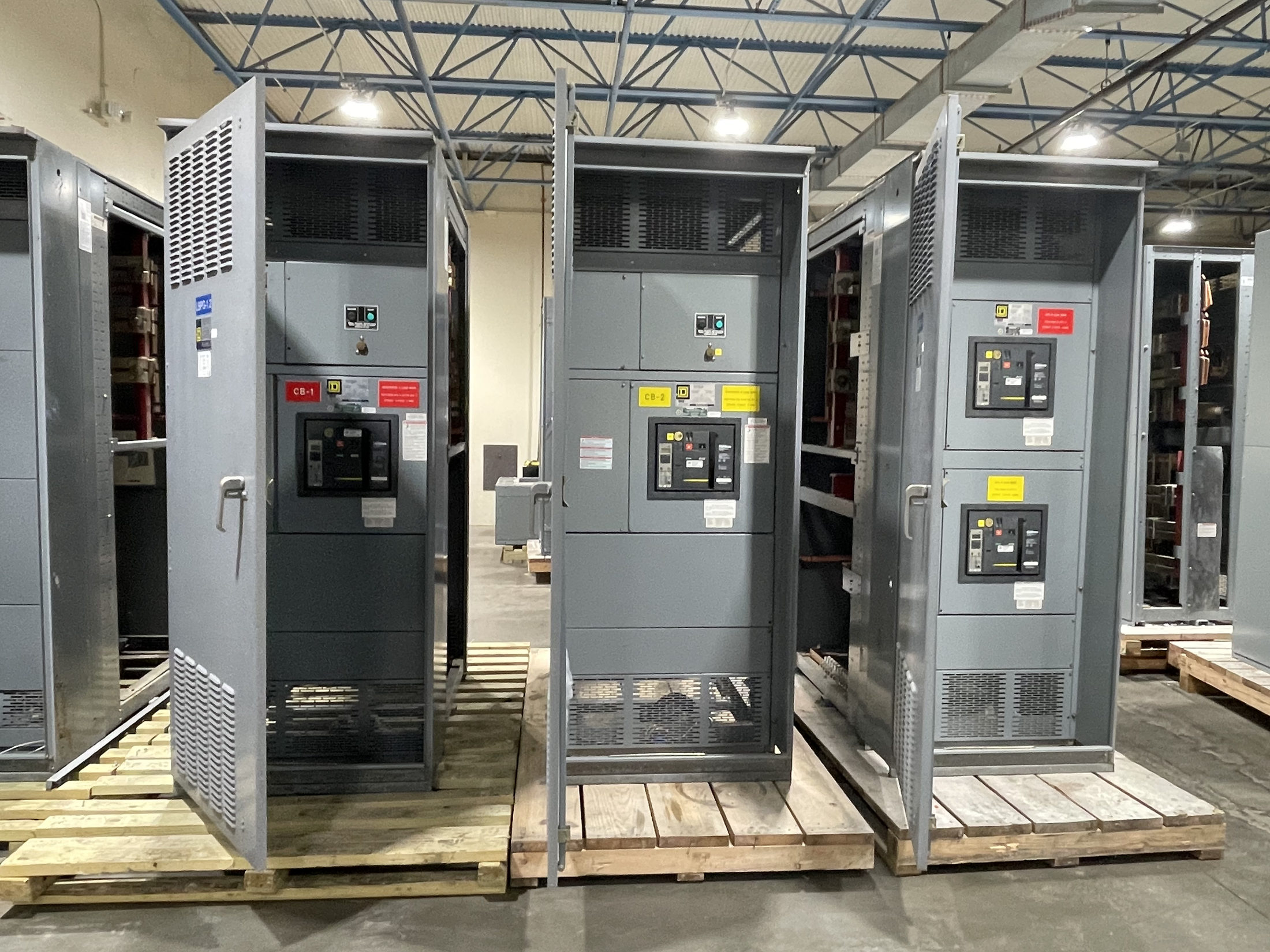
Start with the hospital’s continuity plan
Hospitals coordinate backup power by translating clinical priorities into an electrical distribution plan. The first task is to identify which functions must continue after a normal-source failure, which may be restored in stages, and which can be shed. Patient-care areas, life-safety systems, critical support equipment, and facility operations may have different continuity needs. The facility’s risk assessment and continuity plan should guide these distinctions rather than a generic “critical loads” label.
Bring facilities engineering, clinical stakeholders, electrical design professionals, and the authority having jurisdiction into early planning. Applicable health-care requirements depend on facility use, system design, adopted codes, and project scope. The design team should establish the governing requirements and document how essential electrical functions are classified before specifying new switchgear.
Map sources, transfer paths, and interfaces
The one-line diagram should show normal and alternate sources, transfer equipment, distribution sections, and the loads each path serves. Where emergency generators or other alternate sources are part of the design, confirm their electrical characteristics and operating sequence with the engineers responsible for those systems. Switchgear selection must account for the actual source arrangement, including any intended isolation, paralleling, or staged restoration; these are design decisions, not assumed features.
List interfaces with automatic transfer switches, generator controls, building-management or power-monitoring systems, protective relays, and downstream distribution equipment as applicable. Define signals, control power, communications, interlocks, and responsibility for each interface. Coordination is particularly important when equipment is supplied by multiple parties: mismatched control assumptions or unclear connection boundaries can undermine an otherwise sound design.
Select equipment from verified project data
Specify new switchgear from the project’s documented electrical conditions, not from a nominal description of the building. Qualified professionals should confirm system voltage, continuous and anticipated load, available fault current, protective-device coordination, grounding method, and required configuration. Bus and device ratings, interrupting or withstand capabilities, enclosure construction, environmental conditions, and access clearances must all be evaluated for the installation. No rating or enclosure type is suitable by default.
Identify whether the project calls for switchboards, low-voltage switchgear, or another assembly based on system voltage, function, and applicable standards. UL 891 applies to suitable switchboard assemblies; it should not be presumed to cover every switchgear product or system. The equipment submittal should state the applicable design and construction standards for the specific assembly, subject to project review and acceptance by the relevant professionals and authorities.
Plan for maintainability and safe operation
Reliability planning includes how equipment will be inspected, operated, and maintained over its service life. The facility team should consider access, working space, circuit identification, operational visibility, and how maintenance activities affect essential-load continuity. A design may use separate sections or alternate paths where justified, but the required arrangement depends on the facility’s operating plan, engineering analysis, and applicable health-care rules.
Establish operating sequences for normal-source loss, alternate-source availability, restoration, and return to normal. Determine who owns each procedure and how operators will recognize abnormal conditions. Switching and maintenance procedures should be developed by qualified personnel and follow the equipment instructions and site safety program; planning should not rely on working on energized equipment.
Coordinate procurement, submittals, and testing
Before procurement, assemble the current one-line diagram, load and fault studies, equipment schedules, control narratives, interface requirements, and installation constraints. Resolve open questions such as future-load provisions, metering, communications, and required section arrangement. Custom assemblies can be built to specification, but final design and lead time depend on the project’s requirements and review. A manufacturer’s submittal should be checked against the design documents before release for production.
Testing plans should cover the equipment and the integrated system at appropriate stages. Define factory and field checks with the responsible design team, installers, controls providers, facility operators, and authorities as required. Confirm what will be inspected or tested, acceptance criteria, test records, and how transfer and restoration sequences will be demonstrated. Equipment testing alone does not establish that every source, control interface, and essential-load sequence works as intended.
Prepare a practical project handoff
For an Austin or Central Texas hospital project, share the site’s delivery constraints, receiving contact, access rules, installation schedule, and coordination milestones with the project team early. A manufacturer building in the USA with all-American components can ship nationwide; shipment timing and lead time should be confirmed for the actual assembly and schedule. These logistics do not replace site-specific review of dimensions, routes, electrical interfaces, or installation requirements.
A useful next step is a coordinated design review that closes gaps among the one-line, equipment specification, controls narrative, and essential-load sequence. Ask the electrical engineer to identify the governing health-care requirements and confirm standards, ratings, and acceptance criteria with the relevant authorities. Then confirm submittal responsibilities, interface ownership, testing scope, and schedule assumptions before releasing new switchgear for production.
Project specification checklist
Use this checklist to organize the details for a project-specific review. Final ratings, applicable standards and equipment selections depend on the approved design.
| Item | What to confirm |
|---|---|
| Essential-load plan | Confirm load classifications, restoration priorities, and any staged or shed-load sequence with the facility and design team. |
| Source and transfer scheme | Document normal and alternate sources, transfer equipment, operating modes, and control interfaces. |
| Electrical ratings | Verify voltage, load, fault-current conditions, protective coordination, and required device and bus ratings for the project. |
| Applicable standards | Identify standards and health-care requirements applicable to the specific equipment, facility, and adopted code basis. |
| Integration and acceptance | Assign interface ownership and agree on submittal reviews, testing scope, acceptance criteria, and records. |
| Delivery coordination | Confirm assembly dimensions, receiving and access constraints, project milestones, and project-specific lead time. |