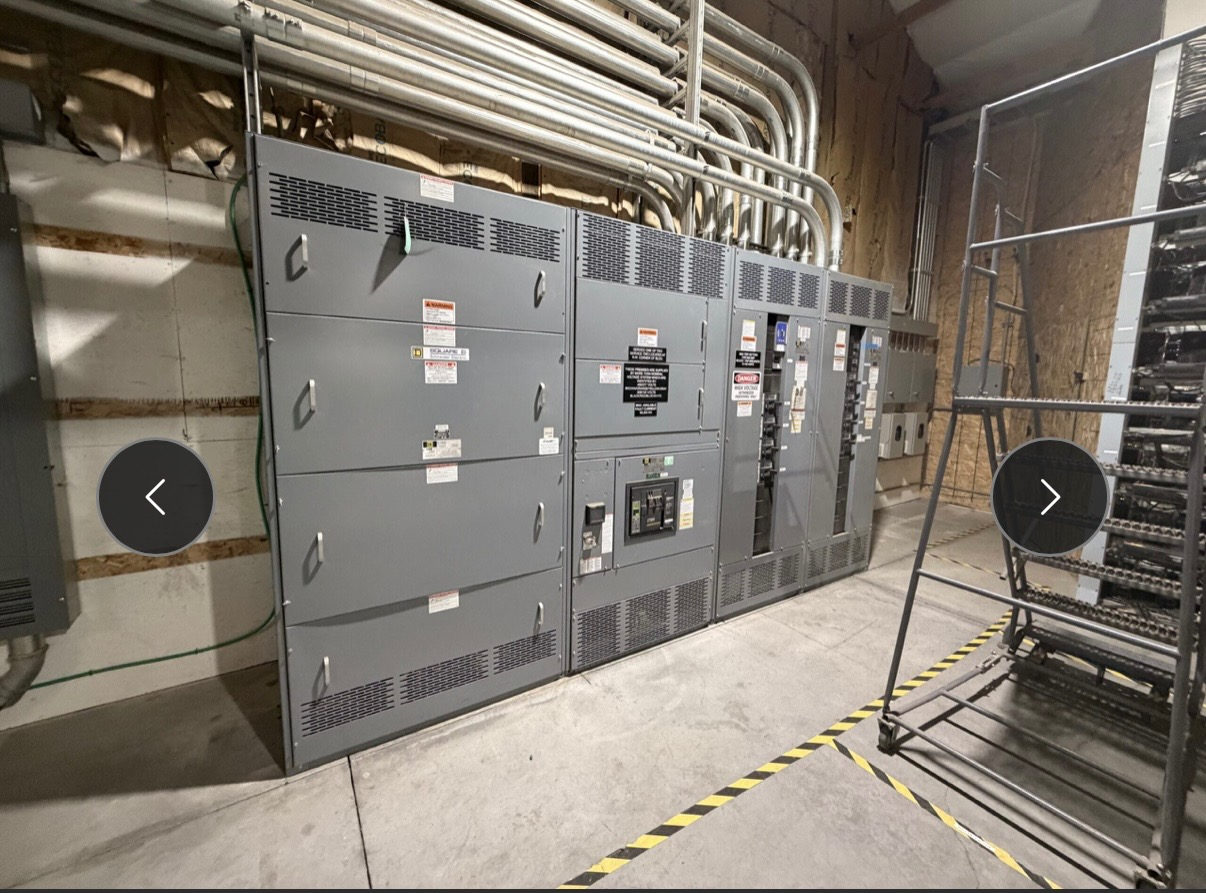
What does Central Texas service cover?
This Central Texas service FAQ is for owners, contractors, engineers, and facility teams planning a project with new electrical equipment. The manufacturer serves Central Texas from its US manufacturing operations; this does not imply a local factory or office. Equipment can be shipped nationwide, with project logistics and timing confirmed for the specific order. Early discussion helps determine whether the request concerns a switchboard, low-voltage switchgear, or another type of assembly, since names are not always used consistently and the design requirements differ.
Start by identifying the project location, the equipment’s role, and the people responsible for design and installation. Then share the applicable drawings or specifications, if available. These details help establish whether the project is a replacement, a new facility, or an expansion and what coordination is needed. Service-area coverage does not by itself establish product suitability, a delivery date, or an installation arrangement.
How do I identify the right equipment?
The equipment choice depends on the electrical system and the job it must perform—not simply on a requested product name. Confirm system voltage, operating conditions, feeder and load information, fault-current requirements, switching or protection functions, and the available installation space with the project’s qualified electrical professionals. The project documents should also clarify whether the application calls for a switchboard, low-voltage switchgear, medium-voltage equipment, or a different assembly.
Do not treat an amperage, short-circuit rating, or enclosure designation as a default capability. Each must be evaluated against the system study, environment, applicable code and standards, and the intended configuration. UL 891 applies to suitable switchboards; it is not a blanket listing for every assembly or for medium- or high-voltage equipment. The detailed switchgear and switchboard topic pages can help distinguish equipment categories before the team settles the specification.
What should the project specification include?
A useful inquiry describes the electrical requirements and the project interfaces, not just a desired lineup size. Include one-line diagrams, equipment schedules, relevant specifications, connection details, and known site constraints when available. Identify incoming and outgoing arrangements, control and metering needs, future provisions, and any requirements for access or cable entry. These inputs give the manufacturer a basis for reviewing a custom assembly to specification rather than assuming a standard arrangement will fit.
Design choices should be resolved with the engineer of record and other responsible parties. They may affect component selection, compartment arrangement, dimensions, labeling, and coordination with adjacent equipment. Provide the applicable standards and any required documentation for review, but do not assume an unverified certification or utility approval. The final configuration, ratings, and standards depend on the design and project review.
How are design, testing, and installation coordinated?
Coordination is most effective when the owner, engineer, contractor, and equipment supplier work from the same current documents. Confirm who owns design decisions, who approves submittals, and how drawing revisions will be tracked. The installation team should verify room layout, access route, anchoring and interface requirements, and cable routing against the selected equipment before those details are treated as final. Site and installation conditions cannot be established from a service-area inquiry alone.
Ask what inspections, factory checks, or project-specific tests are included in the proposed scope, and which checks remain with the installing contractor or qualified testing provider. Acceptance criteria and applicable procedures should be stated in project documents. Review any test records and equipment documentation with the responsible professionals before energization. Never use this FAQ as instruction to work on energized equipment; safety planning and work practices belong to qualified personnel under applicable requirements.
What affects procurement and lead time?
Procurement planning begins with a sufficiently complete, coordinated specification. Open questions about ratings, configuration, interfaces, or approvals can affect design review and the order schedule, so identify them early and assign an owner for resolution. Lead time is determined by the project; no general service-area statement can promise availability or a delivery date. Request a project-specific schedule after the scope and required review information are understood.
The manufacturer builds in the USA using all-American components and can ship nationwide. For a Central Texas project, coordinate the delivery location, receiving contact, access limitations, and the construction sequence with the project team. Confirm shipping scope and timing in the order documents rather than assuming delivery includes unloading, placement, or installation. If the project requires a suitable UL 891 assembly, identify that requirement for review; applicability depends on the actual equipment and design.
What are the practical next steps?
To start a useful service-area discussion, prepare the project city, project phase, equipment function, target decision date, and the best available one-line diagram or specification. Note whether the team needs help distinguishing equipment categories, developing a custom assembly, or reviewing an existing design package. Include known constraints such as a planned outage window or delivery access only as project information—not as a promise that a particular schedule or arrangement can be met.
Ask for a review of the proposed scope, unresolved technical inputs, applicable standards, submittal milestones, and the information needed for a project-specific lead-time discussion. Route rating, protection, code, and installation decisions to qualified electrical professionals and relevant authorities. The detailed pages on switchgear, switchboards, custom assemblies, and project coordination can support those conversations; the project documents and responsible reviewers determine the final selection.
Project specification checklist
Use this checklist to organize the details for a project-specific review. Final ratings, applicable standards and equipment selections depend on the approved design.
| Item | What to confirm |
|---|---|
| Application | Confirm the equipment function and whether the project calls for a switchboard, low-voltage switchgear, medium-voltage equipment, or another assembly. |
| Electrical requirements | Have qualified professionals establish voltage, load, fault-current, protection, and other system requirements from project documents. |
| Configuration and interfaces | Document lineup arrangement, connections, controls, metering, future provisions, and interfaces with adjacent equipment. |
| Standards and listing | Identify applicable standards and any requested listing; confirm applicability for the specific assembly and design. |
| Coordination and testing | Assign drawing review and revision responsibilities, and define project-specific inspection, testing, and acceptance scope. |
| Procurement and logistics | Confirm scope, submittal milestones, project-specific lead time, delivery location, receiving requirements, and site access. |