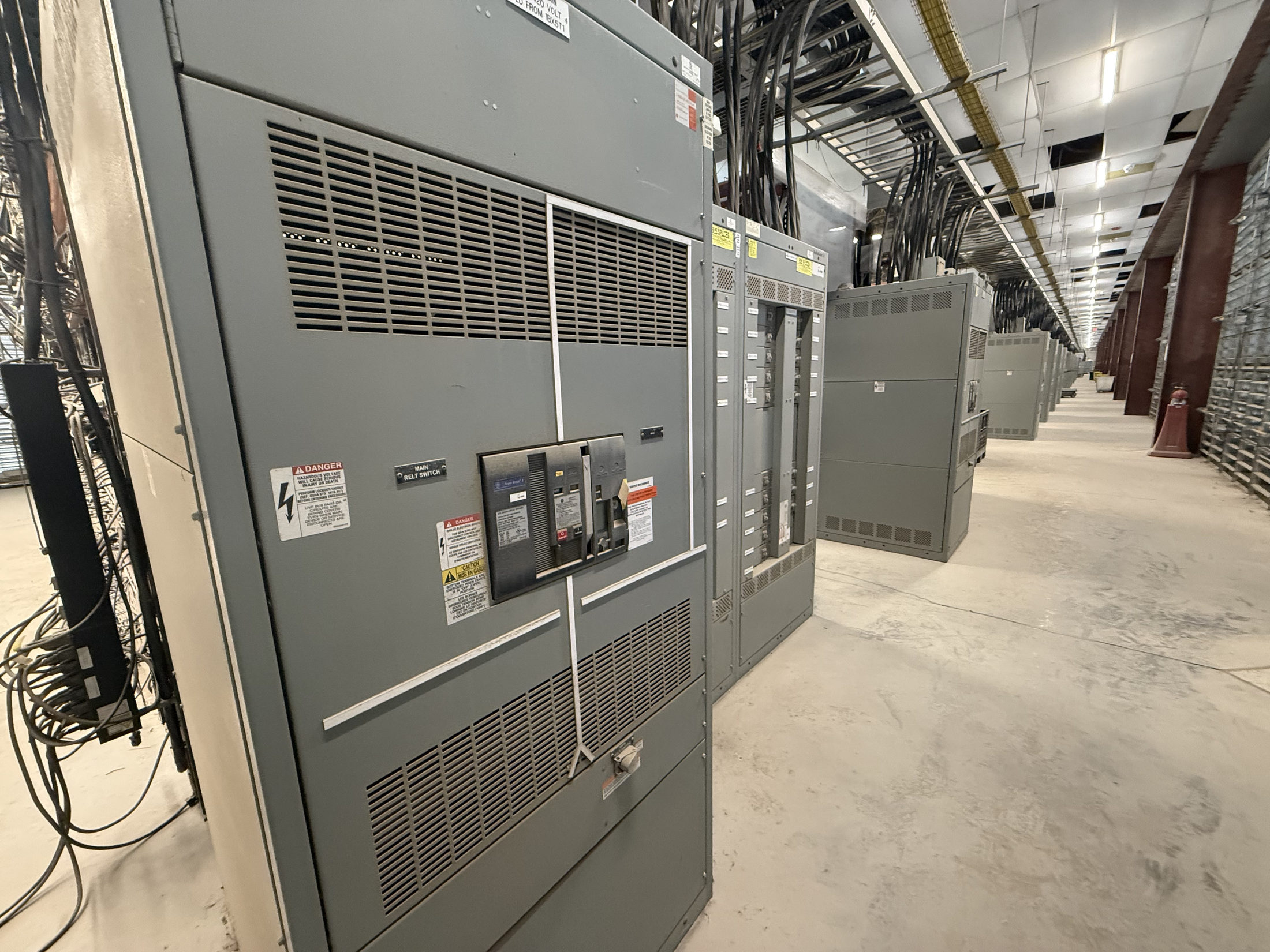
Yes—Round Rock projects can request a new-equipment quote
Customers in Round Rock can request a quote for new switchgear manufactured in the USA with all-American components. A useful inquiry starts with the electrical application: what the equipment will serve, whether it is new construction or a replacement, and how it fits into the facility’s distribution system. Include the project location in Round Rock and the anticipated delivery window so shipping and schedule coordination can be considered. Equipment is available for shipment nationwide; this does not imply a local factory, office, installation service, or a guaranteed delivery date.
A quote request is a starting point for technical review, not confirmation that a particular design, rating, listing, price, or lead time is suitable or available. Custom assemblies can be developed to project specifications, subject to review. Share the documents and decisions already established, and identify open items rather than guessing. Qualified electrical professionals should validate the design, and applicable authorities may have requirements that affect selection and approval.
Describe the application and existing distribution
Explain what the assembly will do: for example, distribute power to building loads, support a planned expansion, or replace existing equipment. Identify the facility type and the system’s role in the overall distribution arrangement. For a replacement, provide existing equipment information and clarify which parts of the installation are expected to remain. For a new system, describe the upstream source and downstream loads as far as the design team has established them.
Useful attachments may include one-line diagrams, electrical specifications, load information, equipment schedules, and photographs or drawings that show relevant interfaces. Mark documents as preliminary when they are not approved for construction. If records conflict or important details are unknown, flag the uncertainty for follow-up. A quote based on incomplete inputs may need revision after the project’s electrical professionals confirm conditions and requirements.
Provide technical criteria for equipment selection
Share the system voltage, phase and frequency, anticipated load or bus requirements, and any available fault-current or short-circuit information. These values must be verified for the project; they are not universal capabilities or assumptions about an acceptable assembly. Describe the intended operating arrangement, feeder count, protective devices, metering, control needs, and any source or transfer scheme relevant to the design. Identify the governing project specification and applicable standards if known.
Also state the installation environment and constraints, such as indoor or outdoor placement, space limitations, access for handling, and the intended cable or bus connections. Enclosure construction and environmental suitability must be selected for actual site conditions. Do not infer an enclosure type or rating from a photograph or a neighboring installation. Qualified electrical professionals and relevant authorities must review the application and confirm required ratings and standards before final selection.
Clarify interfaces and custom design choices
A quote is more useful when it identifies what the new assembly must connect to and what other project teams will provide. Note upstream protective equipment, downstream distribution, incoming and outgoing conductor arrangements, grounding provisions, and any control, communications, or metering interfaces. Provide connection drawings or interface requirements where available. Identify restrictions on footprint, equipment lineup, cable entry, access, and coordination with adjacent gear so the proposed configuration can be evaluated against the site design.
Custom assemblies can be configured to specification, but each option depends on the application and review. Indicate preferred arrangements and distinguish them from mandatory requirements. List requested accessories or features only when their purpose is clear, and identify who will supply or coordinate external components. UL 891 may apply to suitable switchboard assemblies; it should not be assumed for every product or for medium- or high-voltage equipment. Applicable standards and any listing expectations require project-specific confirmation.
Align review, testing, and procurement expectations
Before procurement, reconcile the quote scope with the latest one-line diagram, equipment schedule, written specification, and interface documents. Identify who will review submittals and resolve technical questions, and note any required coordination with the engineer, electrical contractor, owner, or other project participants. If project requirements call for particular inspection, testing, or documentation, state them in the inquiry for review. The appropriate tests and acceptance criteria depend on the assembly design and contract requirements; no testing scope should be assumed from a preliminary request.
Include the target need-by date, delivery constraints, receiving hours or restrictions, and the destination details needed to plan shipment to Round Rock. Short lead times may be possible depending on the project, but timing is determined by design review, scope, and other project-specific factors. Ask which information remains outstanding and when it must be resolved. Do not treat an initial estimate as a committed schedule until the scope and procurement terms are confirmed.
Prepare a complete Round Rock quote request
For a practical next step, send the project description, destination in Round Rock, current drawings and specifications, known system data, equipment interfaces, and requested schedule. Add a concise list of decisions still pending—for example, final load data, fault-current confirmation, enclosure selection, or authority review. State whether the request is budgetary or intended for a defined procurement package, and identify the revision and date of each document. This helps reviewers distinguish current requirements from superseded information.
After submission, be prepared to answer questions about conflicts, missing values, or options that affect scope. Review any proposed configuration with the project’s qualified electrical professionals and the relevant authorities before release. Confirm in writing the final equipment scope, applicable standards, required documentation and testing, delivery terms, and schedule basis. This focused exchange gives a Round Rock team a clearer path from inquiry to a technically reviewed quote for new switchgear without assuming that unverified site conditions or requirements have already been resolved.
Project specification checklist
Use this checklist to organize the details for a project-specific review. Final ratings, applicable standards and equipment selections depend on the approved design.
| Item | What to confirm |
|---|---|
| Application and scope | Describe the equipment function, project phase, and whether the request concerns new distribution or replacement. |
| System information | Provide verified voltage, phase, frequency, load, available fault-current data, and required protective-device details when known. |
| Interfaces and layout | Confirm upstream and downstream connections, conductor entry, controls, metering, footprint, access, and site constraints. |
| Standards and documentation | Identify project specifications, expected listings, submittals, and any testing or acceptance requirements for review. |
| Delivery and schedule | Provide the Round Rock destination, receiving constraints, target date, and whether timing is preliminary or committed. |