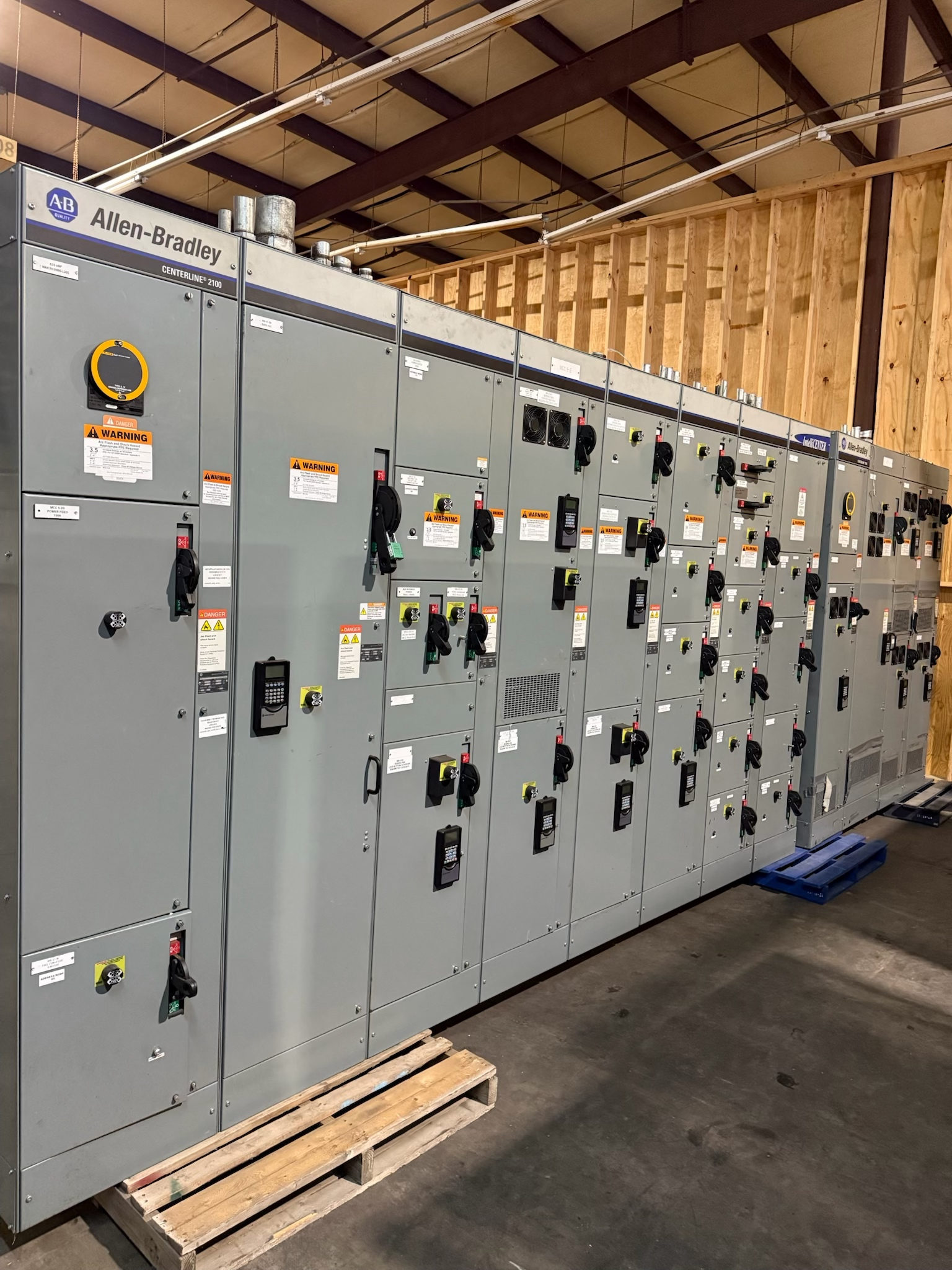
Why the distinction matters
People often use “switchgear” as a broad term for equipment that controls, protects, and isolates electrical circuits. A switchboard is a specific type of low-voltage distribution assembly. The distinction matters when preparing drawings, requesting a quotation, or checking whether proposed equipment matches the project’s electrical design. A label alone does not establish voltage class, protective function, construction, or compliance. For a facility planning new equipment, start with the one-line diagram and the intended role of each assembly: incoming service, distribution, motor or feeder protection, or another defined function. Qualified electrical professionals should verify the application and coordinate the specification with relevant authorities.
How the equipment functions
Switchgear commonly refers to assemblies containing switching and protective devices used to control, isolate, and protect circuits. The term can describe equipment across different voltage classes, with the design and devices varying by application. A switchboard generally distributes power to multiple circuits through an assembly of buses and protective devices, typically in low-voltage applications. Depending on the project, it may include a main device, feeder devices, metering, or other specified components. Neither name by itself confirms that an assembly can perform a particular protective duty or withstand a particular fault condition. Confirm the required functions, operating arrangement, and system conditions rather than selecting by terminology alone.
Standards depend on design and use
UL 891 applies to suitable switchboard assemblies; it should not be treated as a blanket listing for every switchboard, switchgear assembly, or product. In particular, it does not automatically apply to medium-voltage or high-voltage switchgear. Other equipment and applications follow different applicable standards, and the correct requirements depend on the assembly’s design, voltage class, intended use, and project jurisdiction. Ask which standards and certifications apply to the proposed configuration, and request documentation appropriate to that equipment. Listing status and standard applicability must be confirmed for the actual design. The project’s qualified electrical professionals and relevant authorities should resolve requirements before procurement, not infer them from a product category or marketing description.
Inputs that guide selection
A useful equipment specification identifies system voltage and frequency, available fault-current information, required continuous current, incoming and outgoing circuit arrangements, and the protective functions required. It also states the service conditions, installation environment, access constraints, and any limits on dimensions or connections. These are project inputs, not universal ratings: values and acceptable designs must be established for the specific system. Clarify whether the equipment serves as service equipment, a distribution point, or part of a larger lineup, and identify upstream and downstream devices. Include metering, control, communications, and future circuit needs where they are part of the design. Missing or inconsistent inputs can affect both equipment selection and coordination.
Interfaces, configuration, and verification
A switchboard or switchgear assembly must fit into the electrical system around it. Confirm cable or bus connections, phase and neutral arrangements, grounding provisions, device coordination, protective settings responsibilities, metering interfaces, and any required control or communications signals. Review room access, working clearances, transportation path, and the sequence for connecting the assembly with other project equipment. The manufacturer can build custom assemblies to specification, but a requested configuration still requires engineering review for suitability and applicable standards. Before release, align the one-line diagram, equipment schedules, drawings, and submittal requirements. Define what design reviews and factory testing are required by the project, and verify the scope and acceptance criteria rather than assuming a standard test package.
From comparison to a purchase decision
To move from “switchgear or switchboard?” to a procurement decision, provide the current one-line diagram, equipment schedule, system data, required functions, applicable project standards, and site interface constraints. Ask the manufacturer to identify the proposed equipment category, configuration, applicable standards, exceptions, and information still needed to complete the design. Compare proposals on functional fit and documented scope, not on the product name alone. For new equipment, US manufacturing and all-American components may be relevant procurement criteria; confirm how they apply to the requested assembly. Lead time depends on the project and should be confirmed with the quotation. A clear specification review helps resolve open questions before drawings are approved and equipment is released.
Project specification checklist
Use this checklist to organize the details for a project-specific review. Final ratings, applicable standards and equipment selections depend on the approved design.
| Item | What to confirm |
|---|---|
| Equipment function | Confirm whether the assembly controls, protects, isolates, or distributes power, and identify its position in the system. |
| System data | Provide verified voltage, frequency, fault-current information, load requirements, and upstream and downstream device details. |
| Standards and listing | Confirm standards and any listing requirements for the specific design, application, and jurisdiction; do not infer applicability from the name. |
| Connections and interfaces | Specify incoming and outgoing connections, grounding, metering, control, communications, and coordination needs. |
| Physical and project constraints | Document installation environment, dimensions, access and transport limits, schedule needs, and required drawing or test reviews. |