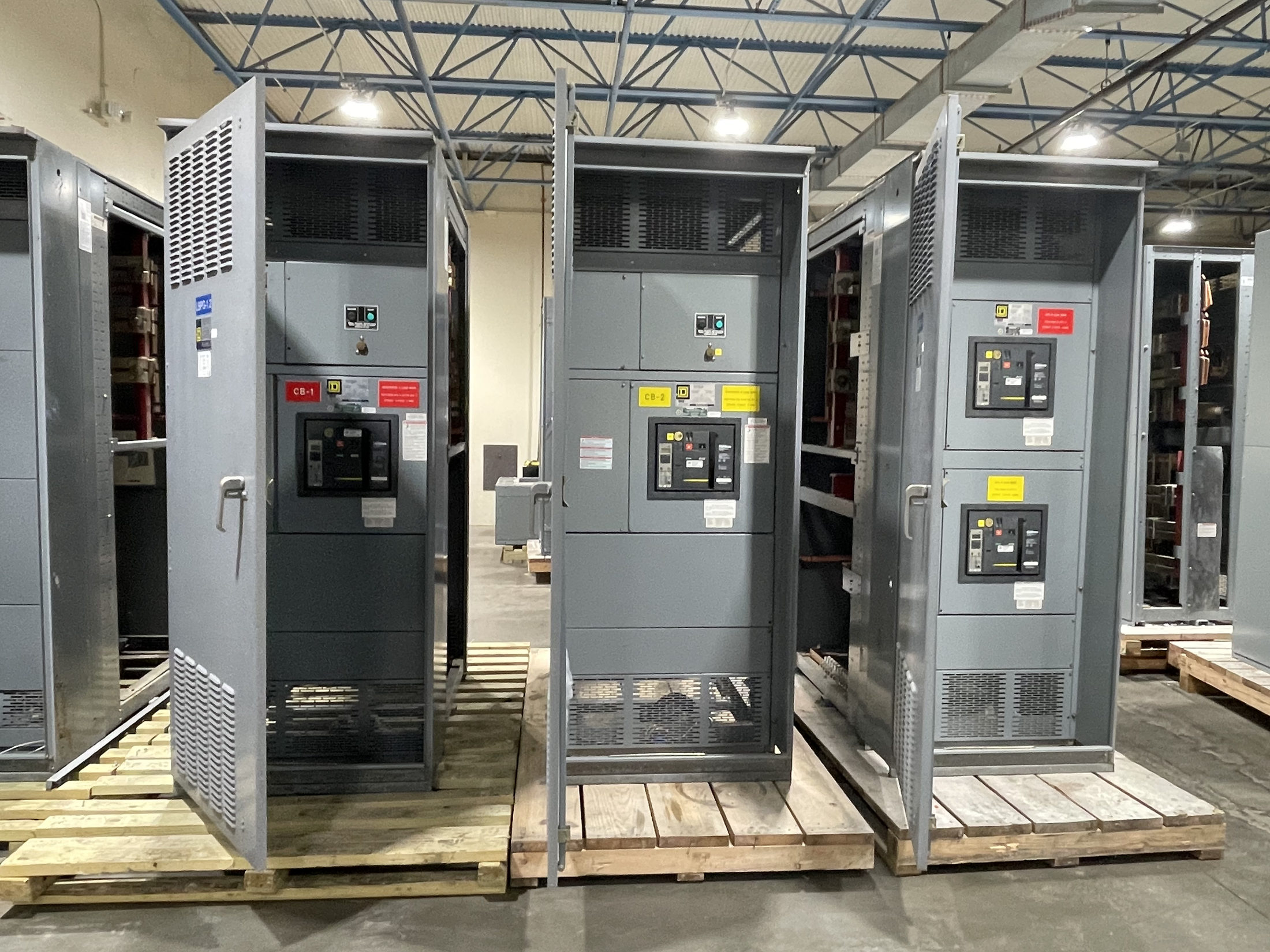
Frequency Definition: Cycles per Second
Frequency is the rate at which an alternating-current waveform completes cycles, expressed in hertz (Hz). One hertz means one complete cycle per second. In a typical AC system, voltage and current periodically change magnitude and direction; frequency describes how often that pattern repeats, not how large the voltage is or how much current the equipment can carry. This distinction matters when reading electrical ratings: frequency is one system characteristic among several, alongside voltage, phase, current, and fault-current requirements. For a glossary reader evaluating new switchgear, the practical question is whether the proposed equipment is designed and rated for the frequency of the system it will serve.
Frequency is often treated as a fixed system value, but it should still be stated and verified in project documents. Do not infer it from a facility’s location, an existing panel label, or a familiar nominal voltage. Confirm the intended supply characteristics with the electrical design team and relevant utility or source documentation. If a facility has more than one source, such as normal and standby power, determine whether their frequency characteristics match and how transfer or operating arrangements affect equipment requirements. The equipment specification should make the intended frequency clear so design review, procurement, and testing use the same basis.
Why Frequency Matters to Switchgear Selection
Switchgear must be selected for the electrical system it connects to, and frequency is part of that system definition. The equipment’s design, components, and applicable ratings may depend on the stated frequency. A frequency mismatch should not be dismissed as a labeling issue or assumed acceptable because voltage and current values appear suitable. Instead, the manufacturer and qualified electrical professionals need to review the proposed application against the equipment design and documentation. Frequency alone does not establish suitability: the complete operating conditions and ratings must be considered together.
When preparing a new switchgear specification, identify the nominal system frequency and any expected operating conditions that could affect it. Clarify whether the equipment will serve a single source, multiple sources, or a system with conversion equipment. If a frequency converter or other power-electronic interface is involved, document what electrical characteristics appear at the switchgear connection point; the source-side and load-side conditions may differ. Do not assume an assembly can accommodate every frequency or source arrangement. Suitability, applicable standards, and any product listing must be verified for the specific design and project.
System Inputs to Confirm Before Design
Frequency is most useful when recorded with the rest of the system inputs. Provide the nominal voltage, number of phases and conductors, expected continuous load, available fault-current information, grounding arrangement, and source details as established by the project’s qualified electrical professionals. Identify whether the system is 50 Hz, 60 Hz, or another specified value rather than leaving frequency implicit. These details help the equipment supplier assess the intended application and identify information still needed before a design can be finalized. Do not use an assumed value or an isolated nameplate figure as a substitute for coordinated project documents.
Also describe the operating context: normal and alternate sources, generator or converter interfaces, transfer equipment, and any loads with frequency-sensitive requirements. Where source characteristics may vary, provide the documented range and operating conditions rather than reducing them to a single unsupported number. The design team should reconcile discrepancies among drawings, equipment schedules, existing records, and source documentation before release. These inputs influence more than procurement: they support interface definition, protection and control coordination, and the basis for inspection and testing. Final equipment choices require review by qualified electrical professionals and relevant authorities.
Interfaces, Controls, and Connected Loads
Frequency can affect equipment beyond the switchgear itself, so define the electrical interfaces clearly. Show the point where the incoming source connects, the downstream distribution arrangement, and any generator, transformer, transfer device, or frequency-conversion equipment that forms part of the system. Identify which party supplies information for each interface and which documents govern the design. A mismatch between the stated system frequency and the characteristics of connected equipment can create coordination questions even when the switchgear’s basic voltage and current requirements appear aligned.
Review connected loads and control functions for frequency-dependent requirements. Motors, timing functions, protective devices, metering, and control power components may each have their own stated operating conditions; the project team should verify their compatibility rather than presume that one system-wide frequency statement settles every component question. Confirm how source transitions are intended to operate and what conditions should be represented during testing. If there are special operating modes, include them in the specification and interface schedule. This makes responsibilities and assumptions visible before a custom assembly is released for design or manufacture.
Design Review and Verification
Before ordering, compare the frequency stated in the equipment specification with the one-line diagram, load information, source documents, and connected-device requirements. Ask the manufacturer to review the actual application and proposed assembly, including its stated ratings and relevant design documentation. Standards and listings depend on equipment type and design; UL 891 applies to suitable switchboard assemblies and should not be assumed for every switchgear product. Frequency does not by itself determine standard applicability or establish a listing. Record any unresolved questions and obtain confirmation from the responsible design professionals and relevant authorities before approving the equipment.
Testing and commissioning plans should reflect the project’s documented operating conditions and interfaces. Agree on what factory or field checks are applicable, who will perform them, and what records will demonstrate that the assembly matches the approved design. Do not rely on a generic test description to prove compatibility with an unusual source or converter arrangement; define that verification with the project team. Work involving electrical equipment must be planned and performed by qualified personnel under applicable safety procedures. No frequency value alone establishes that equipment is safe to energize or operate.
Procurement Steps for New Switchgear
For procurement, provide a clear frequency statement in the inquiry package and attach the current one-line diagram, equipment schedule, source details, and interface requirements. Note whether the design is preliminary or approved, identify open technical questions, and request that the proposed assembly’s frequency suitability be confirmed in writing as part of the submittal review. Custom assemblies can be built to project specifications, but design choices, applicable standards, and lead time depend on the complete project requirements. For a Central Texas project or a facility elsewhere, clarify the ship-to location, delivery constraints, and coordination milestones; nationwide shipment does not replace site-specific planning.
A practical next step is to assign the electrical design professional to reconcile system frequency across source and load documents, then send that coordinated information with the switchgear request. Review the resulting submittal for frequency, voltage, phase, ratings, source arrangement, interfaces, and any applicable listing or standard claims before approval. Ask for revisions if the documents conflict or leave operating conditions unstated. This disciplined check helps prevent a seemingly small glossary term from becoming an avoidable design or procurement gap. The final selection remains project-specific and should be accepted only after qualified review.
Project specification checklist
Use this checklist to organize the details for a project-specific review. Final ratings, applicable standards and equipment selections depend on the approved design.
| Item | What to confirm |
|---|---|
| Nominal frequency | State the intended system frequency and confirm it against source documentation and coordinated project drawings. |
| Source arrangement | Identify normal and alternate sources, transfer arrangements, and any generator or converter interfaces affecting the connection point. |
| System characteristics | Provide voltage, phase, conductors, grounding, load, and fault-current information for qualified design review. |
| Connected equipment | Verify frequency requirements for loads, controls, protective devices, metering, and other connected components. |
| Verification basis | Confirm applicable design documentation, standards or listings, and project-specific inspection and testing responsibilities. |
| Procurement coordination | Submit current drawings and interface requirements; confirm submittal milestones, shipment destination, and project-dependent lead time. |