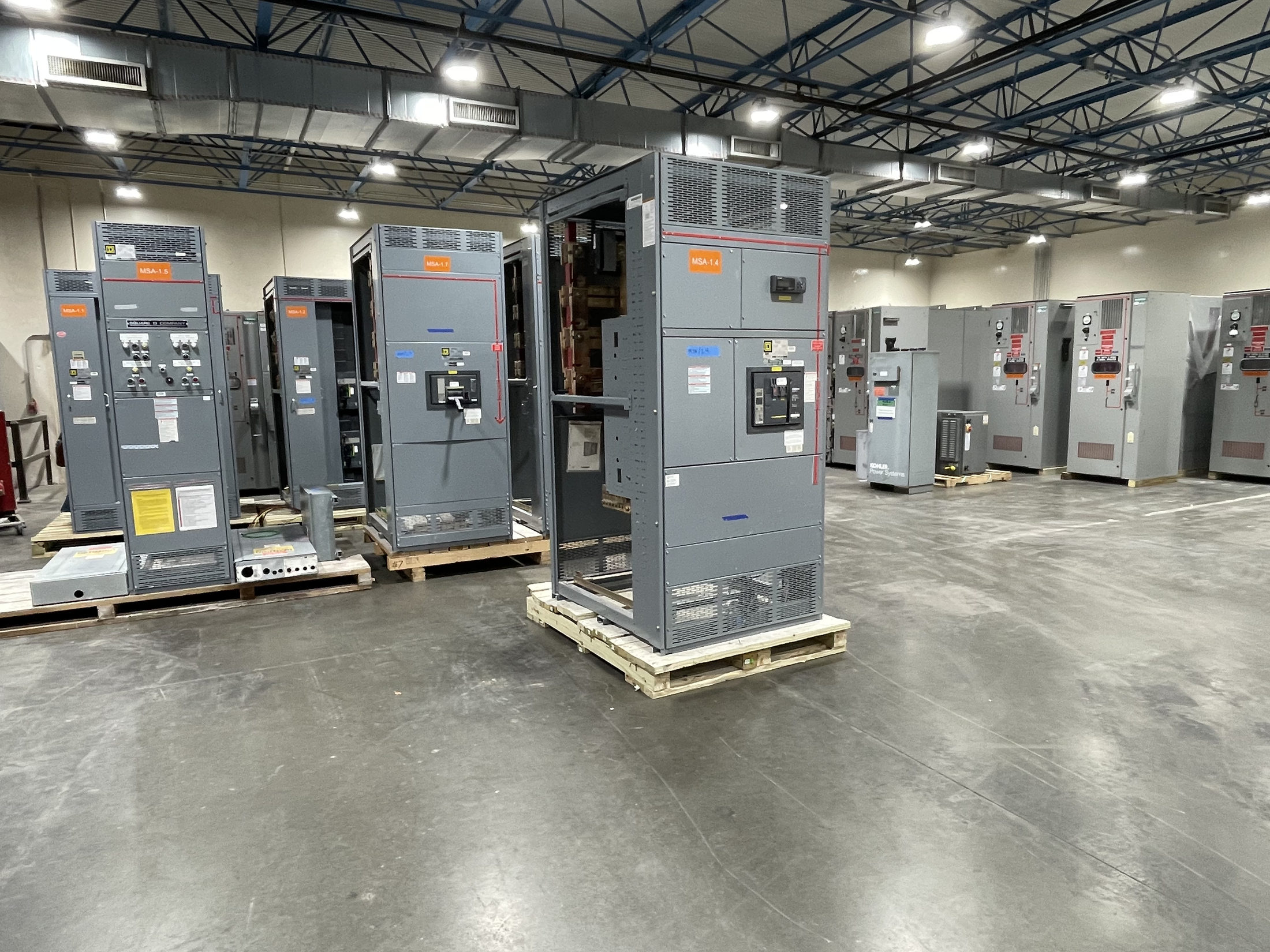
What a Change Order Means for a Switchgear Project
A change order is a documented, authorized revision to an existing contract. In a new switchgear procurement, it may change the equipment scope, commercial terms, schedule, or agreed project responsibilities. A discussion, request, marked-up drawing, or revised quotation is not necessarily an approved change. The contract’s change procedure determines who may authorize a revision, what documentation is required, and when the revised terms take effect. Confirm that procedure before treating a requested adjustment as part of the manufacturer’s obligation.
For procurement and project teams, the definition matters because switchgear decisions are interdependent. A change to the equipment lineup may affect drawings, interfaces, testing plans, pricing, and delivery assumptions. A clear change order records both what is different and what remains unchanged, giving the manufacturer and customer a shared basis for proceeding.
Identify the Trigger and Record the Requested Revision
Start by identifying the event or decision behind the request. Examples can include a revised load schedule, changed site interface, updated one-line diagram, or a customer decision to modify the project scope. These are possible triggers, not automatic grounds for a particular cost or schedule adjustment; the contract and project facts control. Record the request date, originating party, affected documents, reason, and the decision needed.
Describe the requested revision precisely enough to review. Instead of “change the switchgear,” identify the affected lineup, compartment, connection, drawing, or contractual clause, where applicable. Distinguish a proposed change from a confirmed requirement, and state whether the request replaces earlier direction or adds to it. This reduces the risk that engineering and procurement act on different versions of the scope.
Review Technical Inputs and Equipment Selection
Before approving a change order involving new switchgear, qualified electrical professionals should review the current project inputs. These may include the one-line diagram, load and fault information, system voltage, operating arrangement, environmental conditions, physical constraints, and applicable project specifications. The equipment’s interrupting or withstand requirements, current ratings, enclosure details, and other selections must be evaluated for the specific application; no rating or construction choice is universal.
Determine whether the revision changes the equipment design or only a contractual term. A change to a connection, protective-device requirement, control interface, or physical arrangement can have consequences beyond the item named in the request. Confirm applicable standards and any required product listing for the proposed assembly rather than assuming they carry over. UL 891 may apply to suitable switchboard assemblies, but it does not automatically apply to every switchgear product.
Check Interfaces, Drawings, and Verification Needs
A proposed scope revision should be checked against project interfaces. Review connections to upstream and downstream equipment, utility or facility requirements supplied for the project, control and communications points, cable entry, clearances, and installation constraints. Identify which party supplies each interface input and who must review revised documents. Any site condition or external requirement should be confirmed with the responsible project participants; it should not be inferred from a general description of the change.
Decide whether drawings, submittals, inspection points, or testing plans need revision. The appropriate verification depends on the equipment design, contract, and applicable requirements. Record what will be checked, by whom, and against which approved revision. Do not treat a change order as evidence that testing, certification, or approval has occurred. Where authorities or other project stakeholders have review responsibilities, coordinate the revised information through the established project process.
Document Commercial Terms and Authorization
A complete change order should describe the revised scope, its price or other commercial effect, and any schedule adjustment or stated schedule assumptions. It should identify affected contract documents and clarify whether the change alters responsibilities, deliverables, or acceptance criteria. If an impact cannot yet be determined, document that uncertainty and the process for resolving it rather than presenting an unverified outcome as settled.
Use the contract’s authorization process before directing work on the changed scope. Confirm that the approver has authority, that required technical reviews are complete, and that the customer and manufacturer hold the same approved version. Keep the signed or otherwise formally authorized change order with the contract record, along with revised drawings and related correspondence. This creates an auditable reference for procurement, engineering, production planning, and later project decisions.
Practical Next Steps Before Proceeding
When a change is proposed, first pause any affected procurement or design decision that depends on the unresolved input, consistent with the contract and project controls. Gather the current specification, approved drawings, the requested revision, and relevant interface information. Ask the responsible electrical professional to assess technical implications; ask the authorized commercial representatives to determine contractual and pricing treatment. New switchgear is built to the project’s agreed scope, so unresolved selections should not be treated as confirmed requirements.
A practical review closes with a written decision: approve the defined revision, reject it, or request additional information. If approved, distribute the authorized change order and revised documents to every party responsible for design coordination, purchasing, review, or testing. Confirm document revision identifiers and any schedule assumptions in the project record. For a project involving custom assemblies or nationwide shipment, coordinate procurement and shipping expectations with the manufacturer as part of the documented revision, without assuming availability or delivery timing until confirmed.
Project specification checklist
Use this checklist to organize the details for a project-specific review. Final ratings, applicable standards and equipment selections depend on the approved design.
| Item | What to confirm |
|---|---|
| Authorization | Confirm the contract’s required approver, approval method, and effective date for the change. |
| Scope and documents | Identify affected equipment, contract clauses, drawings, specifications, and revision identifiers. |
| Technical inputs | Verify current system data, application requirements, interfaces, and selections with qualified electrical professionals. |
| Verification and approvals | Determine which revised documents, tests, reviews, or authority approvals are required for the specific project. |
| Commercial and schedule impact | Record confirmed price and schedule effects, assumptions, responsibilities, and any unresolved impact. |