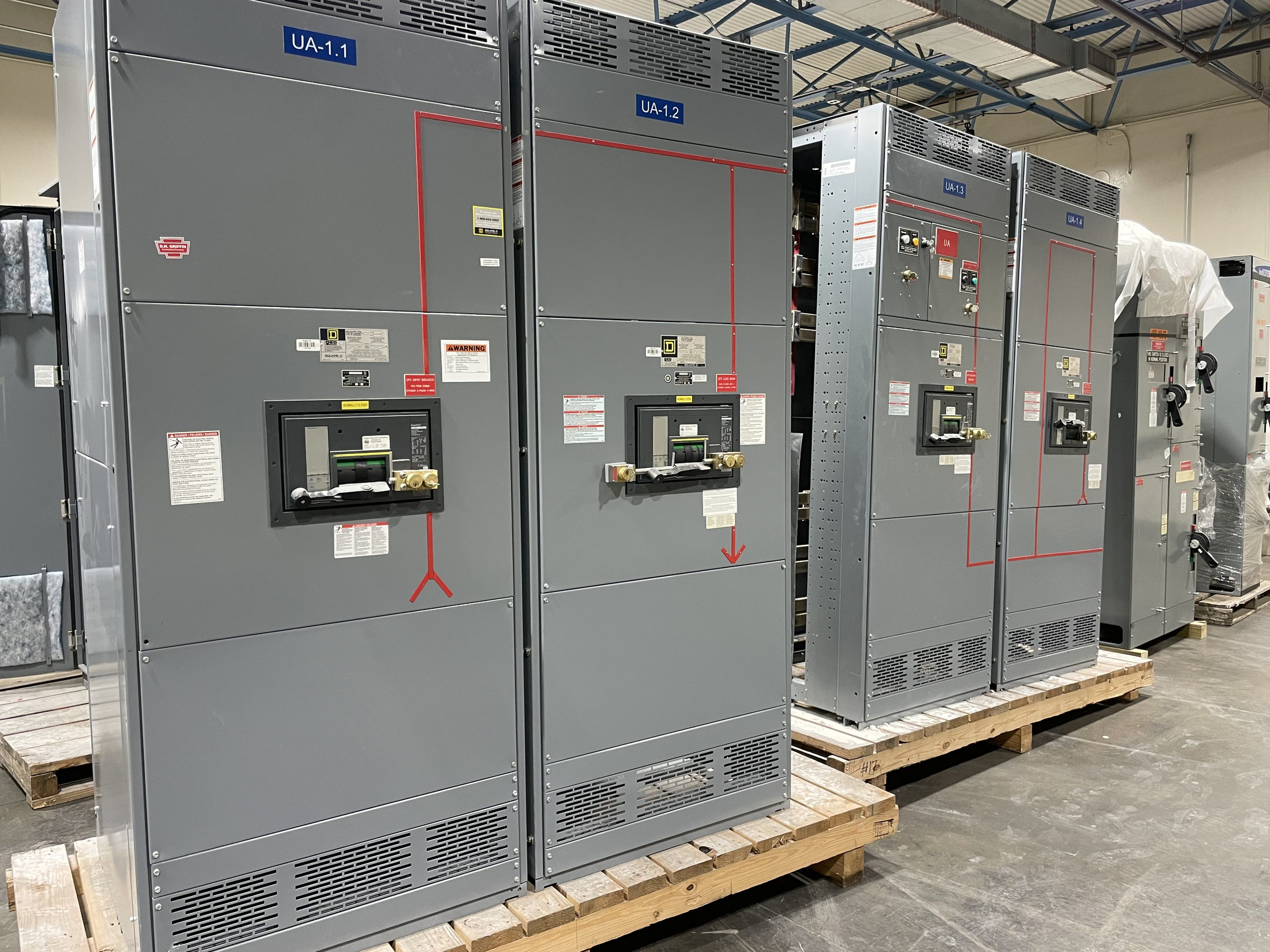
Specification Definition for New Switchgear
A specification is the written set of technical, performance, and project requirements used to define what new switchgear must do and how its design will be evaluated. In procurement, it gives the owner, engineer, manufacturer, and other project participants a shared reference for proposals, design review, production, and acceptance. It is more than a product description: it records operating conditions, interfaces, required documentation, and decisions that affect the finished assembly.
A useful specification is specific enough to support a responsible design, while distinguishing confirmed requirements from assumptions that still need review. It should identify the equipment application and intended system arrangement without presuming that a particular voltage, current rating, short-circuit rating, construction, or listing will suit every project. Qualified electrical professionals and relevant authorities must assess the requirements against the actual installation.
Start with the Application and Project Inputs
The specification definition begins with the job’s purpose and available system information. Relevant inputs can include one-line diagrams, load and feeder information, source characteristics, system grounding, protection and control intent, operating sequence, and the equipment’s role in the facility. Existing electrical conditions, where applicable, should be documented by the project team rather than inferred from a general equipment description.
Environmental and installation information also matters: intended indoor or outdoor location, ambient conditions, available space, access and handling constraints, cable entry direction, and mounting arrangement may influence design choices. Confirm which documents are current, who owns unresolved data, and what assumptions a proposal may use. Missing or conflicting inputs should be identified early, because they can affect equipment selection, drawings, interfaces, schedule, and acceptance criteria.
Define Performance and Technical Selection Criteria
A specification should state the electrical performance required for the application, with project-verified values and supporting system data. Depending on equipment type and design, criteria may address rated voltage, continuous current, frequency, short-circuit withstand or interrupting duty, insulation requirements, bus arrangement, protective devices, and metering or control functions. These are not interchangeable options or universal capabilities; qualified professionals must determine appropriate values and confirm that selected equipment is suitable for the system.
The document should also distinguish mandatory requirements from preferences and identify the basis for evaluating exceptions. Applicable standards depend on equipment design and project conditions. UL 891 applies to suitable switchboard assemblies, not automatically to all switchgear or every assembly. State a listing or standard only when it is applicable and required for the specified design. Avoid vague phrases such as “standard rating”; call out the needed performance, evidence, and approval process.
Set Design Choices and Interface Boundaries
Project-specific choices translate system needs into a buildable arrangement. These may include lineup configuration, breaker or switch functions, bus segmentation, enclosure and access requirements, compartmentation, control power, instrumentation, labels, and provisions for future connections. Each choice should be tied to an operating or installation need, and the specification should identify who approves departures. Custom assemblies can be defined to project requirements, subject to design review and confirmation of applicable standards.
Interfaces deserve explicit treatment. Identify connections to upstream and downstream equipment, protective relaying, building controls, communications, grounding, and site cabling as relevant. Clarify responsibility for interface data, wiring diagrams, terminal information, and coordination with adjacent equipment. Record dimensional limits and cable-entry expectations for review against installation drawings. This helps prevent gaps where two parties assume the other will provide a connection, signal, accessory, or approval.
Coordinate Drawings, Testing, and Acceptance
A complete procurement specification explains how design information will be reviewed and what documentation is required. The project team can define submittal content, review milestones, drawing revisions, and the process for resolving comments before production. Requirements may include bills of material, arrangement drawings, wiring diagrams, nameplate data, operating instructions, and test records, as appropriate to the equipment and contract.
Factory inspection and testing requirements should be stated in terms of the applicable design, agreed scope, and acceptance criteria. Do not assume that every test, certification, or listing applies to every assembly. Identify required witness points, records, and responsibility for review where the project calls for them. Coordinate these requirements with the schedule and procurement documents, and make clear how deviations or nonconformances will be documented and dispositioned.
Turn the Specification into a Procurement Checklist
Before requesting proposals for new switchgear, assemble the current one-line diagram, equipment schedule, site and interface information, performance requirements, and required submittal and testing scope. Mark each item as confirmed, pending, or not applicable, and assign an owner and due date for unresolved decisions. Ask bidders to identify exceptions, assumptions, and information needed to complete design rather than treating silence as agreement.
During review, compare proposals against the specification line by line: confirm the offered equipment type and documented performance, examine exceptions, and verify interfaces, deliverables, and acceptance requirements. Reconcile approved changes in writing so the procurement record and released drawings match. A US manufacturer can build custom assemblies to specification and ship nationwide; lead time depends on the project and should be confirmed with the proposal. Final requirements remain subject to qualified professional review and relevant authorities.
Project specification checklist
Use this checklist to organize the details for a project-specific review. Final ratings, applicable standards and equipment selections depend on the approved design.
| Item | What to confirm |
|---|---|
| System and application data | Confirm equipment function, current one-line diagram, source characteristics, load information, grounding, and operating sequence. |
| Electrical performance | Have qualified professionals establish required ratings and protection criteria from project-specific system data. |
| Installation conditions | Document location, environmental conditions, space, access, mounting, and cable-entry constraints for design review. |
| Interfaces and responsibilities | Identify connected equipment, control and communications signals, connection boundaries, and owners of interface information. |
| Standards and evidence | Confirm applicable standards, any required listing, documentation, inspection, and acceptance criteria for the proposed design. |
| Procurement and schedule | Define submittal milestones, exception review, testing scope, and project-specific lead-time confirmation. |