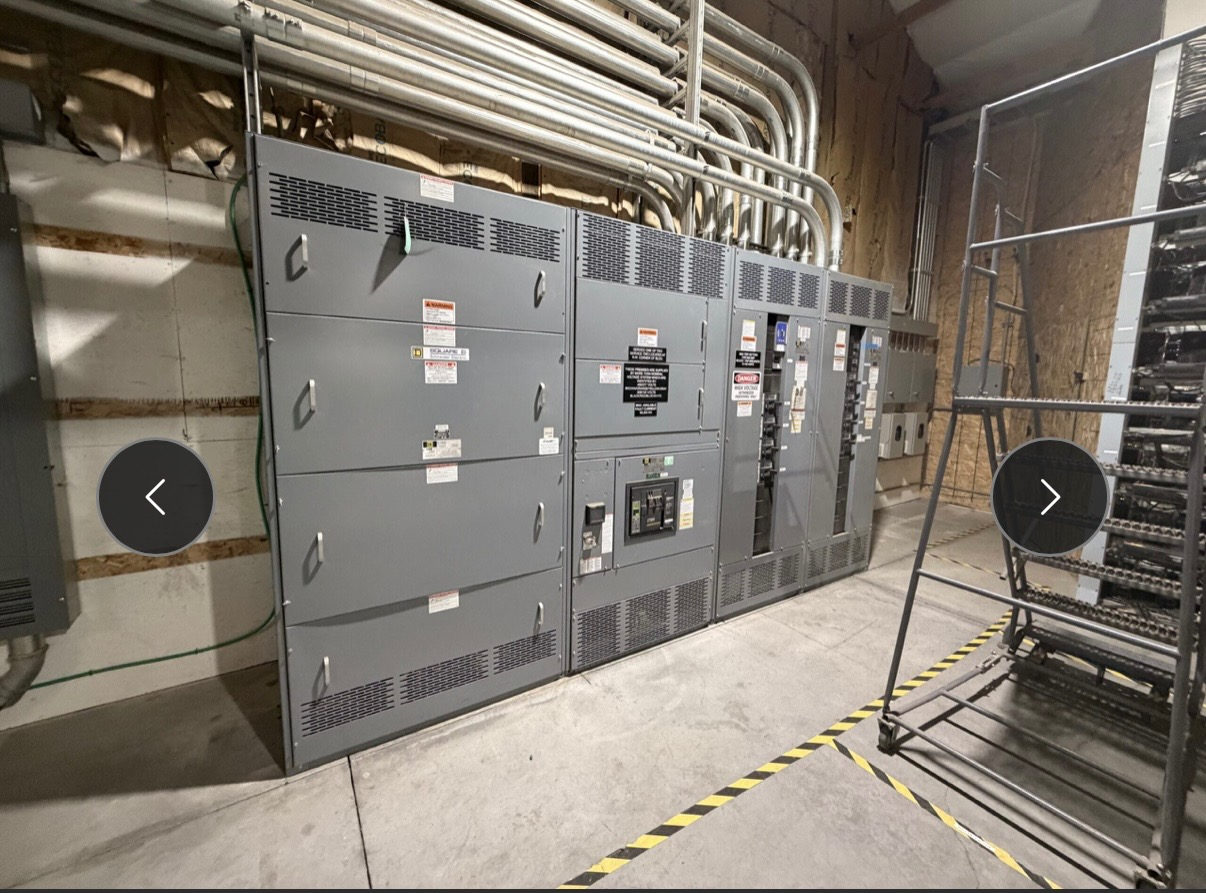
What an Arc-Flash Label Means
An arc-flash label is a field-facing summary of information derived from an applicable arc-flash hazard assessment. Its purpose is to help qualified personnel recognize the assessed hazard and locate key precautions before work is planned. It is not the assessment itself, a substitute for safe work practices, or a guarantee that conditions remain unchanged. For new switchgear, the label’s relevance depends on the equipment configuration and the electrical system represented in the assessment. The phrase arc-flash label definition therefore includes both the physical label and its connection to documented, project-specific analysis. Equipment design and labeling decisions should be reviewed by qualified electrical professionals and the authorities relevant to the project.
Assessment Inputs That Shape the Label
The assessment relies on system information, not merely the switchgear nameplate. Relevant inputs can include the available fault current, protective-device types and settings, upstream and downstream connections, equipment configuration, operating modes, and the task or boundary assumptions used by the assessment. Changes in a source, transformer, conductor, protective device, or setting may affect results and should be evaluated by the responsible engineer. For procurement, provide the equipment manufacturer with the applicable one-line diagram, specifications, interface details, and any known study assumptions. Identify who owns the hazard assessment and who will provide approved label data; do not ask a manufacturer to infer site conditions or present unverified values as final.
Label Content and Design Decisions
Required label content and presentation depend on applicable standards, regulations, the assessment method, and the owner’s practices. Project documents should establish which hazard information is to appear, the terminology and units to use, and how equipment identification will match drawings and study records. The assessment may specify values or precautions that belong on the label, but those details must come from the responsible analysis rather than a generic product selection. Also confirm label material, attachment location, readability, and environmental suitability for the intended installation. These are project design choices, not universal equipment capabilities. A clear responsibility matrix can distinguish manufacturer-provided equipment identification from engineering-provided hazard information and owner-approved labeling requirements.
Interfaces With New Switchgear
New switchgear is one element in a larger power system, so a label cannot be finalized accurately by treating the assembly in isolation. Confirm how incoming and outgoing circuits, protective devices, control interfaces, and operating configurations correspond to the project drawings and assessment model. For custom assemblies, resolve equipment tags, compartment or section identifiers, and any label placement constraints during submittal review. UL 891 applies to suitable switchboard assemblies where applicable; it does not establish arc-flash values or apply automatically to every form of switchgear. Applicable construction and performance standards depend on equipment design and project requirements. Review the proposed assembly, study inputs, and label interface together, with qualified professionals determining whether the modeled conditions match the intended installation.
Coordination, Testing, and Revisions
Label coordination should align with equipment submittals, approved one-line diagrams, protective-device information, and the completed hazard assessment. Factory testing or other specified verification may confirm aspects of the supplied assembly, but it does not by itself validate the site-specific arc-flash study or label data. Define who checks that equipment identification matches the study and who authorizes final label content before installation or energization. If field conditions, settings, operating modes, or connected sources differ from the assessed basis, the responsible engineer should determine whether the assessment and labels need revision. Keep document versions traceable so maintenance personnel can distinguish current information from superseded labels and study records. Follow project procedures and do not work on energized equipment based on label information alone.
Procurement and Practical Next Steps
When specifying new switchgear, include the intended labeling scope, equipment identifiers, study status, and the party responsible for supplying approved assessment data. Ask the manufacturer to clarify how label locations and identification will be coordinated with the assembly submittals; confirm any project-specific material or format requirements before release. A US-built assembly with all-American components and custom construction to specification may support a project’s defined equipment needs, with shipping available nationwide; lead time depends on project details. These facts do not replace engineering review or establish a rating, listing, or study result. Before procurement is finalized, have qualified electrical professionals review system inputs, applicable standards, label content responsibility, and drawing interfaces, then document any unresolved assumptions for follow-up.
Project specification checklist
Use this checklist to organize the details for a project-specific review. Final ratings, applicable standards and equipment selections depend on the approved design.
| Item | What to confirm |
|---|---|
| Assessment ownership | Confirm the qualified professional responsible for the hazard assessment and final label data. |
| System inputs | Provide current one-line diagrams, protective-device information, operating modes, and other study assumptions for review. |
| Equipment identification | Align switchgear tags, section identifiers, and drawings with the assessment and label schedule. |
| Label requirements | Specify applicable content, format, placement, material, and project acceptance responsibilities. |
| Change control | Define how revised settings or system conditions trigger assessment review and label updates. |