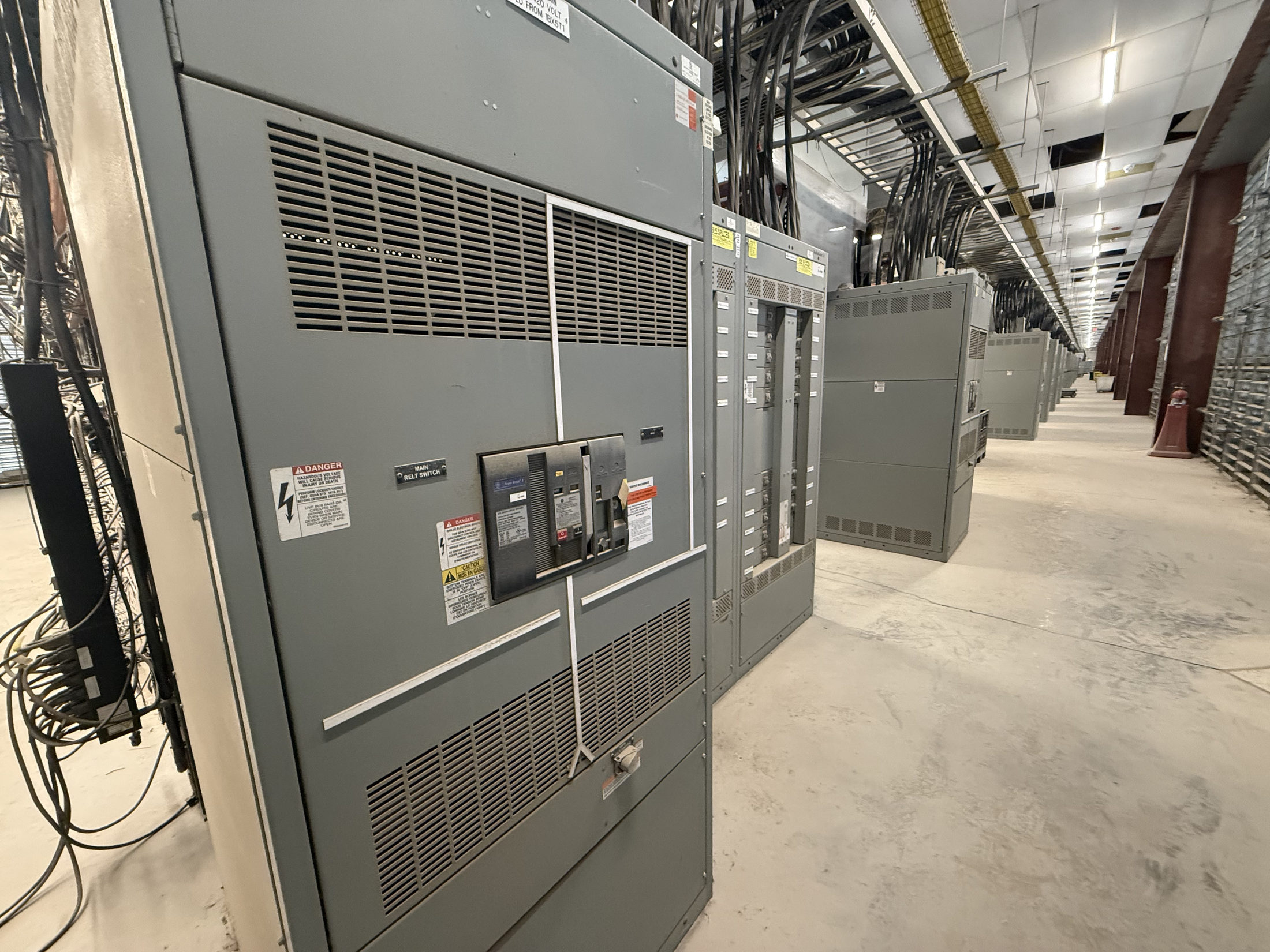
A working glossary for new switchgear projects
Testing and maintenance terms describe different stages of a new switchgear project. Inspection checks equipment condition or installation details; testing measures performance against defined criteria; maintenance preserves equipment condition after it enters service. The terms may appear together in specifications, submittals, commissioning plans, and operating documents, but they are not interchangeable. For Central Texas projects, agreeing on their meaning early helps the owner, design team, manufacturer, installer, and testing provider coordinate responsibilities without leaving important work assumed or duplicated.
Use this glossary to identify questions for the project team, not as a substitute for the approved design or equipment instructions. The appropriate scope depends on equipment type, system design, applicable standards, site conditions, and owner requirements. A qualified electrical professional should review the specifications and determine which inspections, tests, records, and maintenance practices apply. Detailed topic pages can then help project participants examine each term and its role in planning new equipment.
Inspection: condition, completeness, and installation
An inspection is a visual or procedural examination against stated requirements. For new equipment, pre-shipment or receiving checks may address identification, visible condition, documentation, and whether the delivered assembly appears consistent with approved submittals. Installation inspections may cover such matters as alignment, accessibility, labeling, connections, grounding, and completion of specified work. The exact checklist should come from project documents and manufacturer instructions; an inspection alone does not establish that every electrical function has been tested.
Clarify who performs each inspection, when it occurs, what reference documents apply, and how exceptions are recorded and resolved. Receiving checks can identify shipping damage or missing items before installation proceeds. Installation inspections can provide a hold point before testing or energization, where required by the project. Inspection records should identify the equipment and findings clearly. Do not treat a general checklist as proof of compliance with every applicable code, standard, or authority requirement.
Testing: defined methods and acceptance criteria
Testing applies a specified method to evaluate a particular characteristic or function. Depending on the design and project scope, plans may distinguish factory testing, field acceptance testing, functional checks, and commissioning activities. Each term needs a defined purpose: what is being tested, by whom, with which procedure and instruments, and against what acceptance criteria? Requirements differ by equipment and rating. UL 891 applies to suitable switchboard assemblies; it should not be assumed to apply to all switchgear or to medium- or high-voltage equipment.
The project team should identify required tests in the specification and coordinate them with approved drawings, equipment instructions, applicable standards, and the work sequence. Confirm who provides test plans, records results, and reviews deviations. Testing should be performed by qualified personnel using appropriate procedures and safeguards; this glossary does not authorize work on energized equipment. For related detail, consult topic pages on factory testing, field testing, acceptance criteria, and commissioning, while relying on qualified professionals for project decisions.
Commissioning and functional checks
Commissioning coordinates checks that help establish whether installed systems and equipment meet the project’s documented requirements. It may include reviewing submittals and test records, verifying interfaces, checking control or protective functions within the approved scope, and documenting outstanding items. Functional testing focuses on whether specified functions operate as intended under defined conditions. Neither term should be used as a vague substitute for a test plan: the scope, prerequisites, sequence, responsible parties, and sign-off process need to be explicit.
For an assembly connected to other electrical systems, coordination matters. Confirm interface points, control wiring responsibilities, settings information, access needs, test boundaries, and the order in which work will occur. Project teams should also define how deficiencies are logged, corrected, and retested. Some activities may depend on other contractors or system conditions, so schedule assumptions should be reviewed rather than treated as guaranteed. Detailed commissioning and functional-testing pages can help teams prepare questions before finalizing project documents.
Maintenance, servicing, and operating records
Maintenance is planned work intended to preserve equipment condition and support reliable operation over time; it is distinct from commissioning and initial acceptance. A maintenance program may draw on manufacturer instructions, equipment design, operating environment, condition information, and owner procedures. Inspection intervals and tasks should not be copied from a generic glossary or selected without review. Confirm which components require attention, what documentation governs the work, and who is qualified and authorized to perform it.
Useful records connect future observations to the original equipment and project requirements. Keep approved drawings, equipment identification, test reports, settings records where applicable, inspection findings, and documented changes in the owner’s record system. Procedures should address safe work planning and applicable site rules; this page is not instruction for servicing energized equipment. A maintenance glossary topic page can explain related terms such as condition assessment, preventive maintenance, and corrective maintenance, while qualified professionals determine the appropriate program.
Turn glossary terms into project decisions
Before procurement, convert broad words such as “tested,” “inspected,” or “commissioned” into responsibilities and deliverables. Identify the equipment covered, required procedures, acceptance criteria, document formats, review authority, and treatment of exceptions. Confirm the assembly type and design requirements before specifying standards or ratings; voltage, current, short-circuit performance, and enclosure selection all require project-specific verification. Custom assemblies can be developed to specification, but the approved design and applicable requirements govern what is suitable for the installation.
For a Central Texas project, coordinate submittal review, site access, receiving, installation sequence, and testing windows among the owner, design professionals, installer, and any testing provider. During purchasing discussions, clarify which tests and records are included in the project scope and which are assigned elsewhere. New switchgear built in the USA with all-American components can be specified for shipment nationwide; lead time depends on the project. Use the detailed topic pages to prepare a question list, then have qualified electrical professionals review final requirements with relevant authorities.
Project specification checklist
Use this checklist to organize the details for a project-specific review. Final ratings, applicable standards and equipment selections depend on the approved design.
| Item | What to confirm |
|---|---|
| Equipment and ratings | Confirm equipment type, voltage, current, short-circuit requirements, and enclosure needs against the project design. |
| Applicable standards | Identify standards and listing requirements appropriate to the specific assembly; do not assume UL 891 applies universally. |
| Inspection scope | Assign inspection stages, responsible parties, checklists, reference documents, and exception handling. |
| Testing and acceptance | Define test methods, prerequisites, acceptance criteria, recordkeeping, and review responsibilities. |
| Coordination and schedule | Confirm submittal milestones, site access, interfaces, work sequence, and project-dependent lead-time assumptions. |