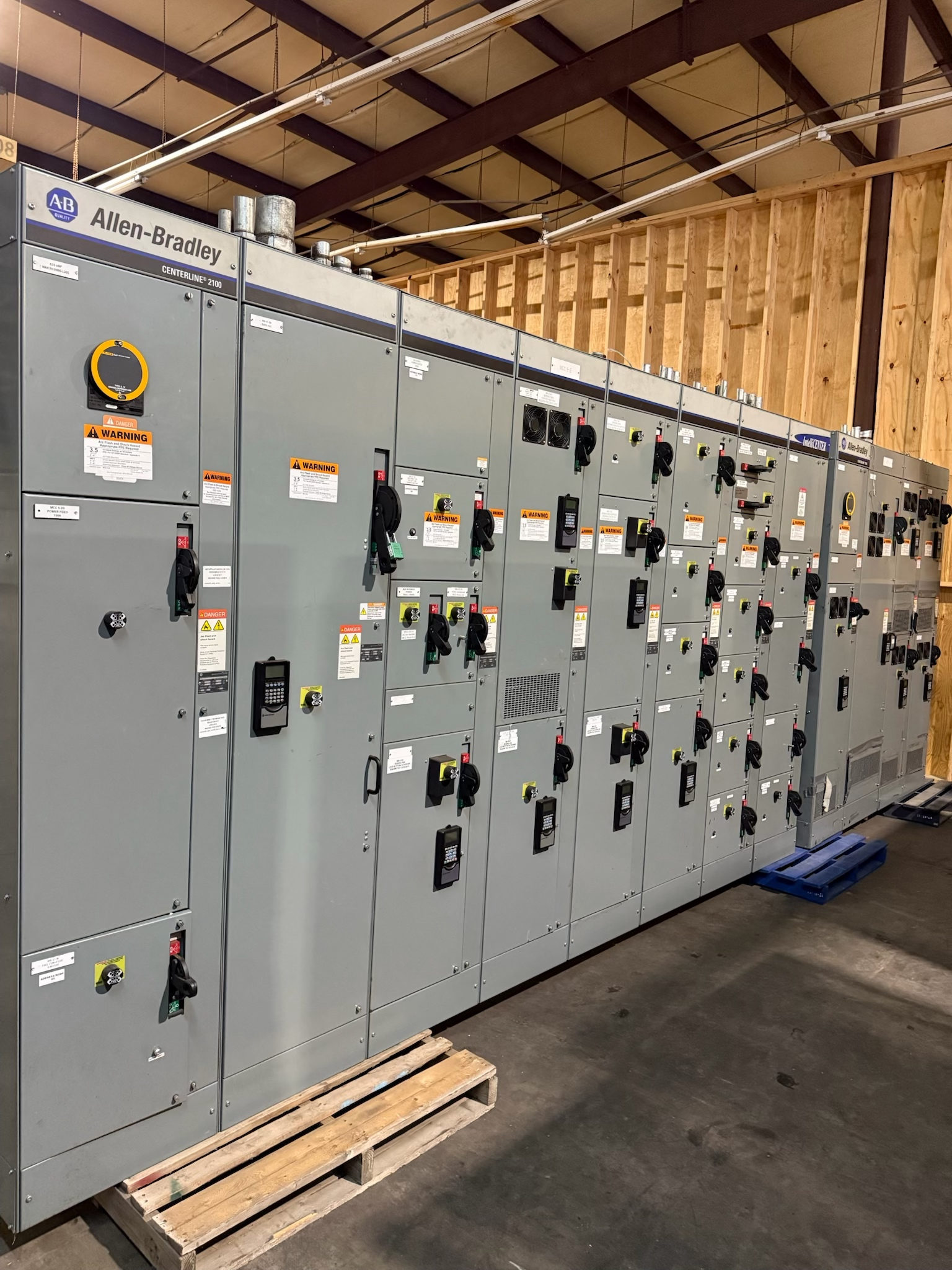
Campus distribution starts with the project boundary
University switchgear supports the electrical distribution systems that serve academic buildings, laboratories, residence halls, libraries, dining facilities, and campus infrastructure. A project may replace equipment in one building, add distribution for a new facility, or modify a system serving several loads. Define which equipment is included, where existing and new systems connect, and which campus operations depend on each part. Those boundaries shape the required equipment, outage planning, and coordination with facilities staff and the project’s electrical professionals.
For a Central Texas campus, early planning should account for how construction access, delivery routes, staging space, and the institution’s academic and operating calendar affect the work. These are project coordination questions, not assumptions about a particular campus. Confirm who controls shutdown approvals, who can provide existing drawings, and how design decisions will be reviewed. A clear project scope helps align the equipment specification with actual campus needs rather than relying on a generic switchgear package.
Build selection around verified electrical conditions
Selection begins with documented system conditions, not a presumed standard configuration. The design team should establish system voltage, available fault current, load requirements, grounding approach, and the protective-device coordination criteria for each connection point. Equipment ratings and construction must suit the specific application and be checked against the electrical design and applicable codes and standards. A qualified electrical professional should verify the calculations and assumptions; the manufacturer needs accurate project information to evaluate a proposed assembly.
Campus loads can vary substantially by building and function. A laboratory may have sensitive or specialized loads, while residence and classroom facilities can have different operating patterns and continuity priorities. Identify present loads, planned expansion, motor or other significant loads, and any required connection to emergency or standby systems. Do not infer that an existing rating remains adequate after additions or changes. Confirm the intended use and constraints for each lineup before requesting a design or quotation.
Choose an arrangement that fits campus operations
Physical design choices affect both installation and future maintenance. Confirm equipment location, available room dimensions, access for handling and service, cable entry direction, and the interface with existing switchboards, transformers, or other distribution equipment. Enclosure and environmental requirements depend on the actual installation conditions; they should be stated and reviewed rather than assumed. For projects in occupied buildings, the design team should also consider how construction sequencing and access restrictions may influence equipment arrangement and connection work.
Decide which functions belong in the assembly and how the equipment will connect to the larger system. Depending on project scope, the specification may address incoming and outgoing sections, metering, protective devices, control interfaces, or provisions for future work. Each feature should reflect a defined operational or design need. University switchgear is not one universal package: custom assemblies can be developed to specification, subject to engineering review and confirmation that the proposed design is suitable for the project.
Plan interfaces, phasing, and outage coordination
Campus distribution work often involves existing equipment that must remain in service while adjacent construction proceeds. Document tie-in points, ownership of interface drawings, required shutdown windows, temporary operating arrangements, and the sequence for removing or connecting equipment. The campus facilities team, electrical engineer, contractor, and equipment supplier should work from consistent, current information. Any temporary configuration or work near existing energized systems requires planning and execution by qualified professionals under applicable safety procedures; equipment planning is not a substitute for safe work controls.
Phasing can influence the required assembly and the information needed before fabrication. Confirm whether the project is a single installation or part of a staged building program, and identify which portions must be coordinated with later phases. Resolve changes to loads, room layouts, cable routes, and protective-device settings through the project’s design process. Early interface reviews can expose mismatches before they affect procurement or installation, especially when campus records are incomplete or the work modifies a distribution system serving multiple facilities.
Review standards and testing expectations
Specify the applicable standards and any required documentation according to equipment type and project design. UL 891 applies to suitable switchboard assemblies; it does not automatically apply to every switchgear product or to medium- or high-voltage equipment. The design team should identify the intended equipment classification and confirm applicable requirements rather than treating a standard or listing as universal. Likewise, voltage, short-circuit capability, enclosure construction, and other ratings must be established for the particular system and verified before equipment is selected.
Agree on inspection and testing expectations early, including what documentation, factory checks, and project records are required by the specification. Define who reviews submittals, how deviations are handled, and what information is needed for field acceptance and commissioning. Testing and commissioning responsibilities depend on the project and should be coordinated among qualified parties. Complete drawings, approved settings, and clear equipment identification support orderly handoff to campus operations, but they do not replace the institution’s own acceptance criteria or applicable authority review.
Prepare a complete request for new equipment
To start a university switchgear review, assemble the one-line diagram, available load and fault-current information, equipment schedules, room and access details, connection requirements, and the project’s applicable specifications. Include the intended installation location, desired phasing, required submittal documents, and any known schedule constraints. If records are missing or preliminary, identify those gaps instead of presenting estimates as verified design data. The project’s electrical professionals and relevant authorities must review the design and confirm suitability before procurement and installation proceed.
A manufacturer can use a defined scope to assess a custom assembly, clarify open technical questions, and identify what information is needed next. For Central Texas projects, coordinate delivery planning with the campus, contractor, and site access requirements; lead times depend on project details and should be confirmed during review. This US-built manufacturer uses all-American components and can ship nationwide. The practical next step is a coordinated specification review that resolves interfaces, ratings, standards, and documentation needs before the equipment configuration is finalized.
Project specification checklist
Use this checklist to organize the details for a project-specific review. Final ratings, applicable standards and equipment selections depend on the approved design.
| Item | What to confirm |
|---|---|
| System data | Confirm voltage, grounding, available fault current, load information, and design assumptions at each connection point. |
| Equipment scope | Define included sections, protective and metering functions, interfaces, and any provisions for future work. |
| Installation conditions | Verify room dimensions, access and handling routes, cable entry, and project-specific enclosure requirements. |
| Standards and ratings | Identify applicable standards and verify equipment ratings for the specific design and installation. |
| Phasing and coordination | Document tie-in points, outage approvals, construction sequence, and campus operating constraints. |
| Submittals and testing | Set expectations for drawings, review, inspection, testing, commissioning coordination, and handoff records. |