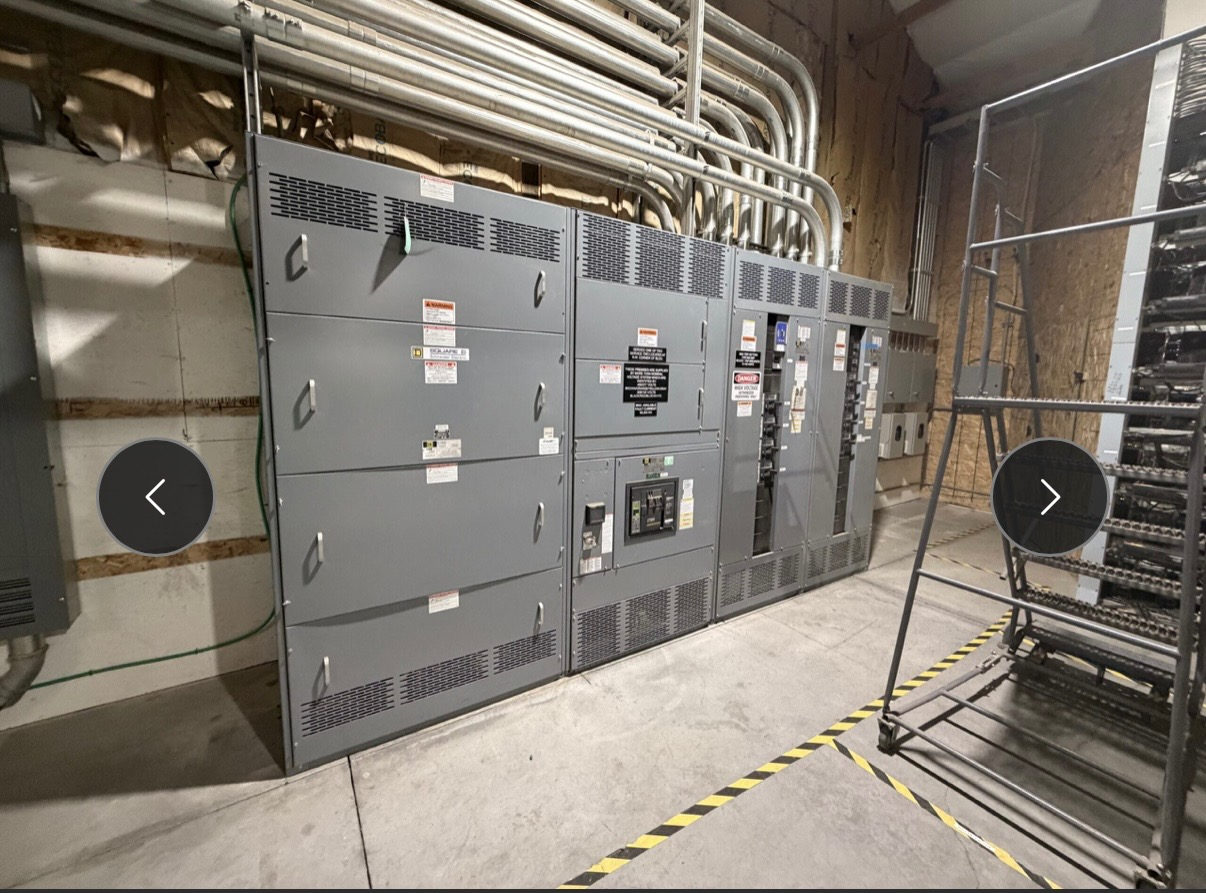
Phase Airport Switchgear Work Around Operational Needs
Airport electrical work phasing begins with the systems that must remain available while new switchgear is installed and tested. Depending on the project, affected loads may support terminal operations, baggage handling, airfield functions, security, communications, or building services. The project team should identify which loads are served by each lineup, their operational importance, and whether an approved alternate source or temporary arrangement exists. Do not assume a transfer path is available or suitable: qualified electrical professionals must verify the existing one-line diagram, equipment condition, protection scheme, and operating procedures.
A phasing plan should connect each construction activity to its electrical boundary and operational consequence. Define what can be prepared while equipment remains energized, what requires an outage, and which work must wait for a verified safe condition. Plans must not rely on working on energized equipment. Airport operations and responsible electrical authorities should review the sequence, safeguards, and contingencies before dates are treated as firm.
Build Outage Windows With Stakeholders
An outage request is a coordination package, not just a proposed date. Identify the circuits and facilities affected, the expected duration and sequence, dependencies on other contractors, and the operational actions needed before, during, and after the interruption. The airport owner or operator may need to coordinate with facilities, operations, security, tenants, airlines, maintenance teams, and other parties whose activities depend on the affected distribution. Determine who has authority to approve the outage and who can accept a change or cancellation.
Schedule review should account for the airport’s operating calendar, access restrictions, required notices, and any blackout periods established by the owner. Ask whether a shutdown can be divided into smaller windows and what restoration checkpoints are required between phases. Contingency plans should state decision authority, stop-work triggers, communications channels, and the response if testing or restoration does not proceed as planned. These details help align switchgear procurement and construction sequencing with realistic, approved outages.
Select New Switchgear From Verified Project Data
Selection for airport switchgear starts with verified electrical and physical requirements, not a presumed standard lineup. Provide the system voltage, bus and feeder requirements, available fault-current information, protection and coordination studies, grounding arrangement, and intended source or tie configuration for qualified review. Confirm the project’s required equipment category and applicable standards; UL 891 applies to suitable switchboard assemblies, not automatically to every switchgear design. Ratings, construction, and listing status must be established for the specific assembly and application.
Site information is equally important. Document available floor space, access and rigging routes, room conditions, cable entry and termination locations, and existing equipment interfaces. Clarify metering, controls, communications, interlocks, and protective relays, including who supplies and configures connected systems. Custom assemblies can be developed to project specifications, but drawings and interfaces need review before release. A complete basis of design reduces late changes that could affect outage planning, procurement, or commissioning.
Map Interfaces Before Drawings Are Released
Airport projects often place switchgear among several connected scopes. Coordinate incoming-source equipment, transformers, downstream panels, generators or other alternate sources where present, control systems, fire and life-safety interfaces, and building or airfield loads as applicable to the actual project. Identify who owns each cable, conduit, control point, communication link, and field termination. Confirm interface responsibilities with the design team and equipment suppliers rather than assuming that a connection shown on one drawing is included in another scope.
Use a current one-line diagram, equipment schedules, control schematics, room plans, and an interface matrix to expose gaps before fabrication. Review breaker arrangements, protection settings responsibilities, labeling conventions, cable routing, and required points for status or alarms. Establish submittal review dates and identify the drawings that must be approved before release. The manufacturer builds new equipment in the USA using all-American components and can ship nationwide; project-specific drawings and shipping coordination should still be aligned with the site schedule.
Plan Testing and Commissioning by Phase
Commissioning should be designed alongside the outage sequence. Define factory and site test requirements in the project documents, the responsible parties, acceptance criteria, test records, and witness or approval points. The exact tests depend on the equipment design and project requirements; they may address mechanical operation, controls, protective functions, metering, communications, and interface behavior. Qualified professionals should confirm test procedures and applicable standards, and the owner should identify who reviews results and authorizes progression to the next phase.
For each outage, establish prerequisites such as approved settings, verified terminations, completed inspections, and readiness of connected systems. Plan how equipment will be energized and functional checks performed under authorized procedures; never treat commissioning as permission for unqualified work on energized equipment. Record discrepancies, corrective actions, retest results, and turnover documents. Restoration criteria should be explicit, including the decision-maker and required confirmation that affected loads and alarms behave as intended before the team closes the work window.
Turn Project Inputs Into a Procurement Sequence
Before requesting a quotation or scheduling release, assemble the latest one-line diagram, equipment schedules, studies, room and access information, interface matrix, outage assumptions, and commissioning requirements. Note which inputs are approved and which remain provisional. Ask the project team to resolve open decisions—such as source and tie arrangements, protection responsibilities, control interfaces, and delivery constraints—before they become fabrication changes. Lead times depend on the project and confirmed scope, so align procurement milestones with submittal review, approved drawings, construction readiness, and the airport’s authorized outage plan.
A useful next step is a focused design review with the owner, electrical engineer, construction team, operations representatives, and equipment manufacturer. Confirm the equipment boundary, approval path, outage decision authority, test responsibilities, and shipping and receiving constraints. Then document actions, owners, and dates in one coordination log. This turns airport electrical work phasing into a sequence that can be checked and updated as conditions change, while keeping equipment selection and commissioning tied to the actual project rather than assumed site capabilities.
Project specification checklist
Use this checklist to organize the details for a project-specific review. Final ratings, applicable standards and equipment selections depend on the approved design.
| Item | What to confirm |
|---|---|
| Outage boundaries | Confirm affected sources, feeders, loads, operating constraints, approved windows, and restoration authority. |
| Electrical basis | Provide verified system data, fault-current and coordination information, and project-specific equipment requirements. |
| Physical interfaces | Confirm room dimensions, access and rigging routes, cable entry, terminations, and connected equipment responsibilities. |
| Stakeholder approvals | Identify required reviewers, outage decision-makers, notices, operational dependencies, and escalation procedures. |
| Commissioning plan | Define test scope, acceptance criteria, responsible parties, records, witness points, and phase-release approvals. |
| Procurement milestones | Coordinate approved submittals, drawing release, project-dependent lead time, shipping, and site receiving readiness. |