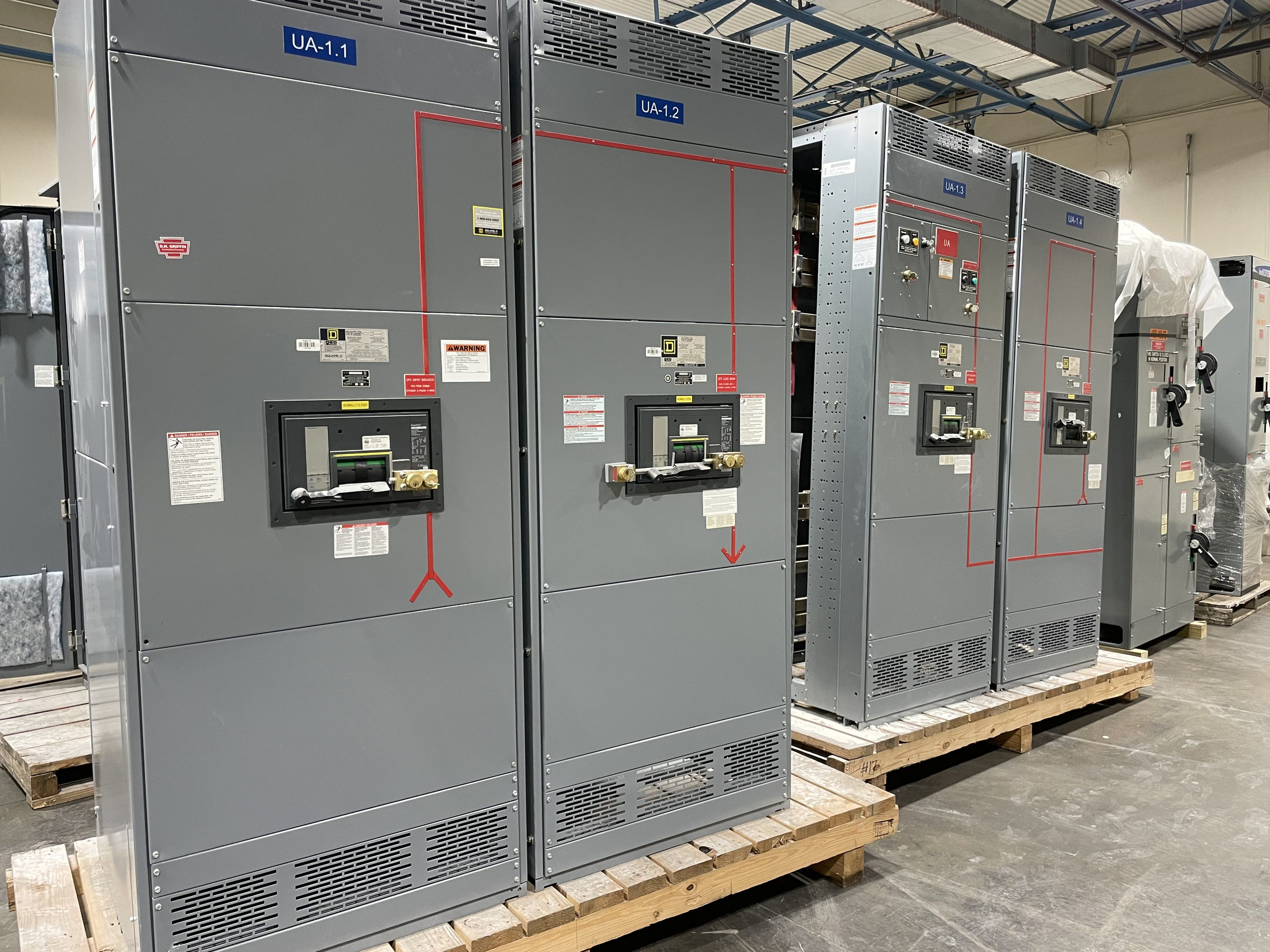
Environmental exposure begins with the site conditions
Wastewater facilities can expose electrical equipment to persistent humidity, condensation, washdown, corrosive atmospheres, or occasional water intrusion. These conditions vary across a site: a control room, process building, and outdoor installation may have very different exposure profiles. Selecting wastewater facility switchgear therefore starts with the intended location and the environmental conditions at that exact point, not simply the facility type.
Document whether equipment will be indoors or outdoors, the room’s ventilation and temperature control, likely condensation cycles, cleaning methods, and proximity to tanks, channels, chemicals, or salt-bearing air. Note whether flooding, spray, leaks, or airborne contaminants are credible hazards. These inputs help determine suitable materials and enclosure construction, but do not establish a universal enclosure rating or equipment capability. Final selection requires project-specific review by qualified electrical professionals and the relevant authorities.
Assess moisture pathways and condensation risk
Moisture may reach switchgear through direct spray, roof or pipe leaks, humid air, condensation on cooler surfaces, or water tracked into an electrical room. Identify when these conditions occur, including seasonal humidity changes and operating cycles that can cool equipment below the surrounding air temperature. Also establish whether housekeeping uses hoses or pressure washing nearby, and whether drainage or floor elevations affect the equipment location.
The design team can then evaluate enclosure suitability and any project-required measures for limiting moisture entry or managing condensation. Options must be assessed against the equipment design, operating environment, and applicable requirements; no enclosure label alone guarantees suitability for every exposure. Confirm whether heaters, ventilation, dehumidification, or other environmental controls are part of the facility design, who provides them, and how their power and controls interface with the switchgear.
Match corrosion protection to actual contaminants
Corrosion risk depends on what is present, how concentrated it is, how often exposure occurs, and whether deposits remain on surfaces. Wastewater environments may include corrosive gases, chemical vapors, aerosols, or cleaning agents, but conditions differ by process and location. Ask the facility team for known chemicals, safety data where available, treatment processes, cleaning products, and any prior corrosion observations relevant to the planned equipment position.
Use those facts to review enclosure materials, finishes, fasteners, internal components, and other exposed surfaces with the equipment designer. Consider whether dissimilar materials, seams, ventilation openings, or maintenance access points could affect long-term exposure. Specify the environmental assumptions clearly rather than relying on a broad description such as “corrosive area.” The selected construction and any protective measures must be confirmed for the particular assembly and project requirements; do not assume a coating, material, or certification without verification.
Choose the enclosure for location and access
Enclosure suitability is a design decision tied to installation conditions, not a stand-alone product preference. Confirm indoor or outdoor placement, exposure to weather or washdown, dust and airborne material, available clearance, access for operation, and the way conductors enter and leave the assembly. Record mounting surface and orientation, door swing, nearby piping, and whether equipment must be protected from vehicle impact or restricted to controlled access.
The project electrical specification should identify required voltage, current, fault-duty, system configuration, and environmental conditions for the particular equipment. These values must be selected and verified for the system; they are not universal capabilities. Applicable standards and any required listings depend on equipment type and design. UL 891 may apply to suitable switchboard assemblies, but it does not automatically apply to every switchgear product. Resolve enclosure and standard questions during design review, before procurement documents are finalized.
Coordinate interfaces and environmental controls
Environmental suitability depends on adjacent systems as well as the enclosure itself. Coordinate switchgear location and access with HVAC, room pressurization if specified, drainage, fire protection, lighting, cable routing, and process piping. Confirm who supplies and connects environmental controls, what alarms or interlocks are required, and whether control power, monitoring points, or communications must be included in the assembly. Clarify responsibility for penetrations and sealing so field interfaces do not undermine the intended design.
Before release, review drawings and submittals with the facility’s electrical, mechanical, controls, and operations representatives. Verify dimensions, conductor entry, working clearances, maintenance access, environmental assumptions, and interface points. The project team should define inspection and testing requirements appropriate to the equipment and applicable standards, including how any specified environmental features will be checked. Testing does not replace proper site preparation or confirm conditions that were not included in the design basis.
Prepare a procurement package that answers the hard questions
A useful request for new switchgear includes one-line diagrams, system data, load and fault information, operating sequence, equipment location, and a description of moisture and corrosion exposure. Add enclosure requirements, cable and control interfaces, preferred access direction, drawings, applicable project specifications, and the intended inspection or testing scope. Identify unresolved site details explicitly so they can be reviewed instead of silently treated as assumptions. Lead time depends on the project and the final design.
A US manufacturer using all-American components can develop custom assemblies to specification and ship nationwide; UL 891 assemblies are offered where applicable. For a wastewater project, provide the environmental information early and ask which assumptions need confirmation before design proceeds. Have qualified electrical professionals review selections and obtain any required authority approvals. This concrete review helps align equipment construction, facility controls, and installation conditions without presuming a particular rating, enclosure capability, listing, or site service.
Project specification checklist
Use this checklist to organize the details for a project-specific review. Final ratings, applicable standards and equipment selections depend on the approved design.
| Item | What to confirm |
|---|---|
| Exposure profile | Confirm indoor or outdoor location, humidity, condensation, spray, washdown, and potential water intrusion. |
| Corrosive agents | Identify process chemicals, vapors, aerosols, cleaning products, and known corrosion observations. |
| Enclosure and placement | Specify required environmental protection, mounting, orientation, clearances, access, and conductor entry for review. |
| Electrical system data | Provide project voltage, current, fault-duty, system configuration, and operating sequence for engineering verification. |
| Interfaces and verification | Assign HVAC, drainage, penetrations, controls, submittal coordination, and project-specific inspection or testing requirements. |