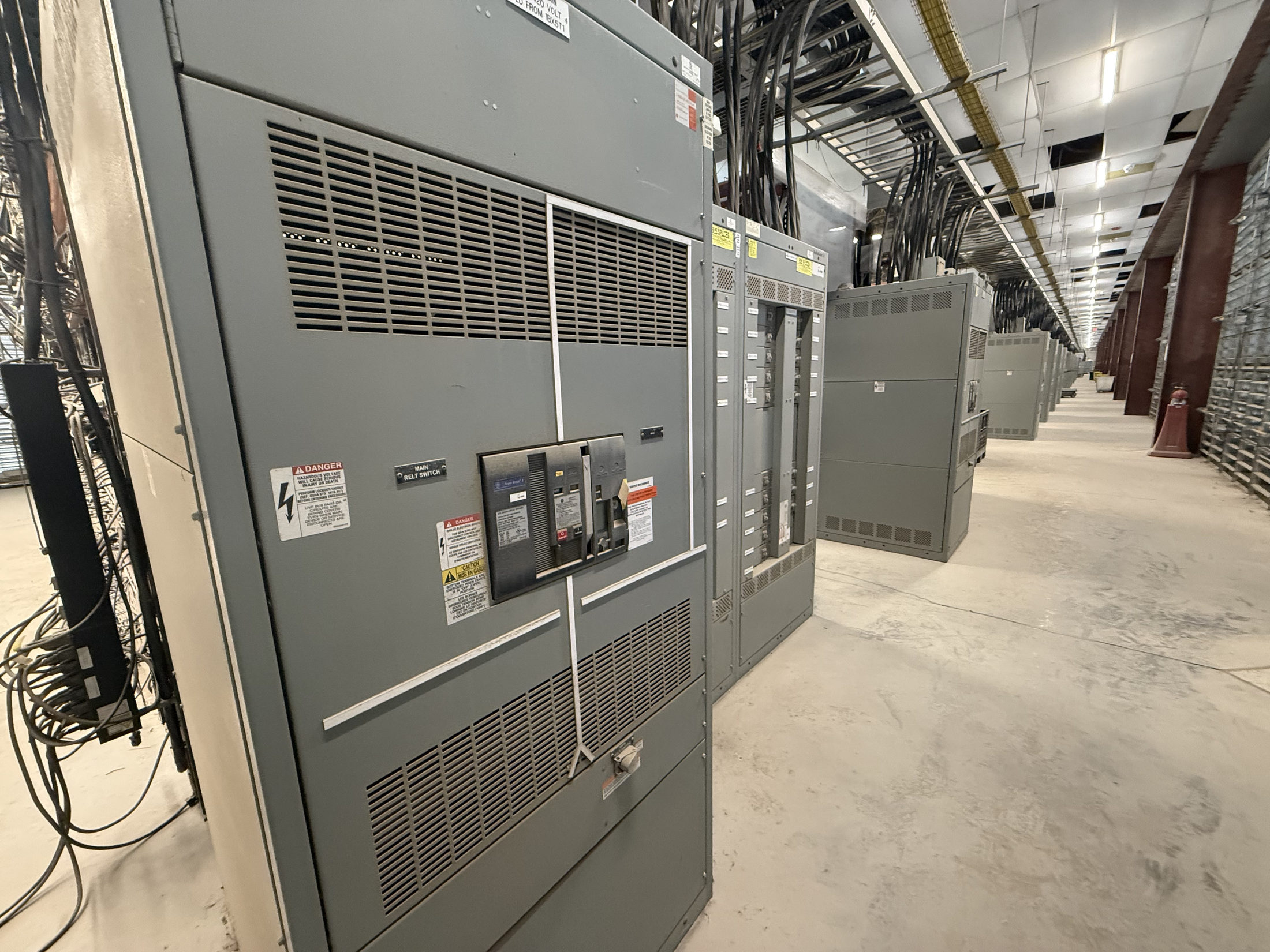
Planning a Bastrop Switchgear Inquiry
For a commercial project in Bastrop, new switchgear planning starts with the building’s electrical needs and the work schedule—not a presumed equipment size. An upgrade may support added tenant loads, a change in building use, or a phased construction program. Each scenario affects what the equipment must serve and when existing systems can be modified. A useful inquiry explains the property’s current electrical arrangement, the reason for the upgrade, and the intended operating conditions. This gives the manufacturer a basis to discuss a suitable assembly and identify missing information before preparing a quote. Bastrop switchgear requirements should be confirmed for the actual project rather than inferred from another Central Texas installation.
Describe Capacity and Existing Conditions
Begin by sharing available one-line diagrams, equipment schedules, and existing nameplate information, along with the proposed load changes. Clarify whether the project involves replacing an existing assembly, adding distribution, or planning for future expansion. The electrical engineer or other qualified project professional should establish the required voltage, continuous load, feeder and branch-circuit needs, and fault-current conditions. Do not treat an existing rating as proof that a replacement can use the same rating or configuration; upstream protection and available fault current matter. If records are incomplete, note what is known and what needs field verification. A clear distinction between verified data and assumptions helps prevent a quote from embedding unconfirmed design choices.
Account for Tenants and Phased Construction
Tenant improvements can change both the size and layout of distribution needs. Describe which spaces are occupied, the expected tenant loads, any shared building services, and whether future tenant changes should be accommodated. For phased construction, identify the sequence of areas or systems being built, the target dates for design decisions, and any planned outage windows. The equipment arrangement may need to support a defined sequence of connections or coordinate with temporary provisions designed by the project team. These details do not establish that an outage or service arrangement is feasible; the responsible electrical professionals must evaluate that. Early disclosure helps align equipment design, procurement timing, and construction documents before field work is scheduled.
Confirm the Equipment Design Basis
A quote request should identify the intended function and installation conditions, including whether the equipment is service entrance or downstream distribution, indoor or outdoor, and accessible from the front or both sides. These are project-specific choices, not universal capabilities. Confirm the required voltage, bus and feeder arrangement, protective devices, metering or control needs, enclosure conditions, and short-circuit rating with the design team. Applicable standards depend on the equipment type and project; UL 891 applies to suitable switchboard assemblies, not automatically to every switchgear product. Custom assemblies can be developed to specification, but the final design basis must be reviewed by qualified electrical professionals and relevant authorities before release.
Coordinate Submittals, Testing, and Delivery
For a commercial upgrade, ask what information is needed to prepare drawings and submittals, who will review them, and how revisions will be handled before manufacturing. The project team should confirm equipment dimensions, cable access, termination space, lifting and access constraints, and interface points with existing distribution. Discuss applicable inspection and testing expectations in the specifications, including what documentation is required and who is responsible for field acceptance. Do not assume that a particular test, listing, or authority approval applies without checking the project requirements. The manufacturer builds in the USA with all-American components and can ship nationwide; timing is project-dependent. For a Bastrop delivery, coordinate the site contact, receiving access, and construction-phase readiness with the project team.
Prepare a Complete Request for Quote
To move an inquiry forward, assemble the latest one-line diagram, load and feeder schedules, equipment specifications, available fault-current information, site installation conditions, and project milestones. Add a short narrative identifying the tenant or capacity changes, planned construction phases, and any constraints on shutdowns or equipment access. Mark unresolved items clearly and identify who will provide each confirmation; this is more useful than guessing at ratings or leaving assumptions unstated. Ask the manufacturer to identify the information needed to develop a project-specific proposal, including applicable assembly standards and submittal expectations. Review the resulting design with the project’s qualified electrical professionals and relevant authorities before approval. This process gives a Bastrop-area project a practical foundation for comparing scope, schedule, and equipment fit.
Project specification checklist
Use this checklist to organize the details for a project-specific review. Final ratings, applicable standards and equipment selections depend on the approved design.
| Item | What to confirm |
|---|---|
| Load and capacity | Confirm present and proposed loads, future allowances, feeder requirements, and the engineering basis for capacity. |
| Electrical design data | Provide verified voltage, available fault current, protective-device requirements, and applicable project specifications. |
| Tenant and phasing needs | Identify tenant changes, occupied areas, construction sequence, outage constraints, and required decision dates. |
| Installation conditions | Confirm indoor or outdoor placement, access, cable entry, clearances, and receiving constraints for the Bastrop site. |
| Submittals and standards | Specify required drawings, reviews, tests, documentation, and applicable standards for the particular assembly. |
| Procurement schedule | Share target approval and delivery milestones; lead time depends on the final project scope and design. |