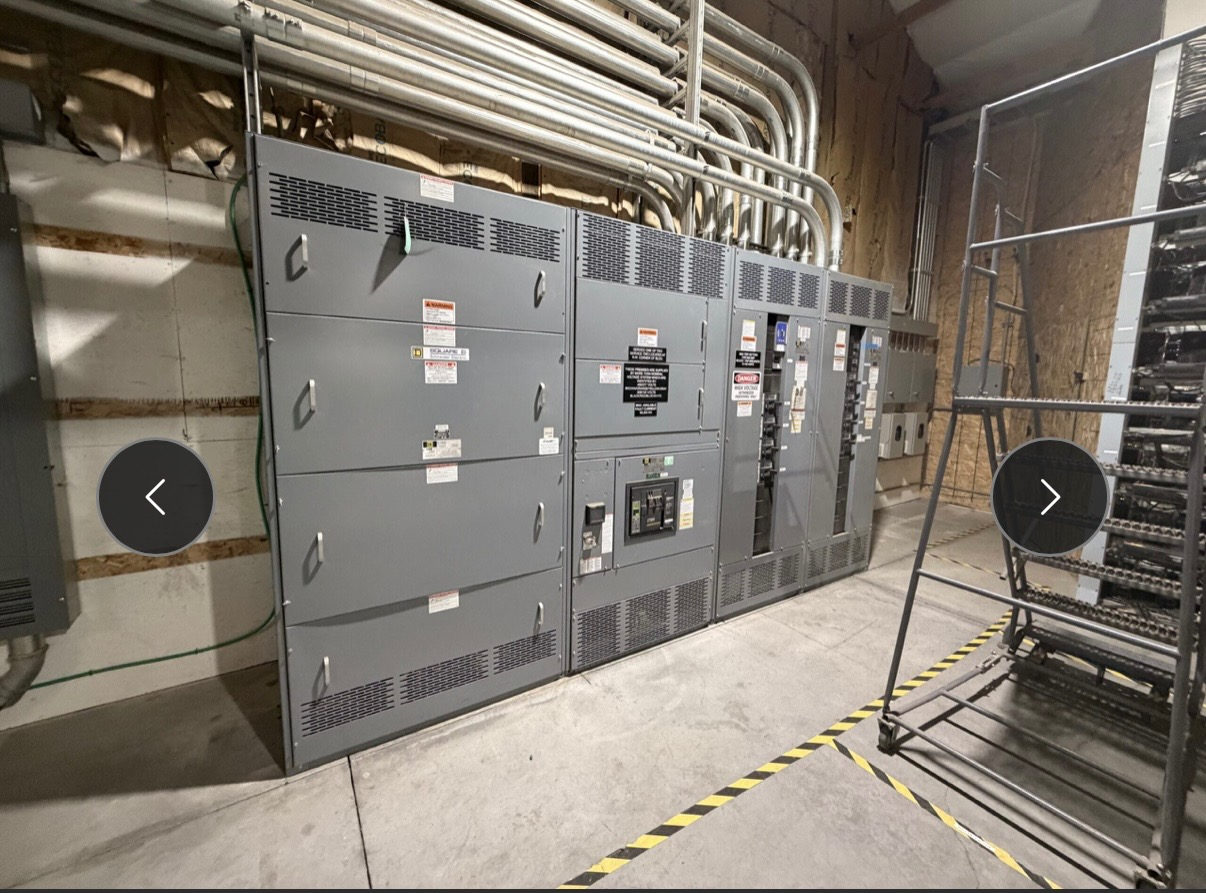
Plan Hutto Switchgear Around the Facility’s Distribution Needs
For a Hutto facility planning new switchgear, begin with the role the equipment must serve in the electrical distribution system. A manufacturing plant may need to route power to production areas, support motor-driven machinery, and supply downstream panels or process equipment. Those needs shape whether the project calls for a switchboard, switchgear, motor-control equipment, or a coordinated combination. The right arrangement depends on the electrical design, operating conditions, and applicable standards—not simply on the facility’s location or a general product category.
Describe what the assembly will feed and how it fits with existing or planned distribution. Note whether this is a new facility, an expansion, or a replacement, and identify any known interfaces with transformers, service equipment, generators, or downstream distribution. These details help establish a useful scope for a new-equipment inquiry and clarify which design questions need resolution before a quote can be prepared.
Document Production Loads and Motor Requirements
Plant distribution inquiries benefit from a load picture that separates production equipment from general building loads. Provide available load schedules, one-line diagrams, equipment lists, and anticipated additions if those documents exist. For motors, include known horsepower or electrical data, starting method, duty or operating pattern, and any process-specific sequencing requirements. Motor-control needs should be identified explicitly; a distribution assembly and motor-control equipment serve related but distinct functions, and the project design determines whether they are integrated or separately arranged.
Avoid estimating the required assembly from a single total-load figure. Qualified electrical professionals should confirm demand assumptions, diversity, starting effects, and the relationship between connected equipment and feeder design. If load information is incomplete, identify what is preliminary and what remains to be supplied. A clear distinction between confirmed data and planning assumptions lets the design and quote process address uncertainty without treating an early estimate as a final equipment rating.
Confirm Electrical Ratings and Site Conditions
A quote request should include the system voltage, phase and frequency, available fault-current information, and the intended service or distribution role when known. The assembly’s current rating, interrupting or withstand capability, protective-device arrangement, and enclosure must be selected for the specific system and installation conditions. None should be assumed from a typical plant layout. Provide site drawings or a written description of the electrical room or installation area, including access, space constraints, environmental exposure, and cable-entry preferences where these have been established.
Have the project’s qualified electrical professionals verify the system data and coordinate equipment selection with the design and relevant authorities. Applicable standards depend on equipment type and project details. UL 891 applies to suitable switchboard assemblies; it is not a blanket designation for every switchgear product or medium-voltage design. State any required standard or listing in the inquiry for review, while allowing the equipment design to determine what is applicable.
Shape the Assembly to the Plant Layout
Custom assemblies can be developed to project specifications, so explain how the equipment must connect to the plant’s distribution plan. Useful details include the number and purpose of feeders, anticipated future circuits, incoming conductor arrangement, metering or control requirements, and desired division of equipment functions. Identify which loads require dedicated feeders and whether any production areas have distinct operating or maintenance requirements. These choices affect the lineup arrangement and should be coordinated with the one-line diagram and space available.
For an expansion, provide the existing equipment information and interface limits rather than assuming a new assembly can connect without changes. For a new plant, share the current electrical design and note any items still under development. A manufacturer can review the requested configuration against the supplied project information, but final compatibility and ratings require design verification. Clear scope boundaries help distinguish the new assembly from field wiring, downstream equipment, and other work outside the quote.
Coordinate Review, Testing, and Procurement Timing
Before release, align the equipment description, drawings, feeder schedule, and technical requirements among the owner, electrical engineer, contractor, and other project participants. Resolve open questions about protection, controls, metering, interfaces, and applicable standards as early as practical. Any factory testing or documentation expectations should be stated in the inquiry so they can be reviewed for the proposed design. The scope of testing depends on the assembly and project requirements; do not assume a particular test package or acceptance procedure without confirming it.
For Hutto and broader Central Texas projects, account for coordination between manufacturing, design approvals, construction scheduling, and delivery to the project site. The manufacturer builds in the USA with all-American components and ships nationwide. Lead time is determined by project, configuration, and review requirements, so request a project-specific estimate rather than relying on a general timing assumption. Confirm the destination, requested schedule, and any delivery or receiving constraints when seeking a quote.
Prepare a Complete Hutto Quote Request
To start a focused inquiry for new switchgear, send the project location, application, one-line diagram, available load and feeder schedules, system voltage, fault-current data, and required equipment function. Include motor and production-load information, the number and purpose of feeders, known site constraints, and the applicable standards or listing requirements identified by the project team. Mark preliminary documents clearly and list unanswered questions. If drawings are not yet complete, provide a concise project description and identify who can confirm the technical data.
Ask for review of the proposed scope, configuration, applicable standards, and project-dependent lead time. Include the quantity of assemblies, planned installation phase, target decision or delivery window, and the person responsible for technical coordination. This gives the manufacturer a practical basis to identify missing inputs and develop a quote aligned with the Hutto facility’s distribution needs. Final equipment selection should follow specification review by qualified electrical professionals and any required review by relevant authorities.
Project specification checklist
Use this checklist to organize the details for a project-specific review. Final ratings, applicable standards and equipment selections depend on the approved design.
| Item | What to confirm |
|---|---|
| Application | Identify the facility type, production functions, and distribution role for the requested assembly. |
| System data | Confirm voltage, phase, frequency, available fault-current information, and design source. |
| Loads and feeders | Provide load schedules, motor details, feeder purposes, and known expansion needs. |
| Configuration | Describe interfaces, layout constraints, conductor entry, controls, and metering requirements. |
| Standards and review | State project-required standards or listing criteria for technical applicability review. |
| Schedule and delivery | Share project milestones, Hutto delivery destination, receiving constraints, and requested timing for a project-specific estimate. |