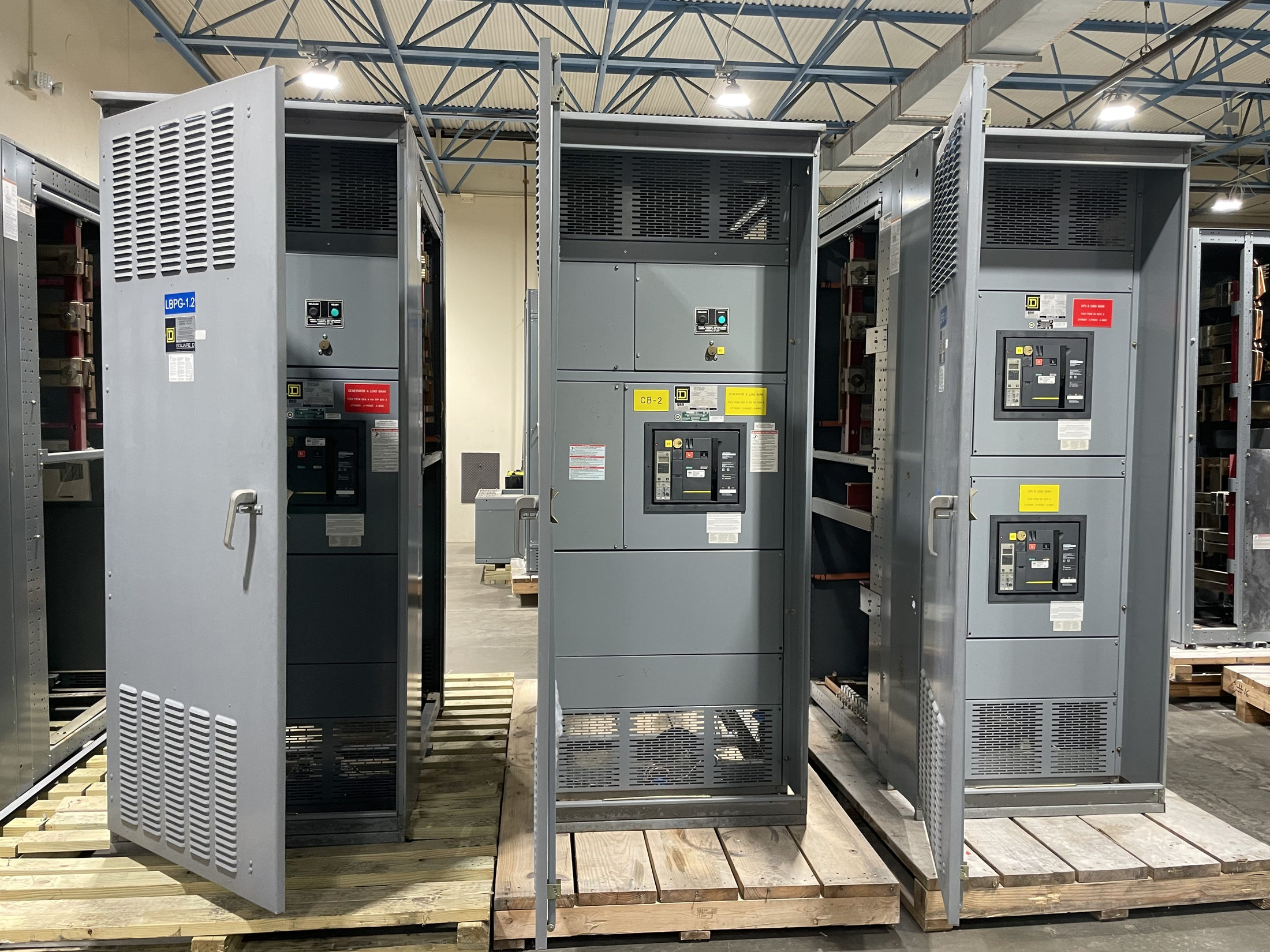
Define the Killeen Backup Power Application
A Killeen facility considering backup power transfer equipment should begin by identifying what must remain available when the normal source is lost. The application may involve transferring selected building loads to a generator or another approved alternate source, but the right arrangement depends on the facility’s electrical design and operating needs. List the loads that are essential, those that can pause briefly, and those that should be shed if alternate-source capacity is limited. Include the expected operating sequence and who is authorized to initiate or supervise it. This information gives the design team a practical basis for comparing transfer approaches and helps prevent the equipment scope from being driven by an assumed, one-size-fits-all backup configuration.
Confirm Both Sources and Their Ratings
Transfer equipment must be selected for the electrical characteristics of the normal and alternate sources, not just the connected load total. Project documents should establish source voltage, phase, frequency, available fault current, grounding arrangement, and the capacity and protection characteristics of each source. Confirm the intended operating conditions with qualified electrical professionals; ratings and acceptable configurations are project-specific. A generator’s transient response and ability to start or carry selected loads can affect the transfer sequence, while upstream protective devices influence coordination. Do not infer that a particular amperage, short-circuit rating, enclosure, or voltage is suitable based on another installation. Provide current one-line diagrams and source information for engineering review before finalizing new switchgear or transfer equipment.
Prioritize Critical Loads and Load Changes
A useful Killeen project inquiry distinguishes critical loads by function and consequence of interruption. Identify equipment that needs uninterrupted power, equipment that can tolerate an interruption during transfer, and loads that can be delayed or disconnected if the alternate source is constrained. Note motor starting, electronic equipment, operating schedules, and any planned future additions that could change demand. These details help determine whether loads should transfer together, in groups, or through a staged sequence. They can also reveal where separate distribution or load-shedding provisions merit evaluation. Have the responsible design professional verify load calculations and operational assumptions; this article is not a substitute for a site-specific electrical design or a determination of required capacity.
Choose Transfer Logic for Operating Needs
Transfer logic governs when equipment recognizes a source condition, how it moves loads, and what conditions permit retransfer. The project team should document whether operation is automatic or manual, the conditions that initiate transfer, any intentional delays, and how the system responds if the alternate source is unavailable or outside acceptable limits. Define the preferred return-to-normal sequence and whether load restoration should be staged. Open-transition and other transfer approaches have different operational implications; selection must account for source characteristics, connected equipment, and applicable design requirements. Interlocks and control interfaces should be reviewed as part of the complete system. Avoid specifying a control sequence from assumptions alone: the owner, engineer, and equipment supplier should reconcile it against the project’s approved operating requirements.
Coordinate Design, Assembly, and Verification
For a new-equipment inquiry, share the one-line diagram, load schedule, source data, control narrative, environmental conditions, and applicable project specifications as available. Identify interfaces with generators, protective devices, monitoring systems, and existing distribution equipment, including which party is responsible for each connection or signal. A manufacturer can review the requested assembly against the supplied design basis and clarify project-specific options; final suitability remains subject to qualified engineering review and relevant authorities. UL 891 may apply to suitable switchboard assemblies, but it does not automatically apply to every transfer or switchgear configuration. Applicable standards and any listing requirements depend on the equipment design and project. Establish inspection, functional-test procedures, acceptance criteria, and documentation expectations before procurement so verification aligns with the approved sequence.
Prepare a Complete Killeen Project Inquiry
To move an inquiry forward, provide the project location in Killeen, the desired procurement schedule, equipment scope, latest drawings, and the identity of the engineer or other technical contact coordinating the design. Include confirmed source ratings, critical-load priorities, transfer and retransfer logic, environmental requirements, and known constraints on access or shipment receiving. If details are still being developed, mark them as open questions rather than treating preliminary values as approved. The manufacturer builds new switchgear in the USA using all-American components, offers custom assemblies to specification, and can ship nationwide; lead time depends on the project and the design information available. Ask for a scope review and identify required submittals, review milestones, and delivery coordination needs before committing to a schedule.
Project specification checklist
Use this checklist to organize the details for a project-specific review. Final ratings, applicable standards and equipment selections depend on the approved design.
| Item | What to confirm |
|---|---|
| Normal and alternate sources | Confirm voltage, phase, frequency, capacity, grounding, protection, and available fault-current data for each source. |
| Critical-load schedule | Identify loads by priority, interruption tolerance, starting characteristics, and any planned future additions. |
| Transfer sequence | Document initiation conditions, transfer method, delays, load shedding, retransfer, and restoration behavior. |
| Equipment design basis | Review drawings, interfaces, environmental conditions, ratings, and applicable standards with qualified project professionals. |
| Verification and procurement | Agree on submittals, functional testing, acceptance criteria, shipment coordination, and project-dependent lead time. |