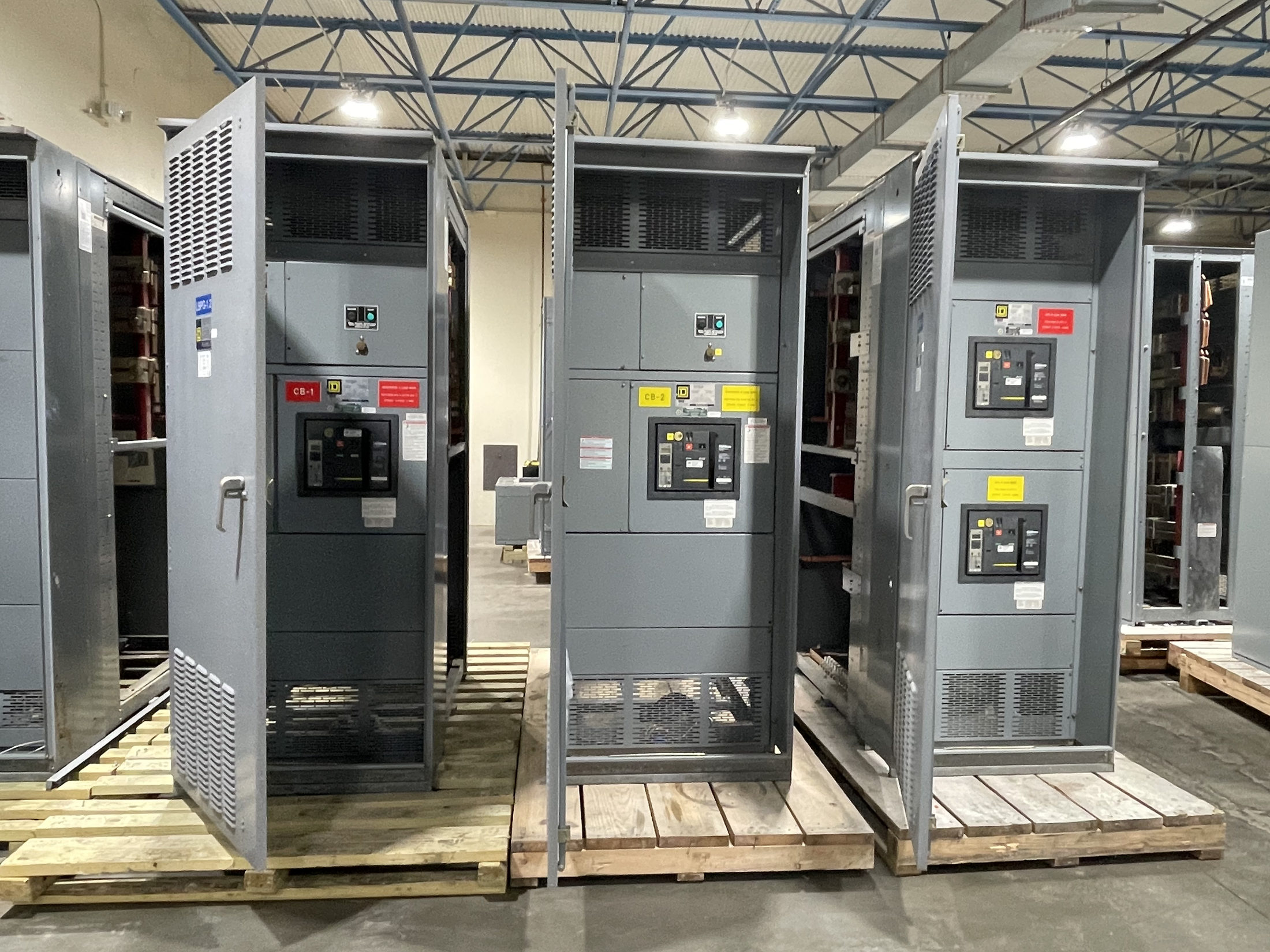
Planning New Switchgear for a Lockhart Facility
For a facility in Lockhart, selecting new switchgear starts with the work the electrical system must perform—not with a presumed standard lineup. A new installation may serve a building expansion, a changed load profile, or a modernization that replaces existing equipment. Each situation affects how the equipment connects to the source and downstream distribution, and how the project can be completed safely within operating constraints.
When requesting a quote, describe the facility use, project objective, and whether the work is new construction or a replacement. Share the current one-line diagram and equipment documentation if available. These details help establish whether the scope calls for a switchboard, low-voltage switchgear, medium-voltage equipment, or another assembly; terminology alone is not enough to determine the appropriate design.
Define the Electrical System and Required Ratings
Useful selection details include system voltage, phase and wire configuration, frequency, the available fault-current information, and the protective devices or coordination requirements identified by the project engineer. Confirm the service arrangement and the equipment’s intended role in the distribution system. Ratings must be evaluated against the actual source, conductors, protective scheme, and applicable design requirements; an existing nameplate rating does not by itself establish suitability for a replacement.
Also provide the load schedule, anticipated changes in demand, and any requirements for metering, control, communications, or selective coordination. Identify loads that cannot tolerate an interruption and any backup or alternate-source arrangements. Qualified electrical professionals should verify design assumptions and applicable codes and standards. UL 891 may apply to suitable switchboard assemblies, but it is not a blanket listing for every switchgear type or project.
Scope a Replacement Lineup and Its Interfaces
Modernization inquiries benefit from a clear boundary between equipment being replaced and equipment remaining in service. Document lineup dimensions, access and removal constraints, cable entry locations, conductor sizes and terminations, bus connections, grounding provisions, and the interfaces to upstream and downstream gear. Photos and dimensional drawings can help clarify existing conditions, but should supplement—not replace—verified field measurements and engineering documents.
List which breakers, metering, relays, control wiring, and communications functions must be retained, changed, or integrated. Note physical obstructions, room access, and any planned changes to connected loads. A replacement that fits the available footprint still needs electrical and mechanical compatibility review. If existing drawings conflict with observed conditions, flag the discrepancy early so the design and quote can identify assumptions, exclusions, and information that remains to be confirmed.
Coordinate Outage Limits and Project Sequence
For an operating Lockhart facility, outage limits can shape the replacement scope as much as the electrical ratings. State the permitted shutdown window, whether the facility can tolerate staged interruptions, which loads require continuous service, and whether temporary arrangements are being considered by the project team. Do not assume an outage plan is feasible from the equipment quote alone; switching, isolation, temporary power, and work sequencing require qualified professionals and site-specific planning.
Share target decision and installation milestones, dependencies on other trades, and any access or delivery restrictions known to the project. Identify who will coordinate field verification, utility or owner interfaces, and outage authorization. These details support realistic planning without implying that a particular schedule or site service is guaranteed. The responsible project parties should confirm safe work practices, permissions, and the final sequence before work proceeds.
Prepare a Useful Quote Package
A focused inquiry can include the one-line diagram, panel or lineup schedules, existing nameplates, control schematics, room drawings, and the project specification. Mark the documents with the proposed scope and identify what is missing or uncertain. Include the requested equipment type, quantities, known ratings, enclosure and environmental requirements, and any required options, while asking the design team to validate these against project conditions rather than treating preliminary values as approved selections.
For custom assemblies, explain the required arrangement and interfaces, along with any documentation or testing expectations stated in the project documents. Applicable standards and testing depend on the equipment design and project requirements. A complete package helps distinguish equipment supply from engineering, installation, and other work that may be outside the requested scope, and gives the manufacturer a sound basis to identify clarifications before preparing a proposal.
Move from Central Texas Inquiry to Design Review
Lockhart customers can begin by sending the project location, contact role, project stage, desired decision date, and available technical documents for review. Note whether the request is budgetary or intended for a defined procurement package, and provide a single point of contact for technical questions. The manufacturer builds new equipment in the USA using all-American components, offers custom assemblies to specification, and can ship nationwide. Lead time is project-dependent, so schedule needs should be discussed alongside scope and design completeness.
Before releasing equipment for manufacture, align the final submittal with the engineer’s approved design, connection details, ratings, and project requirements. Confirm how review comments will be resolved and what factory testing or records are specified. This practical sequence helps a Central Texas project team address gaps early, coordinate procurement with its outage plan, and avoid treating an initial inquiry as a substitute for qualified design review or approval by relevant authorities.
Project specification checklist
Use this checklist to organize the details for a project-specific review. Final ratings, applicable standards and equipment selections depend on the approved design.
| Item | What to confirm |
|---|---|
| System information | Confirm voltage, phase and wire configuration, frequency, source arrangement, and available fault-current data. |
| Replacement boundaries | Identify equipment to be removed or retained, lineup dimensions, conductor and bus interfaces, and verified field conditions. |
| Loads and functions | Provide load schedules and required breaker, protection, metering, control, communications, and continuity functions. |
| Environment and arrangement | Specify room conditions, enclosure needs, access, cable entry, and space constraints for project review. |
| Outage and schedule | State allowable interruption limits, sequencing dependencies, target milestones, and required delivery coordination. |
| Documents and compliance | Share drawings and project specifications; confirm applicable standards, submittals, and testing requirements with qualified professionals. |