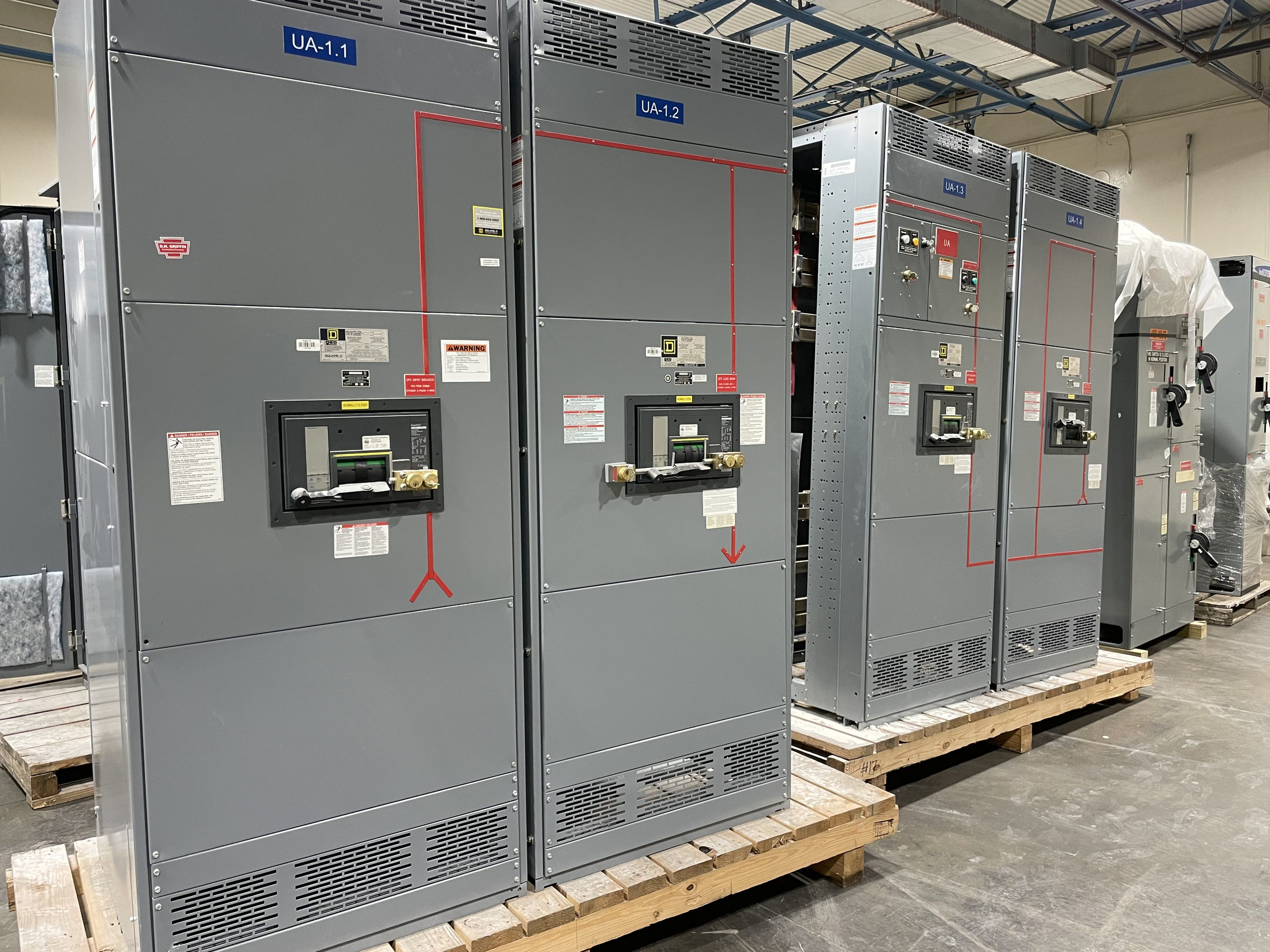
Define the Lockhart Modernization Boundary
A Lockhart modernization project begins by deciding what the new switchgear must replace and what must remain in service. Map the existing lineup, including sections, feeders, protective devices, metering, and connections to transformers, generators, or downstream panels. Identify equipment that will be removed, retained, or modified, and record any known condition concerns. This boundary helps distinguish a complete lineup replacement from a phased or partial change, where physical and electrical compatibility can be especially important. New equipment modernization projects should be planned around the facility’s actual operating needs, not an assumed standard arrangement. Gather available drawings, photographs, schedules, and prior modification records for qualified electrical professionals to review.
Document Interfaces Before Selecting Equipment
Existing connections often shape the replacement more than the nameplate on the old gear. Confirm system voltage, phase and wire configuration, grounding approach, source arrangement, bus connections, feeder destinations, cable or conduit entry points, and available room for the proposed lineup. Document control wiring, metering signals, interlocks, and communications that must be retained or reworked. Physical measurements should cover access routes as well as the equipment space, including clearances and obstructions relevant to the design and handling plan. Do not assume legacy dimensions or ratings transfer to new equipment. The final configuration, applicable standards, and any UL 891 switchboard applicability must be determined for the specific assembly and project.
Set Ratings and Protection from Verified Conditions
Specify equipment only after the electrical system and intended duty have been reviewed. Required voltage, continuous current, short-circuit capability, protective-device characteristics, enclosure selection, and environmental conditions all depend on the installation and must be verified; none is a universal default. Review available fault-current information, coordination objectives, load changes, and the consequences of interrupting particular circuits. Where records are incomplete, identify the missing studies or field information rather than guessing. Qualified electrical professionals should establish design requirements and confirm applicable standards with relevant authorities. This disciplined selection supports a replacement lineup that fits the system’s documented needs without carrying forward unsuitable assumptions from aging or previously modified equipment.
Design Around the Actual Outage Window
Outage limits should influence scope and sequencing early. Identify which loads can be interrupted, how long each interruption may be acceptable, whether temporary arrangements are feasible, and which parties control shutdown approval. A one-stage changeover may simplify interfaces, while a phased approach can add temporary connections, transition details, and commissioning steps that need careful engineering. Do not presume temporary power is available or appropriate. Build the schedule around design approvals, equipment production, site readiness, access, removal, reconnection, testing, and return-to-service decisions. For a Lockhart facility, coordinate these items with the owner’s operations team and project stakeholders; equipment supply does not itself establish on-site installation or service availability.
Coordinate Submittals, Testing, and Procurement
A useful new-equipment inquiry includes one-line diagrams, lineup elevations if available, equipment schedules, load and fault-current information, interface details, and the preferred outage sequence. Mark uncertain or changing items so the design review can focus on decisions that affect fit, protection, and schedule. Request drawings and technical submittals for review before fabrication, and define what factory testing and documentation are appropriate to the specified assembly. Field acceptance and energization planning remain matters for qualified personnel and relevant authorities; never treat factory checks as a substitute for installation review. The manufacturer builds in the USA using all-American components, can provide custom assemblies to specification, and can ship nationwide. Lead time is project-dependent.
Prepare a Decision-Ready Project Package
Before requesting a proposal, assemble a concise package with the replacement boundary, available drawings, verified system data, required interfaces, physical constraints, outage limits, and the date by which reviewed equipment is needed. List unresolved questions separately, such as whether existing controls must be reused or whether feeders will be rearranged; these choices can change the lineup design. Ask the design team to identify assumptions and required owner confirmations in its review. Compare proposed scope against the actual removal and reconnection plan, not just equipment descriptions. This gives a Lockhart project a practical path from inquiry to approved design while keeping ratings, standards, schedule, and site responsibilities subject to project-specific confirmation.
Project specification checklist
Use this checklist to organize the details for a project-specific review. Final ratings, applicable standards and equipment selections depend on the approved design.
| Item | What to confirm |
|---|---|
| Replacement scope | Confirm which existing sections, feeders, and connections are replaced, retained, or modified. |
| System data | Verify voltage, configuration, loads, available fault current, protection needs, and applicable standards. |
| Interfaces and fit | Document bus and cable connections, controls, metering, dimensions, access routes, and site constraints. |
| Outage plan | Establish interruption limits, sequencing, approvals, and whether any temporary arrangements are feasible. |
| Submittals and testing | Agree on drawing review, assembly-specific testing, documentation, and field acceptance responsibilities. |
| Schedule and delivery | Confirm project milestones and lead time for the defined design; shipping can be nationwide. |