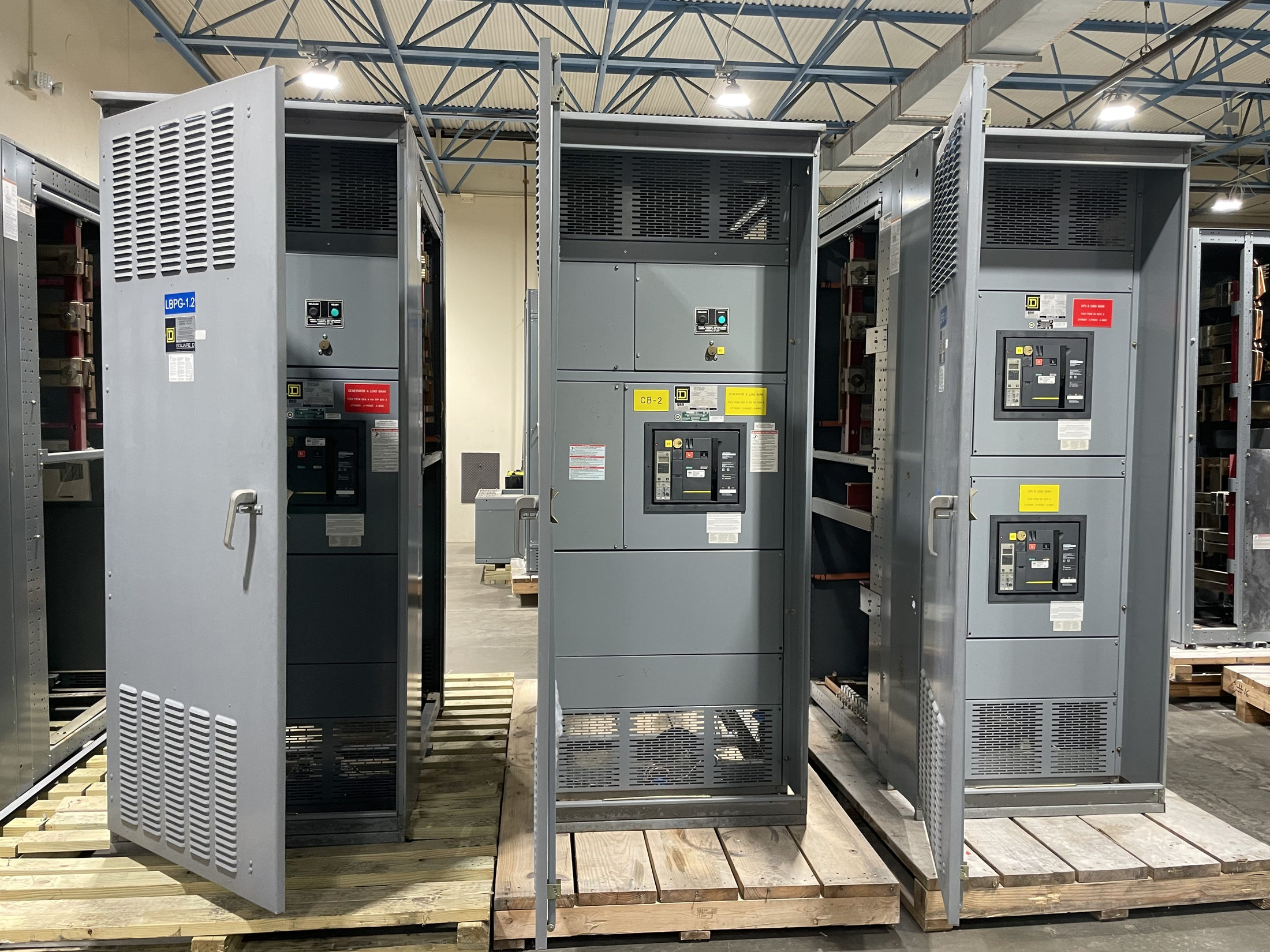
Planning new switchgear for a Pflugerville project
Pflugerville facilities may need new switchgear for a range of applications, from service distribution and building expansion to equipment replacement or a new motor control center. The right starting point is how the electrical system will be used: what it supplies, how loads operate, and what future changes the project must accommodate. A preliminary inquiry does not need every answer, but it should identify the project location, purpose, schedule expectations, and available electrical documents. That context helps determine which equipment category and design questions belong in the quote review.
For a Central Texas project, explain whether the equipment is intended for a new installation, a capacity change, or integration with existing gear. Share known constraints such as the installation environment, access limitations, and interfaces with upstream and downstream equipment. These details are for planning and review, not confirmation of suitability; qualified electrical professionals and relevant authorities must evaluate the design. New equipment is built in the USA with all-American components, and custom assemblies can be developed to project specifications, with lead time determined by the project.
Describe the electrical system and operating conditions
Useful selection information includes the system voltage, phase and frequency, available fault-current data, grounding arrangement, and the protective devices or distribution equipment connected to the proposed assembly. Provide source documentation where available, such as one-line diagrams, load schedules, and equipment specifications. Do not estimate or assume interrupting or short-circuit capability from an existing label alone: ratings and coordination must be reviewed against the actual system and applicable requirements.
Also describe where the equipment will be installed and how it will be accessed and maintained. Indoor or outdoor exposure, ambient conditions, available floor space, cable entry, working clearances, and restrictions on lifting or moving equipment can influence enclosure and construction choices. Confirm dimensions from the project documents rather than relying on a rough field estimate. The appropriate voltage class, enclosure, rating, and applicable standards depend on the design and site conditions; none should be treated as a universal selection.
Motor control center inquiries: loads, starters, and controls
For a motor control center inquiry, prepare a motor list with each load’s name or function, motor data, expected operating pattern, and any starting or stopping requirements specified by the design team. Identify which motors operate continuously, intermittently, or together, and note whether sequencing or interlocking is needed. Starter selection depends on motor characteristics, system conditions, operating demands, and project specifications; do not assume a particular starter type or size before engineering review.
Describe the control scheme as clearly as possible. Note whether commands come from local operators, a process system, or another control interface, and identify signals, alarms, permissives, and communication requirements that are already defined. Include relevant control drawings and equipment interface information if available. These details help establish the lineup arrangement and identify questions for coordination. A motor control center is not a substitute for reviewing feeder protection, fault duty, and system coordination; those elements require project-specific evaluation by qualified electrical professionals.
Choose construction around the project requirements
A custom assembly can be shaped around the project’s distribution needs, device arrangement, feeder count, metering, control interfaces, and planned expansion. Explain which functions must be grouped together and whether the design documents call for separation or particular access arrangements. For a motor control center, clarify the mix of motor units and other distribution or control sections, while leaving final configuration and ratings to specification review. If the project has a defined equipment schedule or approved design basis, include it with the inquiry.
Applicable construction standards depend on equipment type and design. UL 891 applies to suitable switchboard assemblies; it does not automatically apply to every switchgear product or to medium- or high-voltage equipment. Share any required standard, listing, or specification language so its applicability can be assessed for the proposed assembly. Do not treat an existing product’s designation as proof that a new design is appropriate. The project team should verify requirements with the electrical engineer and relevant authorities before procurement decisions are finalized.
Coordinate submittals, interfaces, and testing expectations
Before a quote is developed, identify who will review equipment submittals and what documents are needed for that review. Useful inputs may include the one-line diagram, load schedules, control schematics, equipment schedules, site constraints, and written technical requirements. Clarify how the new assembly will connect to existing or planned equipment, including specified cable entry and control interfaces. Where information is incomplete, list open items rather than filling gaps with assumptions; unresolved source data can affect design, price, and schedule.
Ask what inspections, factory checks, or testing are required by the project documents, and distinguish those requirements from field installation and commissioning responsibilities. Testing scope and acceptance criteria must be agreed for the actual equipment and contract. Coordinate delivery sequence and site readiness with the project’s electrical contractor and construction team; shipment nationwide is available, but timing depends on project details. No site service in Pflugerville should be assumed from an equipment inquiry. Work on installation and testing must follow the project plan and applicable safety requirements.
Prepare a focused quote request from Pflugerville
A clear request can begin with the project name or reference, Pflugerville-area site location, equipment purpose, target procurement schedule, and the best available electrical drawings. Add the requested equipment type, known system data, motor list if relevant, required standards, preferred configuration, and any delivery or access constraints. If an engineer is still developing the design, identify what is preliminary and what is confirmed. That distinction helps keep a proposal aligned with documented requirements rather than implying an unverified rating, enclosure, or performance capability.
Before sending the inquiry, check that drawing revisions are current and that motor and load information matches the intended project scope. Point out exclusions or unresolved questions, such as future expansion, control-system interfaces, or required submittal milestones. A specification review can then identify missing data and clarify custom assembly options, applicable standards, and project-dependent lead time. For Pflugerville customers, the practical next step is to assemble these documents and requirements for review with the project’s qualified electrical professionals and the manufacturer before final equipment selection.
Project specification checklist
Use this checklist to organize the details for a project-specific review. Final ratings, applicable standards and equipment selections depend on the approved design.
| Item | What to confirm |
|---|---|
| Project purpose | Confirm whether the request is for distribution, replacement, expansion, motor control, or another defined application. |
| System information | Provide documented voltage, phase, grounding, available fault-current data, and connection details for review. |
| Motor control needs | List motor data, operating patterns, starter requirements, control signals, and sequencing information where applicable. |
| Site and layout | Confirm installation environment, dimensions, access, cable entry, and any handling or placement constraints. |
| Standards and deliverables | Identify required standards, listing expectations, submittals, inspections, and testing criteria for project-specific evaluation. |
| Procurement coordination | Share drawing revisions, quote scope, target schedule, delivery constraints, and unresolved design questions. |