Plan Georgetown Expansion Around the Load Ahead
Georgetown industrial facility expansions can add production lines, process equipment, HVAC capacity, material-handling systems, or new building areas. Each addition may change the electrical demand and the way power is distributed across the site. Before requesting new switchgear, document existing loads, planned additions, expected operating schedules, and any future phases already under consideration. Distinguish loads that operate together from those used intermittently, and identify equipment with significant starting or transient demands for review by qualified electrical professionals.
A useful inquiry describes both the immediate expansion and the intended end state. Include available one-line diagrams, utility information, existing equipment data, and known site constraints when available. These inputs help determine whether the project calls for a new distribution point, a replacement assembly, or equipment that connects to an existing system. Do not treat current spare capacity as established without verification; operating conditions, protection settings, and system studies can affect what can be added safely.
Translate Growth Into Switchgear Requirements
New switchgear selection begins with the electrical system, not a catalog label. Confirm the system voltage, required continuous current, available fault current, grounding arrangement, and the protective-device functions required for the application. The appropriate equipment type and applicable standards depend on system design and project conditions. A switchboard intended for a suitable application may be built to UL 891, but that standard does not automatically apply to every switchgear assembly or voltage class.
Have the electrical engineer and other responsible professionals evaluate fault-current duty, protective-device coordination, arc-flash considerations, and any required study updates. Confirm whether the expansion changes the source, transformer arrangement, or downstream feeder lengths. Ratings and device choices must be verified against the actual system and governing requirements; no single amperage, interrupting rating, or enclosure is appropriate for every Georgetown facility. Provide operating and environmental conditions so the manufacturer can review a design against the project specification.
Fit the Assembly to the Facility Layout
Industrial expansion plans often compete for floor space with production, access routes, piping, and material movement. Share current and proposed room plans, access dimensions, equipment clearances, cable-entry preferences, and the intended route from the electrical room to new loads. Identify doorways, overhead obstructions, and any limits on moving an assembled lineup into position. These details can influence section arrangement, assembly dimensions, and how the equipment is divided for transport and installation.
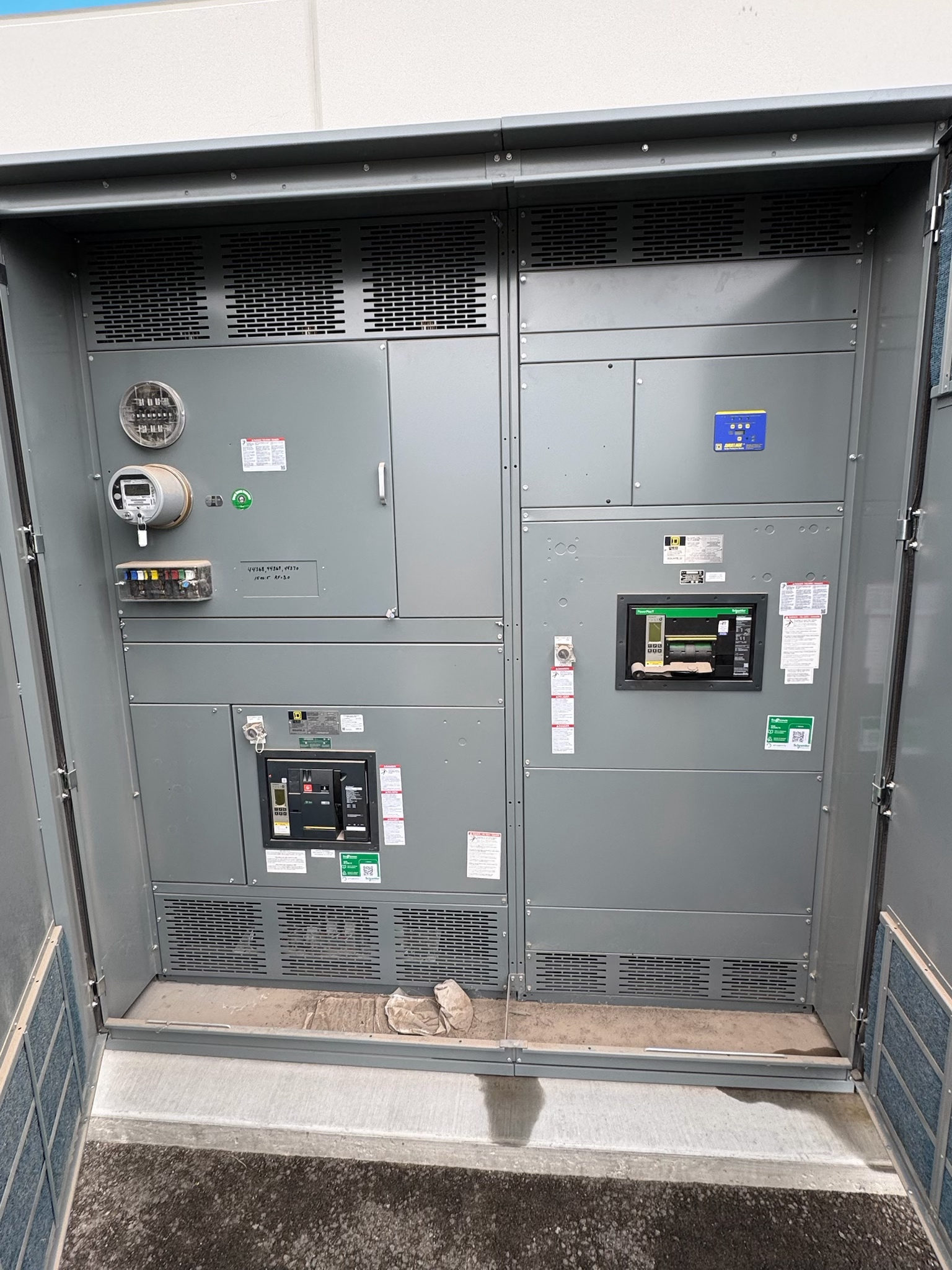
Discuss enclosure requirements and the installation environment rather than assuming a standard configuration will fit. Indoor or outdoor use, exposure to dust or moisture, ambient conditions, and access for inspection may affect design choices, subject to engineering review. Confirm whether cable termination space, future feeder provisions, metering, or controls need to be included. A dimensioned layout and clear interface responsibilities help reduce late changes, but final clearances and placement must be checked against applicable codes, manufacturer instructions, and the project’s approved plans.
Design for Construction and Operating Phases
A phased expansion may require one portion of the distribution system to serve current operations while later areas are completed. Describe the construction sequence, target equipment interfaces, planned shutdown windows, and which loads must remain available during each phase. This information helps the design team assess section boundaries, feeder takeoffs, future provisions, and connection points without presuming that energized work or uninterrupted service can be achieved. Qualified professionals must plan and authorize all installation, switching, and commissioning activities.
Make clear whether the requested new switchgear is for a standalone addition or must coordinate with existing equipment. Submit relevant drawings, device schedules, protection information, and available field-verified data for review. If existing conditions are uncertain, identify them as items requiring confirmation rather than treating assumptions as design facts. Agree on who will supply upstream and downstream equipment, prepare terminations, verify interfaces, and update studies. Phasing decisions should account for safe isolation and the approved construction plan.
Coordinate Submittals, Testing, and Procurement
A complete inquiry supports a more useful design and schedule discussion. Provide the project specification, one-line diagram, load information, layout drawings, required device functions, and requested submittal documents. Identify review milestones, procurement dependencies, and the date equipment information is needed for room coordination. The manufacturer builds in the USA using all-American components and can develop custom assemblies to specification; applicable UL 891 assemblies can be considered where the design qualifies. Lead time is project-dependent, so confirm it against the final scope and current schedule.
Before release, review drawings and equipment data for ratings, dimensions, connections, device arrangement, and interfaces with the rest of the system. Establish what factory testing or documentation the specification requires and how results will be reviewed. Testing does not replace field verification, installation checks, or commissioning by responsible project parties. Resolve deviations and open questions before approval, then coordinate manufacturing and shipment timing with the project’s construction sequence. Equipment can ship nationwide, with delivery planning based on the confirmed order and destination.
Prepare a Georgetown Project Inquiry
For a practical first review, assemble the facility’s current one-line diagram, expansion load schedule, proposed layout, project specification, and a short description of construction phases. Note what is known, what is estimated, and who will verify each unknown. Include the requested equipment scope, key interfaces, environmental conditions, submittal needs, and schedule milestones. If drawings are preliminary, label them accordingly and identify when updated information is expected. This gives the manufacturer a clear basis to discuss a custom new-equipment configuration without implying that unverified site conditions are settled.
Next, have the project’s qualified electrical professionals confirm system data, applicable standards, protection requirements, and acceptance criteria with relevant authorities. Ask the manufacturer to identify information needed to complete design review, clarify assumptions in the proposed scope, and discuss project-dependent lead time and shipment coordination. Keep layout approval, equipment approval, and construction sequencing aligned as plans develop. This disciplined exchange helps Georgetown facility teams compare a proposed assembly with expansion needs before procurement decisions become difficult to change.
Project specification checklist
Use this checklist to organize the details for a project-specific review. Final ratings, applicable standards and equipment selections depend on the approved design.
| Item | What to confirm |
|---|---|
| Load-growth basis | Document existing demand, planned additions, operating schedules, and future phases for engineering review. |
| Electrical system data | Confirm voltage, grounding, available fault current, protective functions, and applicable project requirements. |
| Layout and environment | Provide room plans, access constraints, cable-entry needs, clearances, and installation conditions for design review. |
| Phasing and interfaces | Define construction sequence, shutdown planning, existing-equipment connections, and responsibility for system interfaces. |
| Submittals and testing | Specify drawing, documentation, and factory-test requirements; confirm acceptance and field verification responsibilities. |
| Procurement and delivery | Align scope approval, project-dependent lead time, and shipment coordination with construction milestones. |