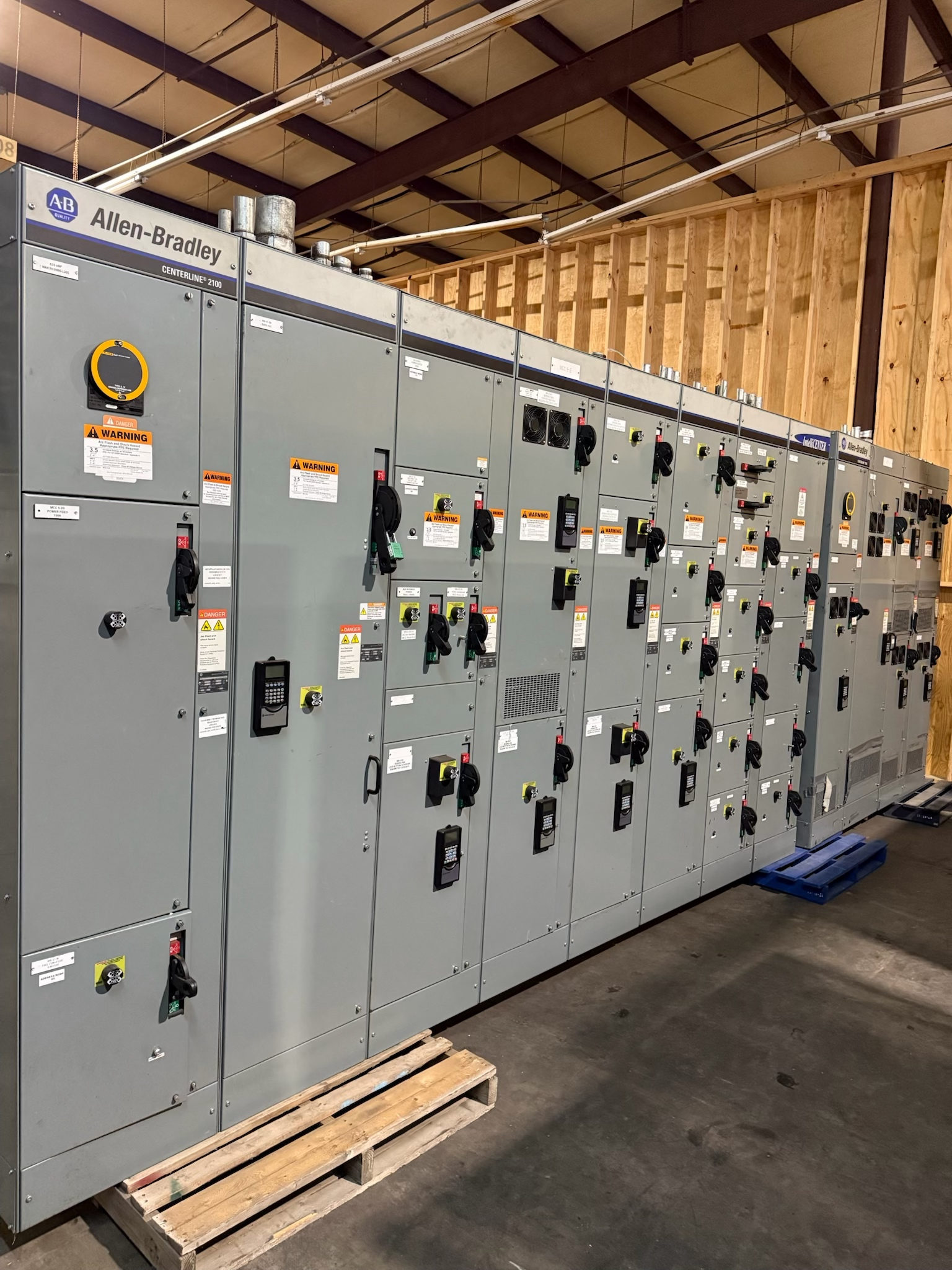
Planning switchgear for San Marcos facilities
For a San Marcos facility, new switchgear should be selected around the electrical system it will serve—not simply by building size or a preferred product name. A campus distribution inquiry may involve a utility or other campus source, incoming equipment, feeder sections serving buildings, and the operating boundaries between them. Commercial, municipal, and industrial projects have their own source and load arrangements. Early clarity on these relationships helps define a useful equipment scope and quote.
A request for San Marcos switchgear can begin with a one-line diagram, if available, plus a short description of the site and intended use. Identify whether the project is new construction, a capacity change, or replacement, and distinguish the equipment included from existing upstream and downstream gear. For Central Texas projects, the manufacturer can discuss custom assemblies built in the USA with all-American components and shipment planning; delivery timing depends on the reviewed project requirements.
Describe campus sources and feeder boundaries
University campus distribution inquiries benefit from a clear account of each source and feeder. Describe the incoming source arrangement, whether more than one source or a tie is part of the design, and which outgoing feeders serve academic, residential, research, or support facilities. These are project descriptions, not assumptions about a particular campus system. Include the intended operating arrangement and any required separation of sections so the proposed lineup can be checked against the actual one-line and engineering criteria.
If drawings are preliminary, list known source details and identify what remains to be confirmed by the campus electrical team, utility, engineer, or other authority. Share feeder destinations and any planned future connections, but do not treat spare space or future capacity as an equipment commitment until specified. This context helps scope bus arrangement, compartments, metering or protective provisions, and interfaces without guessing at voltage, current, fault duty, or product classification.
Confirm ratings and applicable equipment standards
The equipment schedule and study documents should establish system voltage, continuous-current needs, available fault current, required short-circuit performance, and the protection and coordination approach. Confirm these values for the installation point with qualified electrical professionals; none can be inferred from a city, campus name, or building type. Also describe indoor or outdoor placement, environmental conditions, access constraints, cable or bus connections, and any operating or maintenance clearances relevant to the design.
Standards and listing requirements depend on the equipment type and project design. UL 891 applies to suitable switchboard assemblies; it does not automatically apply to every switchgear product or to medium- or high-voltage equipment. Identify the intended equipment classification and any specifications that govern the project so the proposed assembly can be reviewed appropriately. Final selection should be checked against design documents and requirements of relevant authorities, not a general-purpose rating assumption.
Shape the assembly around the installation
Custom design choices can affect both the lineup and the interfaces around it. Explain the desired number and purpose of sections, feeder arrangement, metering or control needs, access direction, cable entry, and how the assembly connects to existing or planned equipment. For a campus project, note whether distribution boundaries follow building groups, academic zones, or other operational divisions. Provide drawings and equipment schedules where available, and flag known site limitations for review rather than relying on unverified dimensions.
The quote scope should distinguish included equipment from field connections, upstream devices, downstream panels, and work by others. Identify requested accessories or control functions by specification, and state whether a requirement is mandatory or a design question. The manufacturer offers assemblies built to specification, but feasibility and configuration depend on engineering review. This early scope definition gives the project team a clearer basis for comparing proposals and reducing gaps between the documented design and the equipment being quoted.
Coordinate review, testing, and academic schedules
Before release, coordinate the proposed equipment documents with the electrical engineer, owner, and relevant authorities. Review the one-line, schedules, interface points, dimensions, protection requirements, and applicable standards together; resolve discrepancies before manufacturing. Testing and documentation should be identified in the project specification and confirmed for the selected design. Do not assume a particular test, listing, or acceptance process without verifying that it applies to the assembly and project.
University work may need to fit around academic terms, planned shutdowns, occupied buildings, or restricted access periods. Include decision deadlines, required submittal reviews, target shipment window, and any campus sequencing constraints in the inquiry. These details help assess a practical lead time, which is project-dependent, and support coordination between equipment procurement and installation planning. They do not establish a guaranteed delivery date or on-site service commitment; confirm responsibilities and schedule assumptions with the project team.
Prepare a quote request the team can act on
A useful San Marcos quote request can include the current one-line diagram, equipment specifications, load or feeder schedules, fault-study information, layout constraints, desired scope, and target procurement milestones. Mark document revisions and separate confirmed values from open questions. For campus distribution, name the source and feeder interfaces in the documents and explain which academic or building schedule constraints affect review and shipment planning. If a design is still developing, request clarification on the information needed to complete the equipment proposal.
Send the inquiry with the project location, owner or facility type, new-build or replacement context, applicable standards, and a point of contact for technical questions. Ask which submittal information and schedule assumptions are needed next. A qualified electrical professional should verify system data and final selections, with relevant authorities reviewing requirements as applicable. Clear inputs make it easier to evaluate a custom assembly and plan nationwide shipment without assuming local inventory, a San Marcos office, or guaranteed site service.
Project specification checklist
Use this checklist to organize the details for a project-specific review. Final ratings, applicable standards and equipment selections depend on the approved design.
| Item | What to confirm |
|---|---|
| System and source data | Confirm system voltage, source arrangement, grounding, and the design documents governing the connection. |
| Feeder and lineup scope | Identify feeder destinations, section boundaries, connection interfaces, and any specified future provisions. |
| Electrical ratings | Provide verified continuous-current and fault-duty requirements for the installation point. |
| Installation conditions | Document indoor or outdoor location, environment, access, cable entry, and dimensional constraints. |
| Standards and submittals | List applicable project specifications, required equipment classification, and review or testing documentation. |
| Procurement schedule | Share academic or shutdown constraints, decision milestones, and desired shipment timing for project review. |