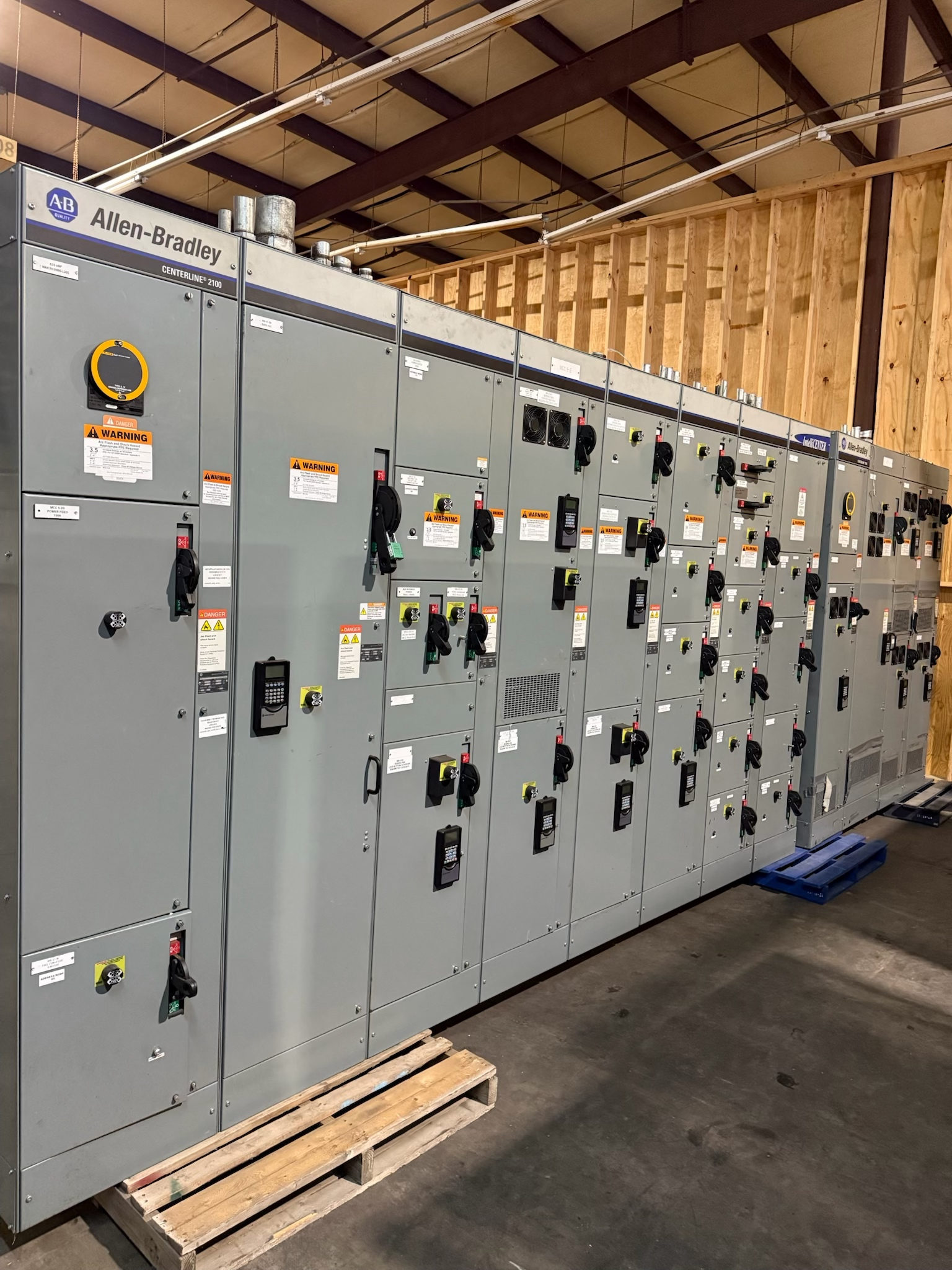
Planning New Switchgear for a Waco Facility
For a Waco facility planning an electrical upgrade or new installation, the first step is to describe what the equipment must serve. A distribution switchboard, switchgear lineup, or motor-control assembly may address different needs, so the project’s load types and operating goals matter more than a general request for “switchgear.” Note whether the equipment supports a new building, a process expansion, replacement of existing gear, or a change in how loads are supplied.
Share the installation location within the facility, the intended source and downstream connections, and the project schedule or decision milestones. These details help frame a quote around the actual application rather than assumptions. New equipment is built in the USA with all-American components, and custom assemblies can be developed to specification. Equipment selection and applicable standards depend on the design and project review.
Describe Loads, Supply, and Existing Conditions
A useful inquiry identifies the electrical supply information available to the design team, the loads to be served, and any existing equipment that the new assembly must interface with. Provide confirmed system voltage, phase and frequency, source arrangement, available fault-current information, and required ampacity or interrupting duty when established by qualified professionals. If values are preliminary, label them as such instead of treating estimates as final design inputs.
For replacement work, photographs, nameplate data, one-line diagrams, and existing equipment dimensions can clarify the scope, provided they are collected safely by qualified personnel. Identify feeder destinations, metering or control requirements, and any planned future loads. Do not infer that existing ratings are adequate for new equipment; the design team and relevant authorities must verify system conditions, protection, and applicable requirements before equipment is specified.
Motor-Control Inquiries: Characteristics and Starters
Waco customers requesting industrial motor-control equipment should list each motor’s nameplate information, including rated voltage, full-load current, horsepower or other available data, and duty or operating conditions. Describe whether motors start together or in sequence, how often they start, and whether the process requires speed control, reversing, braking, or a particular control interface. These operating details influence starter selection and the arrangement of the assembly.
State whether the proposed solution calls for across-the-line starters, reduced-voltage starting, variable-frequency drives, or another approach, if that has already been determined. If not, describe the process need and invite technical review rather than guessing. Also identify control power, interlocks, remote commands, instrumentation, and connections to plant systems. Motor protection and coordination must be evaluated against the actual motors, supply, and process requirements; no starter type or rating is universal.
Fit, Access, and Project-Specific Assembly Choices
Physical access can be as important as the electrical design. Provide the proposed room or installation area dimensions, available clearances, door and corridor constraints, floor or base details, cable-entry preferences, and the route from the receiving point to the final location. Note any restrictions on assembly size, section placement, or service access. These are planning inputs for equipment configuration and logistics, not confirmation that a particular arrangement will fit.
Describe enclosure and environmental needs based on the actual installation conditions, including indoor or outdoor placement and exposure to moisture, dust, corrosive materials, or temperature extremes. Identify preferred component layouts, spare spaces, separation requirements, and maintenance access where applicable. Confirm dimensions and clearances against project drawings, equipment design, and applicable codes with qualified professionals. Custom assemblies can be developed to specification, but each requested feature must be reviewed for compatibility, standards, and the project’s operating requirements.
Coordinate Design Review, Testing, and Delivery
Before finalizing a Waco switchgear quote, align the equipment scope with the project’s electrical design and interface responsibilities. Share the latest one-line diagram, load schedules, control schematics, and applicable specifications when available. Identify who will confirm protective-device coordination, arc-flash analysis, grounding, utility or facility interfaces, and code requirements. Those technical decisions belong with the project’s qualified electrical professionals and relevant authorities.
Ask what design submittals and factory testing are appropriate for the specified assembly, and confirm the scope and acceptance criteria during the quote process. UL 891 may apply to suitable switchboard assemblies; it does not automatically apply to every switchgear product or to medium- or high-voltage equipment. Applicable standards and testing depend on design. Lead time is determined by the project and configuration. For nationwide shipment to Central Texas, coordinate delivery access, receiving arrangements, and the planned installation sequence with the project team.
Prepare a Clear Quote Request from Waco
A focused request helps turn an early inquiry into a reviewable equipment scope. Include the project description, equipment type if known, supply data, load or motor schedules, required ratings, drawings, enclosure conditions, space constraints, control needs, and requested accessories. Attach available specifications and identify open questions or assumptions. State the project phase, target decision date, and any milestone that affects submittals or delivery planning, without treating a requested date as a guaranteed lead time.
Before sending the inquiry, have the project’s electrical lead check that documents are current and distinguish verified data from pending decisions. For motor-control requests, organize motor details and starter requirements by load, then note access and cable-entry constraints for the proposed location. A quote can be refined as design information develops; changes to ratings, layout, or scope may affect the assembly. This preparation gives the manufacturer a practical basis to review a new equipment request for a Waco-area project.
Project specification checklist
Use this checklist to organize the details for a project-specific review. Final ratings, applicable standards and equipment selections depend on the approved design.
| Item | What to confirm |
|---|---|
| System and supply data | Confirm voltage, phase, frequency, source arrangement, and available fault-current information with the project design team. |
| Loads and motor schedule | Provide load details and motor nameplate characteristics, operating sequence, starting needs, and required control functions. |
| Protection and ratings | Identify project-established ampacity, interrupting duty, and protection requirements for qualified technical review. |
| Installation constraints | Confirm room dimensions, clearances, access route, cable entry, enclosure conditions, and service access. |
| Documents and milestones | Share current diagrams, specifications, open assumptions, submittal needs, and project timing for quote review. |
| Standards and testing | Determine applicable standards, listing scope where relevant, and factory test criteria for the specified assembly. |