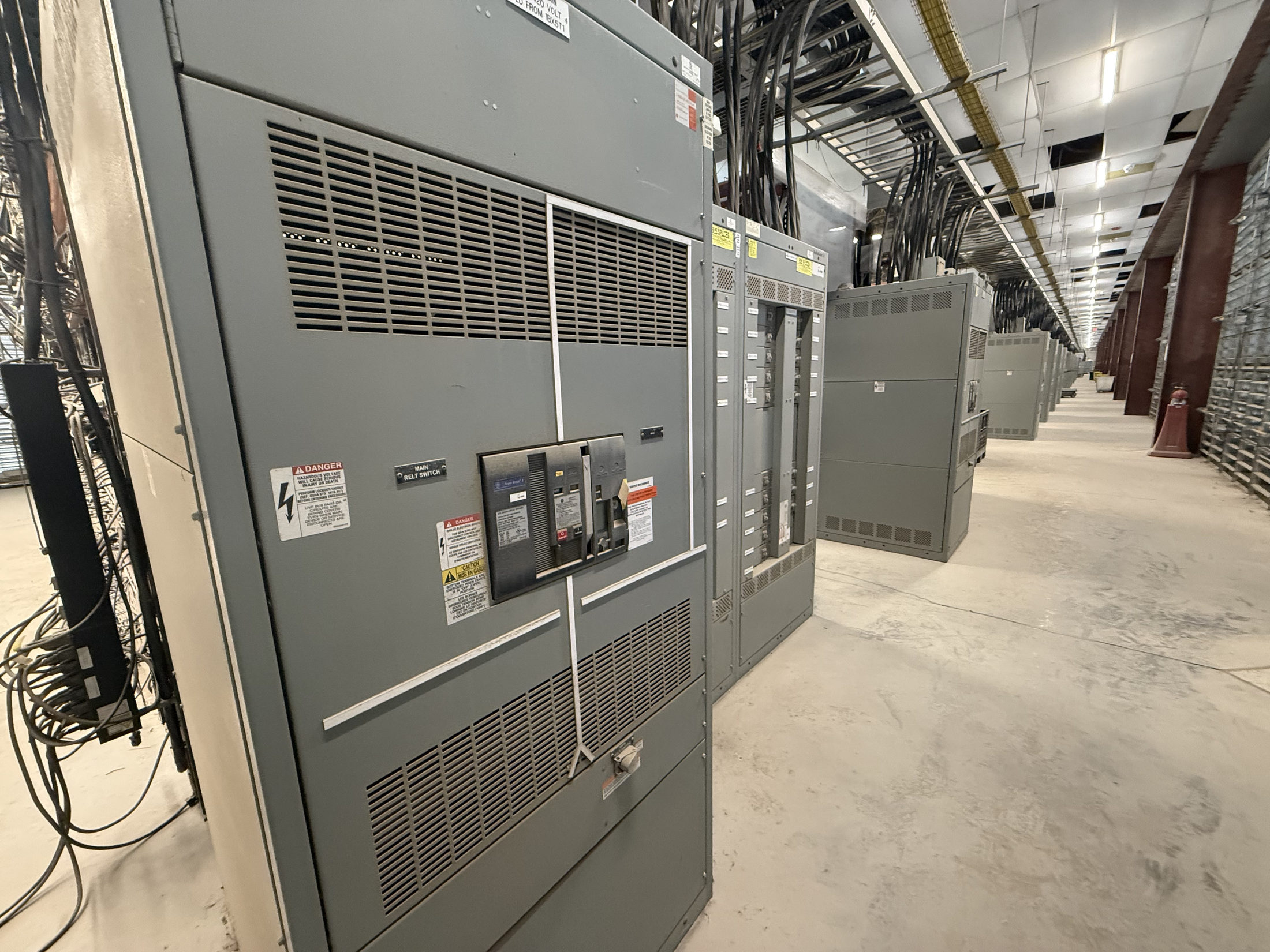
Why Change Control Matters for New Switchgear
Engineering change management gives a new switchgear project a controlled way to move from an approved design basis to a revised one. A change may begin with a load update, revised one-line diagram, equipment-room constraint, protection requirement, or an interface clarification. Without a traceable record, different participants can work from different drawings or assumptions, creating avoidable rework and uncertainty about what is being supplied.
The process is not simply a drawing update. Each proposed revision needs an identified source, a clear description of what changes, an assessment of affected documents and components, and approval by the people authorized to make that decision. For a customer, this creates a practical record of design intent and makes cost, procurement, and schedule consequences visible before the change is incorporated.
Establish a Reliable Revision Baseline
Start by identifying the current approved basis: applicable specifications, one-line and three-line diagrams, load data, protection and metering requirements, equipment arrangement, and relevant site or installation constraints. Record document numbers, revision identifiers, dates, and approval status. Where information is preliminary or unresolved, mark it as such rather than allowing it to appear settled in downstream design or procurement.
The baseline should also identify the project participants responsible for technical review and approval. These may include the customer’s electrical engineer, facilities or operations representatives, the equipment manufacturer, and other parties responsible for connected systems. Define how comments are submitted, how conflicts are resolved, and which version controls. Clear ownership helps prevent informal direction from becoming an untracked design instruction.
Evaluate Electrical and Physical Impacts
A proposed revision should be screened against the full equipment design, not only the drawing where it first appears. Changes to incoming or outgoing circuits, protective devices, metering, control power, bus arrangement, or operating sequence can affect related components and interfaces. Confirm the project-specific voltage, current, short-circuit requirements, environmental conditions, and applicable standards with qualified electrical professionals; none should be presumed suitable from a previous design.
Physical and operational interfaces also matter. A changed lineup arrangement or connection point may affect room clearances, cable entry, conduit routing, access for operation, or coordination with adjacent equipment. Identify which customer-furnished data and external systems need updating, such as control wiring interfaces or protection settings. Record assumptions that remain open and assign an owner and due date, so a pending answer is not mistaken for an approved design choice.
Route Changes for Documented Approval
Use a change request or equivalent record that states the reason, requested revision, affected equipment and documents, and the date the change is needed. The engineering review should explain the technical consequences and identify dependencies; the customer or designated project authority should then accept, reject, or defer the proposal. Approval should be explicit and retained with the revision history rather than inferred from a meeting discussion or a marked-up drawing alone.
For each accepted change, update the controlled drawings, specifications, schedules, and other affected records consistently. Identify the superseded versions and communicate the new revision to everyone who relies on them. If a change is rejected or deferred, preserve that disposition and the basis for it. This disciplined record helps reviewers understand which decisions are final and gives procurement and manufacturing a reliable instruction set.
Make Cost and Schedule Effects Visible
Change impacts depend on timing and scope. A revision before design approval may require less rework than one received after components have been selected, ordered, or incorporated into production. Review whether the change affects engineering effort, material selection, supplier commitments, drawing review, assembly sequence, or planned inspections and tests. Any resulting cost or schedule adjustment should be evaluated for the specific project; it should not be assumed from the change description alone.
A useful impact review separates confirmed effects from items still awaiting information. State what work must pause, what can proceed without risk of conflict, and when a decision is needed to protect the project plan. If a changed requirement alters an interface or test plan, identify the responsible reviewer and the records that must be revised. This gives decision-makers a clear basis for weighing the technical request against procurement and delivery consequences.
Coordinate Procurement, Manufacturing, and Verification
Before releasing a revision for implementation, reconcile it with the latest approved design and the status of affected materials or work. Procurement should receive the controlled requirements needed to evaluate component changes, while manufacturing should have current documents and clear disposition instructions for any work already underway. The review should identify whether existing selections remain appropriate or need reevaluation, without assuming a particular component, rating, or configuration is interchangeable.
Verification planning should follow the revised design and applicable project requirements. Determine whether drawings, inspection points, functional checks, or other specified tests need changes, and document who approves those updates. Standards and any applicable listing depend on the assembly and design; for example, UL 891 applies to suitable switchboards, not automatically to every type of switchgear. Qualified professionals should confirm the relevant requirements before finalizing the revision.
Close the Revision with a Practical Handoff
A change is ready for handoff when its technical basis, approval, affected documents, and implementation status are clear. Provide the project team with a concise revision summary, the current approved drawing set, any open items, and the decision record. Confirm that procurement and manufacturing are aligned to the same revision, and identify whether updated information is required from the customer or another interface owner before work can continue.
For a new switchgear project, the practical next step is to submit the requested change with its reason, supporting documents, desired decision date, and known interface effects. Ask for a documented review of technical fit, cost implications, and schedule impact before treating the change as incorporated. Keep unresolved requirements visible, then verify the final design against project specifications and applicable authority requirements. This approach supports a controlled build without promising an outcome before project review.
Project specification checklist
Use this checklist to organize the details for a project-specific review. Final ratings, applicable standards and equipment selections depend on the approved design.
| Item | What to confirm |
|---|---|
| Revision baseline | Confirm the controlling specification, drawings, revision identifiers, dates, and approval status. |
| Change record | Document the request source, reason, affected equipment and documents, disposition, and decision date. |
| Technical interfaces | Identify electrical, physical, control, protection, and customer-furnished information affected by the revision. |
| Approval authority | Agree who reviews technical impacts and who can approve, reject, or defer the change. |
| Cost and schedule review | Assess design, procurement, manufacturing, and verification effects using the project's current status. |
| Verification and standards | Confirm required checks, tests, and standards for the specific design and project before implementation. |