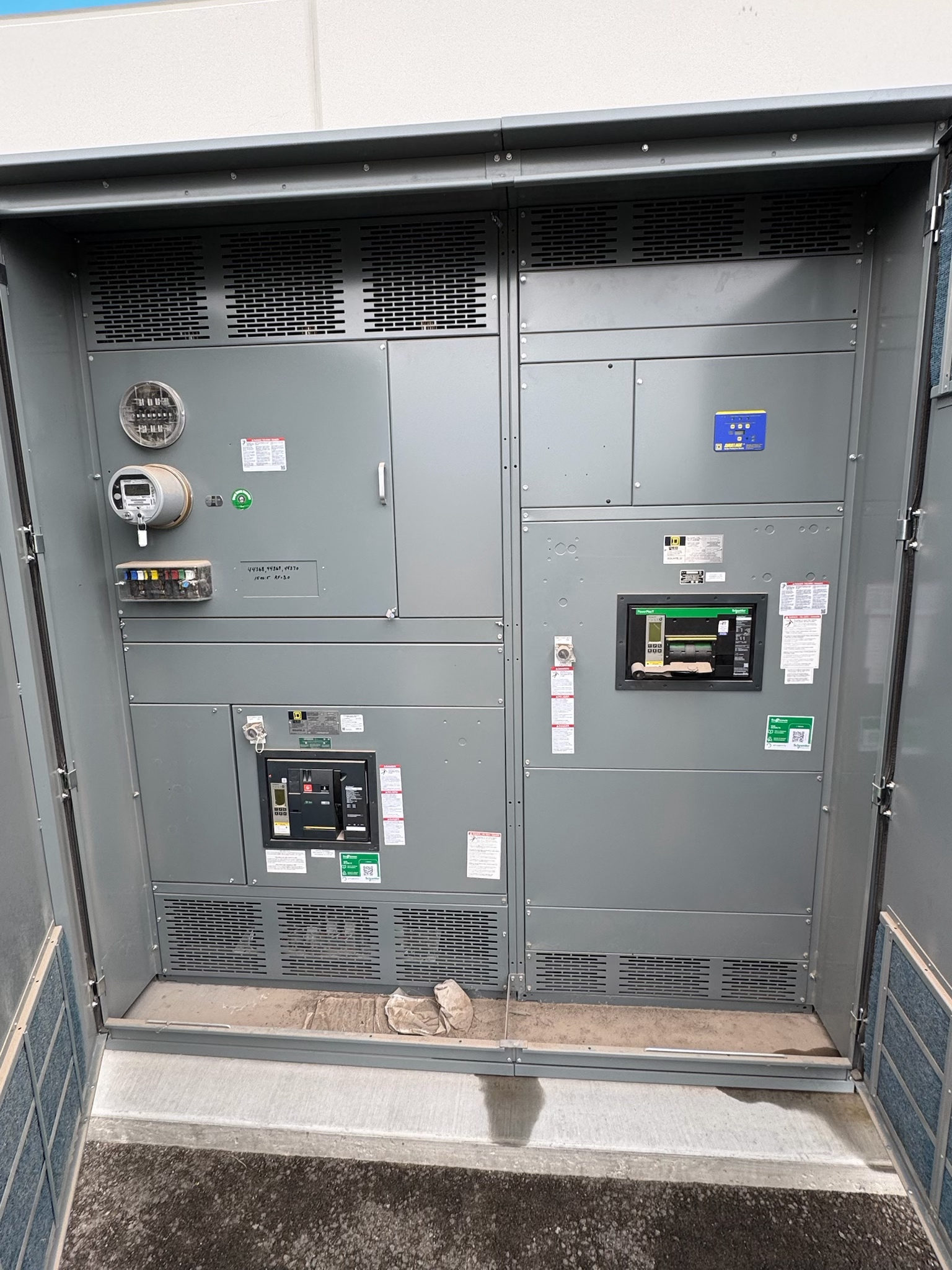
Plan the Test Around the Equipment
Insulation resistance testing can help evaluate the condition of electrical insulation, but a useful result depends on matching the procedure to the switchgear being examined. For new switchgear, the plan should identify the assembly type, circuit configuration, insulation system, connected components, and the purpose of the test. A single generic test instruction may not suit a switchboard, medium-voltage assembly, bus section, or control circuit. Before procurement or inspection planning, the project team should define which portions are to be tested, when testing occurs, and how results will be documented. This makes the test a defined quality activity rather than an assumed pass-or-fail check.
Gather Inputs Before Setting Criteria
Acceptance criteria should come from applicable project requirements, equipment design information, and the standards and procedures confirmed for that specific assembly. Relevant inputs can include manufacturer documentation, insulation materials, nominal system voltage, circuit boundaries, environmental conditions, and whether the test is part of factory inspection or a later site activity. The qualified electrical professionals responsible for the project should resolve conflicting or missing requirements before the test is scheduled. Do not transfer a threshold from another equipment type or project without review. The appropriate test voltage, duration, measurement method, and interpretation are not universal; each needs technical justification and compatibility with the equipment under test.
Define Boundaries and Isolate Interfaces
A test plan needs a clear boundary diagram or equivalent list of included and excluded components. Identify bus sections, breakers, instrument transformers, surge protective devices, control wiring, metering, and other connected equipment that may affect measurements or require separate treatment. Confirm which interfaces are shipped assembled, field connected, or tested by another party. Components may need to be disconnected or handled according to their documentation so that the test does not expose them to an unsuitable condition. Record the intended configuration, grounding arrangements, and isolation points. Qualified personnel must determine safe work controls and verify the equipment is de-energized; testing is not a reason to work on energized equipment.
Choose a Procedure That Fits the Insulation
The test method should account for the insulation system and the equipment’s design limits. The procedure should state the instrument requirements, applied test level, duration, connection points, sequence, and how readings will be recorded, while deferring to applicable manufacturer instructions and project-approved standards. Temperature, humidity, surface contamination, and recent handling can influence measurements, so capture relevant conditions and note any limitations. Where readings are compared over time or between phases, keep the configuration and method consistent. A measured value alone does not establish suitability: interpretation should consider the test purpose, baseline information, equipment documentation, and qualified engineering judgment.
Coordinate Factory and Site Responsibilities
For new switchgear, determine whether insulation resistance testing belongs in the manufacturer’s inspection plan, a purchaser’s quality plan, site acceptance activities, or a defined combination. Clarify witness or hold points, test records required for shipment, responsibility for instruments, and how exceptions are reviewed. Factory and site procedures may differ because transport, assembly, environmental exposure, and connected field equipment change the test boundary. If UL 891 is relevant to a suitable switchboard assembly, confirm its applicability and the project’s requirements; it does not automatically govern every form of switchgear or this particular test. Applicable standards and inspection scope depend on design and project review.
Make Acceptance and Records Actionable
Specify acceptance criteria before testing, including the source of each criterion, permitted test configuration, required readings, and disposition process for results outside expectations. Avoid relying on an unqualified minimum value or treating one reading as proof that all insulation is sound. The record should identify the equipment and circuit tested, instrument and calibration status, test settings, environmental observations, connections or components excluded, readings, date, and responsible reviewer. Define whether a questionable result triggers verification, engineering evaluation, corrective action, or retesting under an approved procedure. This clarity helps the manufacturer, purchaser, inspector, and site team understand what was tested and what the documented conclusion does—and does not—establish.
Resolve the Test Plan Before Ordering
Before finalizing a new switchgear specification, provide the manufacturer with the one-line diagram, equipment and circuit descriptions, applicable project standards, interface schedule, and requested inspection documentation. Ask for a review of test boundaries, documented procedures, acceptance-criteria sources, and any components that require special handling or separate evaluation. Resolve who approves deviations and who receives records before release of the assembly for production. Custom assemblies can be built to specification, but test requirements still need to be technically compatible with the design and confirmed by qualified project professionals. A concise, approved test matrix reduces late-stage ambiguity and gives procurement, manufacturing, and inspection teams a shared basis for acceptance.
Project specification checklist
Use this checklist to organize the details for a project-specific review. Final ratings, applicable standards and equipment selections depend on the approved design.
| Item | What to confirm |
|---|---|
| Equipment and circuit scope | Confirm assembly type, sections, circuits, and included or excluded components. |
| Test method | Review applied test level, duration, connections, sequence, instrument requirements, and manufacturer guidance. |
| Acceptance criteria | Document project-approved sources, interpretation rules, and escalation or retest decisions. |
| Interfaces and responsibility | Assign factory, purchaser, and site test activities; identify witness points and handoffs. |
| Test records | Specify equipment identification, settings, conditions, readings, exclusions, instrument status, and review. |