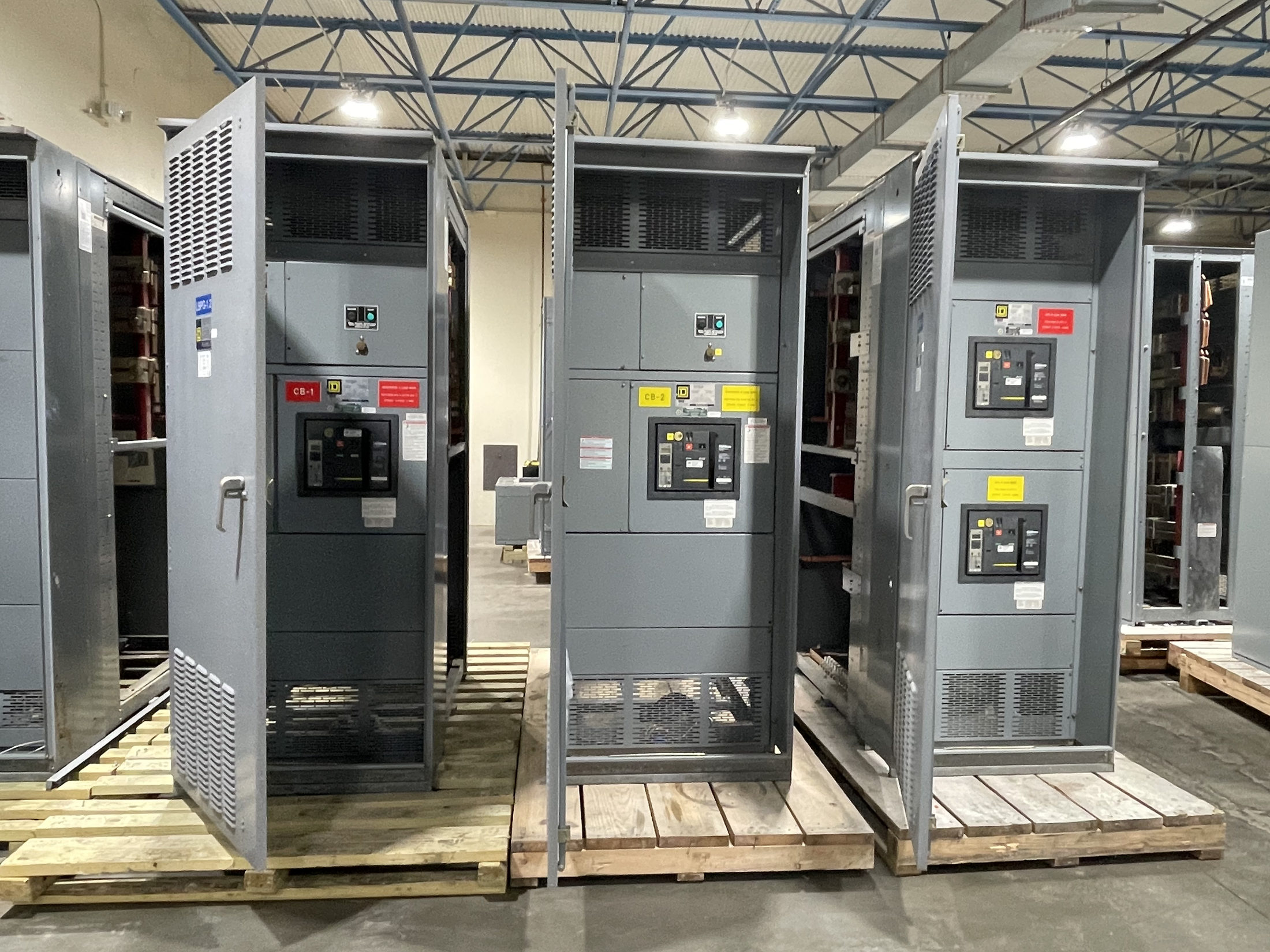
What a UL 891 design review establishes
A UL 891 design review checks whether a proposed new switchboard configuration is appropriate for evaluation under the applicable requirements and matches the project’s documented needs. It is not a blanket confirmation that every assembly, option, or installation qualifies. The review begins by identifying the equipment category and intended use, then comparing the proposed design with the relevant listing conditions, project specifications, and authority requirements. UL 891 applies to suitable switchboards; it does not automatically apply to every kind of switchgear or establish that a particular design is listed. Confirm the applicable standard and evaluation path before treating the designation as a procurement requirement.
For the owner, engineer, and equipment supplier, a useful review surfaces mismatches while design decisions can still be resolved. Examples include an unclear service arrangement, incompatible interface assumptions, or requested features that may affect an evaluated configuration. The result should distinguish verified requirements from open questions and identify who must resolve them. It does not replace the responsible electrical professional’s engineering review, the manufacturer’s design confirmation, or approvals by relevant authorities. These boundaries help keep “UL 891” from being treated as a substitute for project-specific technical acceptance.
Gather the inputs that govern the review
Start with the latest one-line diagram, equipment schedules, written specifications, and any applicable installation or coordination documents. Record the system voltage, phase and wire arrangement, frequency, required continuous-current capacity, available fault-current information, and the project’s specified withstand or interrupting criteria where applicable. Treat each as a project input to verify, not an assumed product capability. The design team should also clarify whether the proposed equipment is service equipment, distribution equipment, or part of a larger lineup, and identify the intended source and load arrangement.
Site and operating information matters as well. Confirm indoor or outdoor location, environmental conditions, access and working-space constraints, cable entry direction, conductor material and termination needs, and any shipping or handling limits that affect assembly dimensions or segmentation. These details can change enclosure choices and the feasible layout. Provide the equipment supplier with the current revision set and flag unresolved information rather than allowing assumptions to become design criteria. Qualified electrical professionals should validate the system data and determine which codes, standards, and local authority requirements apply.
Check listing scope and configuration boundaries
The central UL 891 switchboard consideration is whether the proposed arrangement falls within the scope and configuration of the applicable evaluation. Review the assembly type, construction, protective devices, bus arrangement, barriers, compartments, and proposed options against the relevant listing conditions and manufacturer documentation. A listing should be confirmed for the actual equipment and configuration being offered; the standard name alone does not establish that a particular lineup, component combination, or field modification is covered. Ask the manufacturer to identify any design elements that require confirmation before they are included in the project documents.
Pay particular attention to changes introduced by project-specific requirements. Alternate devices, metering, control components, special compartmentation, or nonstandard connections may require a configuration review. Determine whether those features are included in the evaluated design, require a different design path, or need further review by the responsible parties. Do not infer that a component’s individual marking establishes the listing status of the complete assembly. If the proposed equipment is medium-voltage or high-voltage gear, do not apply UL 891 by default; confirm the equipment classification and standards appropriate to that design.
Resolve ratings and protection requirements
Rating review compares project requirements with the proposed equipment’s documented ratings and the conditions under which those ratings apply. Confirm voltage, current, fault-related ratings, protective-device selection, and any required coordination or selective-operation objectives from the approved project documents. No amperage, short-circuit rating, or other value should be presumed acceptable without design-specific verification. The engineer should check system studies and protection assumptions, while the supplier confirms that the offered assembly and specified components can be configured to meet the stated requirements under applicable conditions.
Clarify how upstream and downstream devices, transformers, generators, or other sources affect the design basis. Source changes can alter available fault current and protection coordination, so the review should identify which study assumptions govern and who is responsible for updates. Document exceptions, dependencies, and unresolved ratings before purchase approval. If project data are incomplete, record the missing information and hold affected selections for confirmation rather than filling gaps with generic product claims. Final suitability depends on the complete design and the applicable standards, not a single rating printed on a schedule.
Coordinate interfaces before drawings are released
A design review should trace each electrical and physical interface between the switchboard and the rest of the project. Compare feeder destinations, cable or busway connections, grounding and bonding provisions, control wiring, metering signals, communications, and any required interlocks with the one-line diagram and interface documents. Confirm which party supplies connected devices and conductors, and establish termination details and access expectations. These checks reduce late changes that can affect the switchboard layout or its evaluated configuration.
Coordinate dimensions and routing with the electrical room plan, adjacent equipment, structural conditions, and the project’s installation sequence. Verify front, rear, and side access needs against the actual arrangement and applicable requirements; do not assume a particular enclosure or access configuration will suit the site. Review lifting, shipping splits, door clearances, and conduit or cable entry locations with the project team. For a Central Texas or other nationwide project, drawings and interface questions can be coordinated remotely, but site conditions and installation decisions remain subject to project documentation and qualified local review.
Plan documentation, testing, and approvals
Before release, establish what documents will demonstrate the design basis and support review: approved drawings, equipment schedules, component information, rating data, and any required deviations or clarifications. The project should identify required factory inspections or tests and distinguish them from field acceptance activities. Testing scope, methods, and acceptance criteria depend on the specification, design, applicable standards, and responsible parties; do not presume a test is included merely because the equipment is described as UL 891. Confirm documentation expectations and witness arrangements during procurement planning.
Review proposed drawings against the same revision of the one-line and specifications, then route open technical items to the engineer, supplier, and authority having jurisdiction as appropriate. Any change after approval—including substitutions or field modifications—should be assessed for its effect on the design and listing conditions before implementation. The manufacturer can build new custom assemblies to specification, but project acceptance and installation remain subject to engineering review and applicable approvals. Keep a written record of decisions, deviations, and responsible reviewers so that the released design, delivered equipment, and approved project requirements remain aligned.
Turn review findings into procurement actions
A practical closeout is a requirements matrix showing each project criterion, its source, the proposed response, and its status: confirmed, exception requested, or awaiting information. Include listing scope, ratings, protective-device assumptions, interfaces, drawing revisions, testing requirements, and approval responsibilities. Resolve exceptions in writing before the purchase order or drawing approval makes them difficult to change. Ask for clarification where the specification uses “UL 891” without defining the required equipment, configuration, or evidence of compliance. This focused record gives procurement and engineering a shared basis for comparing the proposed new switchboard with the project need.
When requesting a proposal, provide the current project documents, required schedule, delivery destination, and known constraints, while separating firm requirements from preferences. Lead times depend on the final design, component selection, and project conditions; confirm timing for the specific assembly rather than relying on a general estimate. A US manufacturer using all-American components can review custom assembly requirements and ship nationwide, subject to confirmed scope and logistics. The next step is a documented technical review of the proposed configuration, followed by resolution of open items and the approvals required for that project.
Project specification checklist
Use this checklist to organize the details for a project-specific review. Final ratings, applicable standards and equipment selections depend on the approved design.
| Item | What to confirm |
|---|---|
| Equipment classification | Confirm whether the proposed assembly is a switchboard within UL 891 scope or another equipment category with different applicable standards. |
| System and fault data | Provide verified system voltage, current requirements, available fault-current information, and project-specific protection criteria. |
| Listing and configuration | Request confirmation that the actual proposed assembly, components, options, and arrangement meet applicable listing conditions. |
| Interfaces and site constraints | Document feeder and control connections, terminations, access, environmental conditions, layout, and shipping constraints. |
| Review and acceptance evidence | Define drawing revisions, required tests and records, deviations, responsible reviewers, and authority approvals. |