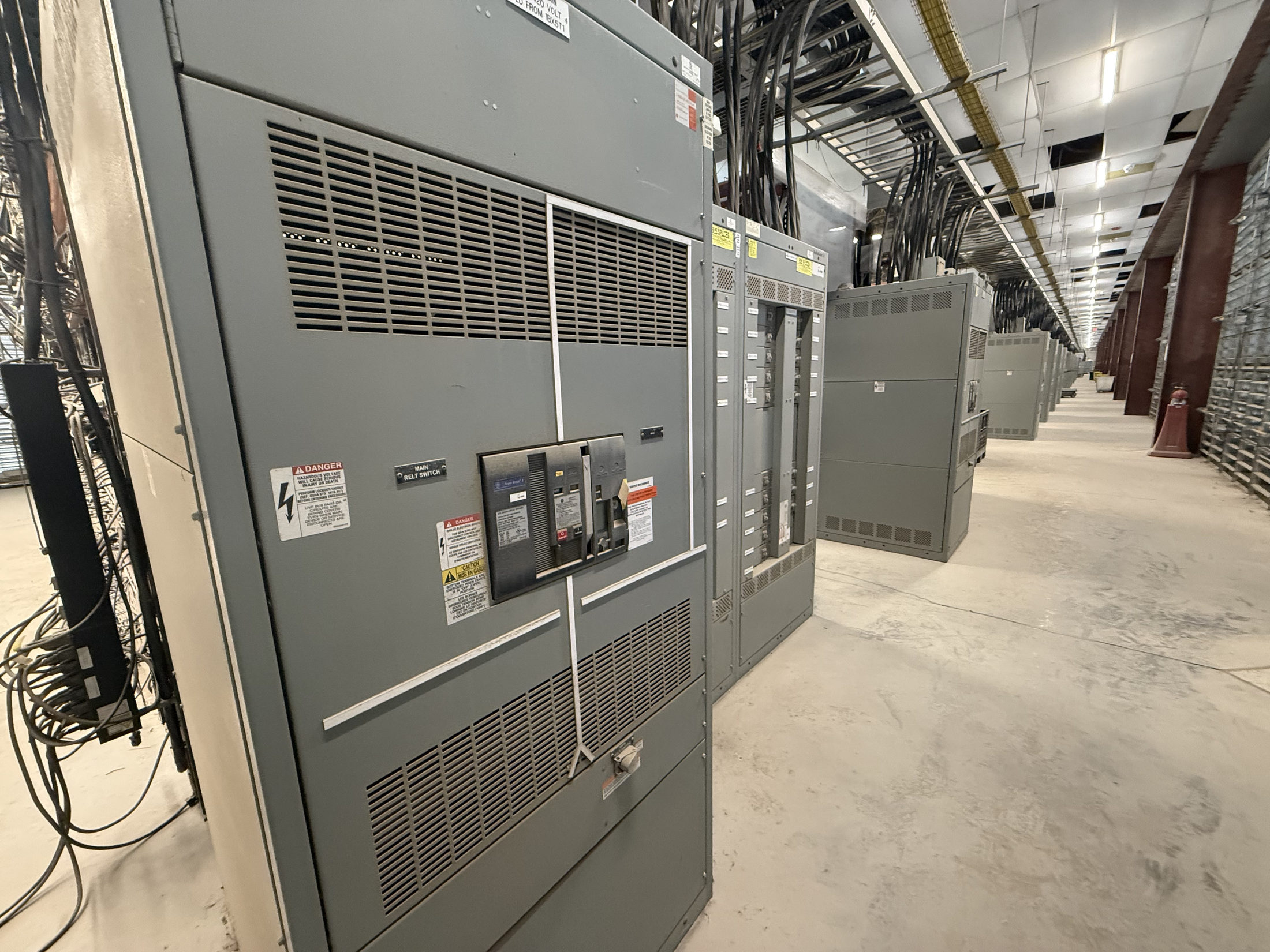
Plan the Switchboard Around the Distribution Need
Electrical switchboards organize and distribute power from an incoming source to multiple downstream circuits. For a new commercial, institutional, industrial, or other electrical project, the right arrangement depends on the one-line diagram, connected loads, system architecture, and how the installation will be operated and maintained. A switchboard is not interchangeable with every form of switchgear; the application and design determine the appropriate equipment and applicable requirements.
For Central Texas projects, early alignment among the owner, electrical engineer, contractor, and equipment supplier can help clarify responsibilities and constraints before the design is fixed. Identify the source and destination of each feeder, the loads served, available installation space, and any planned expansion. These details establish a sound basis for selecting a configuration rather than starting with an assumed standard lineup.
Choose a Configuration That Fits the One-Line Diagram
Configuration choices can include the incoming section, main overcurrent protection, distribution sections, and the number and arrangement of outgoing devices. The one-line diagram should show the intended source, bus relationships, feeder destinations, and any required separation or switching arrangement. Whether a project needs a main device, multiple sources, or a particular bus arrangement must be established by the design—not presumed from a product name.
Review physical constraints alongside electrical function. Confirm available floor area, access for installation and future maintenance, cable entry direction, conduit locations, and room clearances with the project team. Section dimensions and device placement can affect both the lineup layout and field coordination. Custom assemblies can be developed to project specifications, subject to design review and confirmation of applicable construction requirements.
Verify Ratings and Applicable Requirements
Specify the system voltage, continuous current needs, frequency, and required short-circuit performance from project engineering documents. These values are interdependent with the source, protective devices, conductors, and downstream equipment; no rating should be treated as suitable without verification. The electrical engineer and relevant authorities should review the design against the installation conditions and applicable codes and standards.
Environmental and installation details also matter. Confirm whether the equipment will be indoors or outdoors, the conditions at the installation location, and any project requirements for enclosure construction. Do not assume a particular enclosure type, interrupting capability, or certification applies to every switchboard. UL 891 applies to suitable switchboard assemblies; applicability and other standards depend on the design and project.
Define Devices, Metering, and Future Needs
The required feeder count and protective-device types shape the switchboard schedule and section layout. For each circuit, confirm its destination, load characteristics, protection requirements, and any coordination criteria established by the engineer. If metering, indication, control interfaces, or communications are required, specify their purpose and the information they must provide. This helps distinguish necessary functions from options that could complicate the design without serving an identified need.
Consider foreseeable changes in load or distribution, but describe expansion needs concretely. A future feeder, space provision, or alternate arrangement may affect equipment dimensions, bus design, and protection coordination. It should not be assumed that spare physical space alone makes an installation expandable. Ask the design team to document what future provisions mean electrically and confirm their suitability within the complete assembly.
Coordinate Submittals, Assembly, and Testing
Before release, reconcile the equipment schedule, one-line diagram, feeder schedule, and physical arrangement. Resolve mismatches in device descriptions, circuit identification, cable entry, metering, and control requirements through the project’s review process. Custom assemblies are built to specification, so timely, complete design information helps establish what is being furnished and what remains subject to approval. For projects in Central Texas, coordinate submittal reviews and site constraints with the responsible project participants; the manufacturer can ship nationwide.
Ask what documentation and verification activities apply to the proposed assembly, and how review comments or approved changes will be handled. Testing and inspection requirements depend on the equipment design, contract documents, applicable standards, and authority requirements. Confirm these items before procurement rather than assuming a particular test program or listing. All design and installation decisions require review by qualified electrical professionals and relevant authorities.
Prepare a Clear Request for a New Switchboard
A useful procurement package includes the current one-line diagram, equipment schedule, project specifications, installation location and environmental conditions, and a description of required devices and functions. Include target submittal and site dates for planning, while recognizing that lead time is determined by the project and design review. A US manufacturer using all-American components can develop custom assemblies to specification; the proposed scope and applicable requirements still need confirmation for each project.
Before requesting a proposal, identify who will answer engineering questions, approve drawings, and coordinate delivery and receiving at the site. Ask for a review of unresolved ratings, configuration choices, documentation, and any applicable UL 891 scope. Then compare the proposed assembly against the approved documents before release. This practical checklist gives the team a specific basis for moving from an electrical distribution need to a clearly defined new switchboard order.
Project specification checklist
Use this checklist to organize the details for a project-specific review. Final ratings, applicable standards and equipment selections depend on the approved design.
| Item | What to confirm |
|---|---|
| System information | Confirm voltage, frequency, source details, and the project-engineered continuous-current and short-circuit requirements. |
| Configuration | Document the one-line arrangement, incoming section, main-device needs, bus relationships, and outgoing feeder count. |
| Protective devices | Identify each feeder’s destination, load, protection needs, and coordination criteria for engineering review. |
| Installation conditions | Confirm indoor or outdoor location, environmental conditions, enclosure requirements, cable entry, access, and available space. |
| Functions and provisions | Specify metering, indication, controls, communications, and any defined future-circuit provisions. |
| Compliance and schedule | Review applicable standards, any suitable UL 891 scope, submittal milestones, and project-specific lead time. |