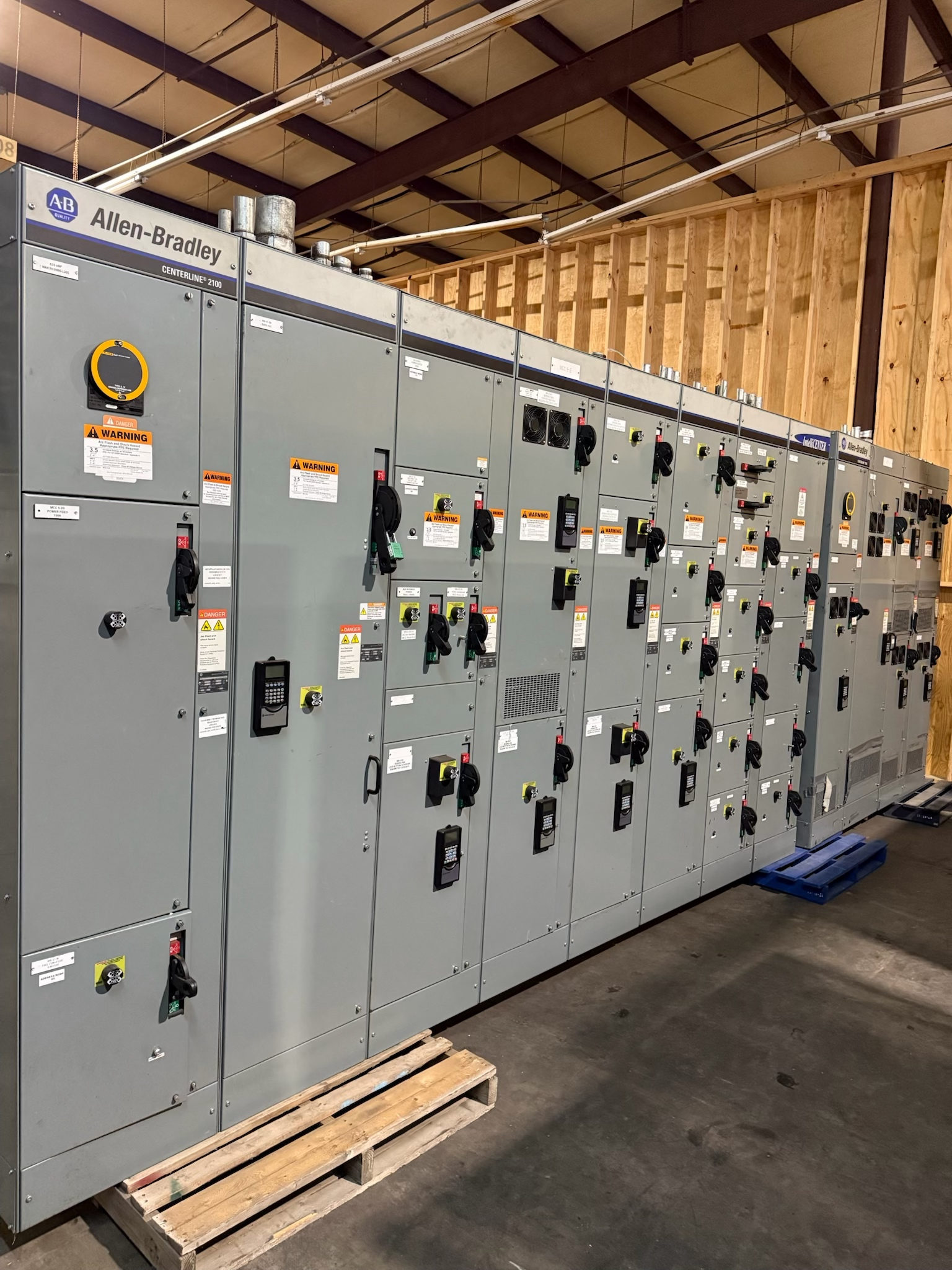
A voltage-class label needs its standard
A voltage-class label on high-voltage switchgear is not a complete equipment specification. The term may refer to a standardized equipment class, a nominal system voltage, or a manufacturer’s description, and those meanings are not interchangeable. Applicable standards define terminology, test levels, and equipment categories; the relevant standard depends on the equipment design and intended application. A label seen on a drawing or product page therefore cannot, by itself, establish that the equipment is suitable for a particular system.
For engineers and project purchasers specifying new switchgear, the first step is to identify the governing standard and the exact equipment type it covers. Confirm whether the project uses a recognized voltage-class designation, a stated maximum system voltage, or both. Ask the manufacturer to identify the basis for each term in its proposal and technical documents. This prevents a familiar label from being treated as proof of ratings, compliance, or suitability that has not been verified.
Start with the system and operating conditions
Selection begins with the electrical system the switchgear will serve. Relevant inputs include nominal and maximum system voltage, frequency, grounding method, expected operating conditions, and the equipment’s position in the network. Fault duty and protective-device coordination also matter, but they are separate checks from voltage-class terminology. Confirm the required insulation and withstand characteristics under the applicable standard rather than inferring them from a class name alone.
Operating environment and use can affect the design basis as well. Provide information about indoor or outdoor placement, ambient conditions, altitude where relevant, contamination or moisture exposure, and switching or maintenance requirements. These are project inputs for design review, not assumptions about what a particular enclosure or product can accommodate. Qualified electrical professionals should validate the system data and applicable requirements before procurement; the authorities and standards relevant to the project must also be identified.
Resolve interfaces before fixing the designation
High-voltage switchgear is part of a larger installation, so its voltage class must align with connected equipment and system interfaces. Review incoming and outgoing cable or bus connections, transformer interfaces, grounding and bonding, protection and control signals, and any metering or communications requirements. Confirm physical clearances and termination details with the parties responsible for adjacent equipment. An interface mismatch can create redesign or schedule issues even when a voltage label appears to match.
The project team should also define boundaries: what equipment is included in the switchgear assembly, what is supplied separately, and which party provides interface data. Record the required terminology in the one-line diagram, equipment schedule, and procurement specification, with the governing standard named where determined. If documents use different labels, resolve the discrepancy before bids are compared. Consistent language helps distinguish a true technical difference from a naming convention and gives reviewers a clear basis for evaluating proposed new equipment.
Separate class terminology from design decisions
A voltage class does not settle every selection question. The design may require decisions about insulation coordination, switching devices, bus arrangement, protection, controls, metering, and enclosure or installation configuration. Each choice depends on the system study, service conditions, applicable standard, and project requirements. Do not assume a class label establishes an acceptable short-circuit rating, interrupting capability, construction type, or environmental suitability; those characteristics must be specified and checked independently.
Custom assemblies can be developed to a project specification, but the specification should state measurable requirements and identify unresolved inputs. Ask for the proposed equipment designation, standard basis, relevant ratings, and exceptions to be shown clearly in the technical submittal. UL 891 applies to suitable switchboard assemblies; it should not be presumed to govern high-voltage switchgear or establish a listing for an assembly. Confirm the applicable standards and any required certification or listing for the actual design instead of carrying over assumptions from another equipment category.
Coordinate review, tests, and documentation
Before release, compare the manufacturer’s proposal against the approved system data and the project’s governing documents. Review equipment class terminology alongside the stated ratings, interfaces, exceptions, and applicable standards. Where the project requires design or test evidence, specify what documents are expected and who will review them. Testing and verification depend on equipment design and applicable requirements; do not infer a particular test program or result from a voltage-class label.
Coordinate review among the electrical engineer, equipment supplier, protection and controls stakeholders, and relevant authorities as appropriate to the project. Resolve comments in a controlled submittal record, especially changes to system voltage, fault duty, connections, or installation conditions. This creates a traceable basis for procurement and later inspection. Work on the design and acceptance criteria should be handled by qualified professionals; no document review replaces project-specific engineering judgment or required authority review.
Turn terminology into a procurement checklist
For a useful request for quotation, provide the one-line diagram, system voltage information, frequency, grounding method, fault-study data, protection requirements, installation environment, interface drawings, and project schedule. State the applicable standard if already established, or ask the engineering team to determine it before equipment is finalized. Request that the supplier identify the meaning and standard basis of every proposed voltage-class label and list ratings and deviations separately. This makes technical and commercial comparisons more consistent.
A US manufacturer building new switchgear with all-American components can prepare custom assemblies to specification and ship nationwide; lead time depends on project requirements and review. For Austin and Central Texas projects, share the site location and desired delivery sequence early so logistics and coordination can be considered without presuming local service or a fixed delivery date. The practical next step is a specification review by qualified electrical professionals, followed by written confirmation of the designation, interfaces, standards, and open decisions before order release.
Project specification checklist
Use this checklist to organize the details for a project-specific review. Final ratings, applicable standards and equipment selections depend on the approved design.
| Item | What to confirm |
|---|---|
| Governing standard | Identify the applicable standard for the specific equipment design and application; verify its terminology and requirements. |
| System voltage data | Confirm nominal and maximum system voltage, frequency, grounding method, and intended network position. |
| Electrical duty | Provide validated fault-study and protection information; assess required capabilities independently of the class label. |
| Interfaces and environment | Document cable or bus connections, adjacent equipment, controls, installation conditions, and applicable clearances. |
| Submittals and verification | Define required ratings, test or design evidence, exceptions, review responsibilities, and authority checks. |
| Procurement coordination | Share site location, delivery sequence, and schedule needs; confirm project-dependent lead time and logistics. |