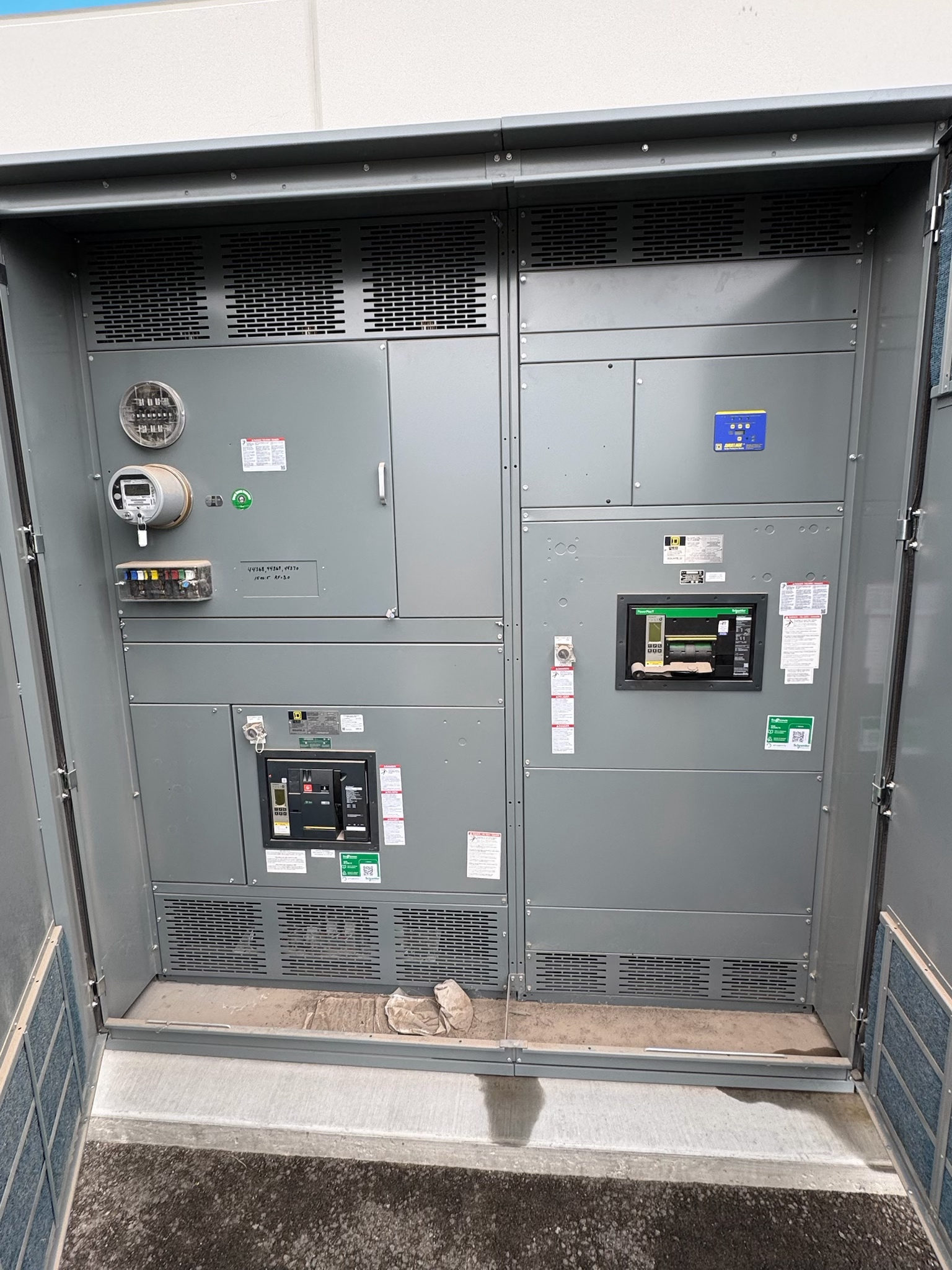
Metal-Enclosed Versus Metal-Clad: Start With Construction
Metal-enclosed versus metal-clad is a construction distinction, not a simple choice between a basic and a premium product. Metal-enclosed switchgear places switching and protective components within grounded metal enclosures, but compartmentation, barriers, access, and component arrangement vary by design. Metal-clad switchgear is a more specifically defined construction category, generally associated with individually compartmented major components and features intended to limit exposure during operation or maintenance. The names alone do not establish voltage, interrupting capability, arc performance, or suitability for a particular installation. For a new equipment project, compare the proposed construction and documented design against the application, operating practices, and project specifications—not just the product label.
Match the Category to the Electrical Application
Begin by defining the system function and the equipment boundary: incoming service, feeder distribution, switching, protection, or a combination. Identify nominal system voltage and frequency, grounding method, continuous and load conditions, available fault current, required protective devices, and the operating sequence. These inputs help determine which construction category and equipment family are appropriate. Metal-enclosed equipment can refer to designs used in different voltage classes and applications, so it should not be treated as a synonym for metal-clad switchgear. Similarly, a metal-clad description does not establish ratings or confirm that a specific design meets the project’s requirements. Qualified electrical professionals should verify system conditions and selection against the applicable project documents.
Determine Which Standards Apply
Applicable standards depend on the equipment design, voltage class, intended use, and project requirements. Metal-clad switchgear is commonly associated with standards such as IEEE C37.20.2, while metal-enclosed switchgear may be addressed by other standards, including IEEE C37.20.3 for particular equipment types. These references are not interchangeable labels, and naming one does not confirm that it applies to every assembly or project. UL 891 concerns switchboards and may apply to suitable switchboard assemblies; it is not a blanket standard for metal-clad or medium-voltage switchgear. Ask the manufacturer to identify the standards and any applicable listing for the offered design, then have the project team confirm those requirements with the relevant authorities.
Review Compartments, Interfaces, and Operating Needs
Compare internal arrangement, barriers, access points, withdrawable or fixed components where applicable, and the means of isolation and grounding. Confirm how protective relays, instrument transformers, control power, metering, and communications fit the one-line diagram and operating philosophy. External interfaces also matter: cable entry and termination space, bus connections, grounding conductors, control wiring, conduit routes, and connection to adjacent equipment. Physical dimensions, working clearances, environmental conditions, and the intended indoor or outdoor installation must be coordinated with the facility design. Do not assume an enclosure type, access arrangement, or maintenance feature from the category name. Record each requirement in the specification and resolve conflicts before the design is released for manufacture.
Coordinate Ratings, Testing, and Documentation
The selected assembly must be evaluated for its actual system conditions, including voltage, continuous current, short-circuit duty, insulation requirements, and protective-device coordination. No rating should be presumed acceptable without verification of the complete design and its components. Establish what design evidence, routine tests, inspection records, drawings, and operating documentation are required by the specification. Testing expectations may differ with the equipment type and governing standard; confirm the scope with the manufacturer and project engineer rather than assuming a particular test or certification. Review relay settings, control schematics, interlocks, and interface points as part of the design process. Final acceptance requirements should be coordinated with the owner, engineer, and relevant authorities before procurement.
Prepare a Clear New-Equipment Specification
For a useful quotation and design review, provide the latest one-line diagram, equipment schedule, applicable standards, site conditions, fault-current information, and preferred construction category if already established. Include required devices and functions, cable and bus interfaces, control and communications needs, enclosure conditions, footprint constraints, and submittal or testing requirements. Ask the manufacturer to identify deviations, assumptions, and unresolved inputs so the team can compare proposals on equivalent terms. A US manufacturer using all-American components can build custom assemblies to specification and ship nationwide; lead time depends on the project and should be confirmed against the approved scope. Before release, have qualified electrical professionals verify ratings, interfaces, standards, and coordination with the installation design.
Project specification checklist
Use this checklist to organize the details for a project-specific review. Final ratings, applicable standards and equipment selections depend on the approved design.
| Item | What to confirm |
|---|---|
| Construction category | Confirm the required equipment type, compartmentation, barriers, access, and component arrangement against the application. |
| System and duty inputs | Provide verified voltage, frequency, grounding, load conditions, available fault current, and protective-device requirements. |
| Applicable standards | Identify project-required standards and confirm their applicability to the proposed equipment and assembly. |
| Physical and electrical interfaces | Coordinate dimensions, installation environment, cable entry, terminations, bus, grounding, controls, and adjacent equipment. |
| Submittals and testing | Define required drawings, design evidence, routine tests, inspection records, and acceptance documentation. |