Start the Quote With the Application
A useful switchgear quote begins with a clear picture of what the equipment must serve. Identify the facility or system, the intended function, and whether the request covers a new installation, replacement, or planned expansion. Describe the loads and operating conditions that shape the design, including expected demand, critical loads, and any known future additions. Avoid relying on a single nameplate value when the distribution arrangement or operating profile changes how equipment is selected.
For a request for new switchgear, also name the project stage and the decision deadline. A preliminary budget request may use a different level of detail than a bid based on issued-for-construction documents. State what is known, what remains under engineering review, and who can resolve open questions. This helps distinguish confirmed requirements from assumptions that should not become quote commitments.
Document Voltage, Current, and Load
Provide the system voltage and configuration from project documents, including phase, frequency, grounding arrangement, and any relevant source or bus details. Confirm which loads connect to the assembly and share load schedules, feeder quantities, and load characteristics when available. Motor starting, nonlinear loads, standby sources, and planned growth can affect equipment and component selection; note them rather than assuming a simple load total tells the whole story.
List the required continuous current for the equipment and each relevant feeder, but identify the source of those values and whether they are preliminary or approved. Current ratings must be selected for the specific design and application, not inferred from a generic product description. If the design includes alternate sources, ties, or unusual operating modes, provide the intended operating sequence so the quote can account for the interfaces and the actual duty.
Provide Fault-Duty and Protection Information
Fault-duty information is essential to selecting suitable equipment. Share the available short-circuit current, its point of reference, and the source or study used to establish it. Include relevant upstream protective-device information and any known changes to transformers, generators, utility sources, or system configuration. Fault duty is project-specific; a rating should not be assumed acceptable until qualified professionals verify it against the system conditions and applicable requirements.
Where available, include the coordination or protection study, one-line diagram, and device schedules. Identify required trip functions, protective relays, metering, and coordination objectives without treating those notes as a substitute for engineering review. If a study is pending, say so and provide the expected completion date. The quote can then identify which design details depend on final study results and avoid presenting unresolved assumptions as confirmed selections.
Send Drawings and Define Interfaces
Attach the latest one-line diagram, equipment schedule, specifications, and relevant layout or elevation drawings. Mark revision dates and identify which documents govern if they differ. Useful details include incoming and outgoing cable or bus arrangements, connection locations, access and working-space constraints, and the relationship to adjacent equipment. Drawings help clarify the assembly boundaries and reduce uncertainty about what is included in the requested scope.
List interfaces that may affect design: source equipment, downstream distribution, control wiring, communications, metering, and building or process systems. State who supplies connected equipment and which party is responsible for interface drawings, settings, and final approvals. Enclosure and environmental requirements should be specified from the actual installation conditions and verified for the project. Applicable standards and any UL 891 suitability depend on the assembly and design; do not assume a listing applies to every switchgear product.
Clarify Design Choices, Review, and Testing
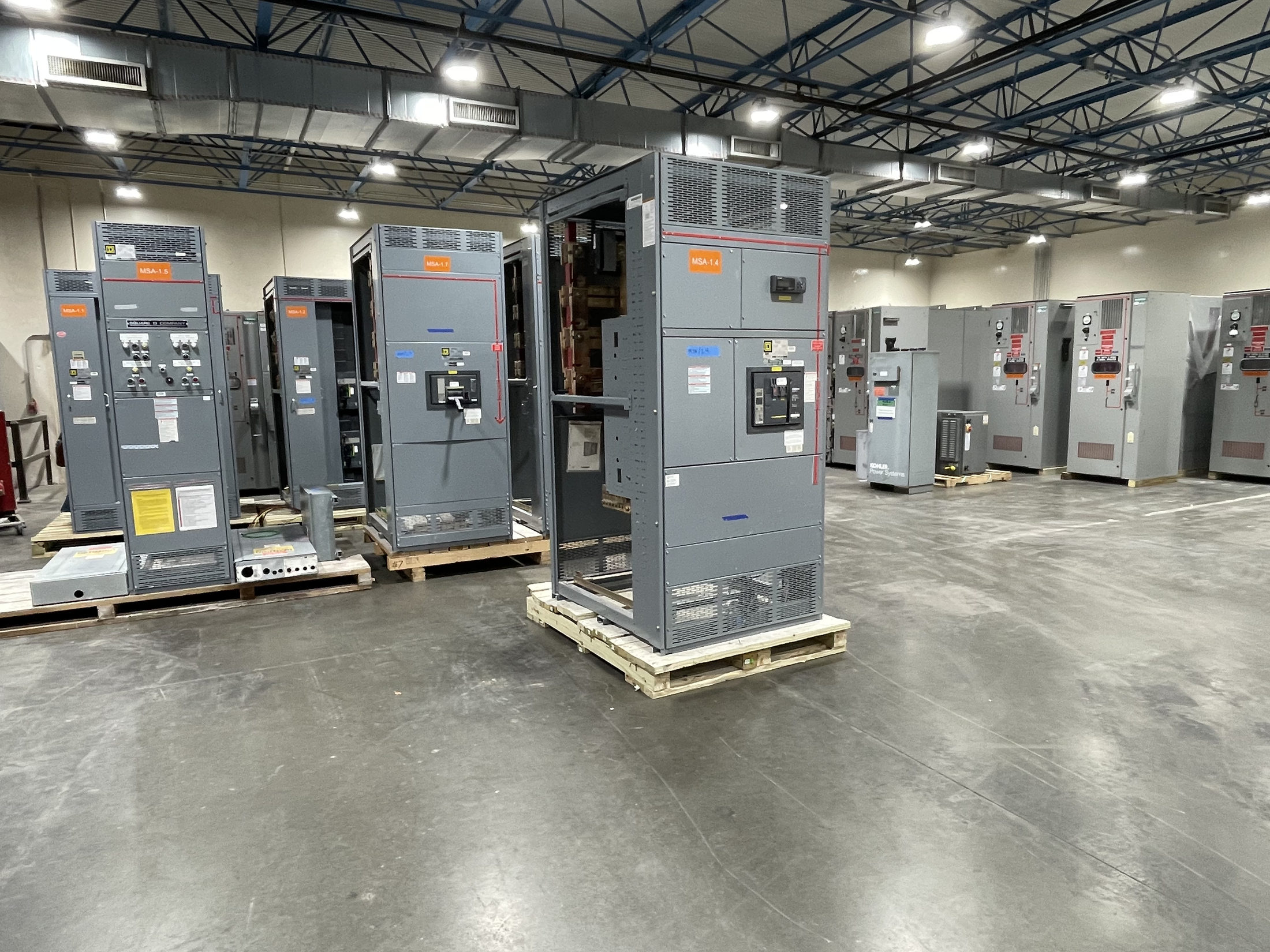
A quote request should identify choices that are already fixed and those open to engineering review. Examples include the preferred arrangement, access approach, metering needs, control features, and whether spare provisions or future feeders are required. Explain any constraints on footprint, entry direction, or connections. The manufacturer builds new equipment in the USA using all-American components and can develop custom assemblies to specification; the requested design still requires confirmation against the project documents and technical requirements.
Agree on the documents expected for review, such as submittal drawings, and identify the reviewers and approval sequence. Ask what inspection or testing documentation is proposed for the specific assembly, and distinguish factory activities from site work rather than assuming installation or commissioning is included. Testing and standards depend on equipment design and project requirements. Qualified electrical professionals and relevant authorities must review the final selections, protection, and installation requirements.
Set a Realistic Quote and Procurement Schedule
Share the date when pricing is needed, the target approval date, and the required equipment-on-site or shipment window. Include key dependencies such as completion of the fault study, drawing approval, funding release, and coordination with other equipment packages. Lead times are determined by the project and its finalized scope; a short requested schedule is not a confirmed delivery commitment. Nationwide shipment is available, so provide the destination and any known receiving or delivery constraints for planning.
Before submitting the checklist, identify the project contact, the documents still outstanding, and the questions that need a written answer. Request a quote using the best available information, label preliminary values clearly, and ask that assumptions and exclusions be called out. Once a proposal is received, compare its scope, ratings, interfaces, documentation, and schedule against the approved requirements. Resolve discrepancies with the project’s qualified electrical professionals before ordering new switchgear.
Project specification checklist
Use this checklist to organize the details for a project-specific review. Final ratings, applicable standards and equipment selections depend on the approved design.
| Item | What to confirm |
|---|---|
| Application and load | Confirm equipment function, load schedule, operating profile, critical loads, and planned expansion. |
| System voltage and current | Provide project-verified voltage, phase, frequency, grounding, source details, and required current values. |
| Fault duty and protection | Identify available fault current, its reference point, study source, upstream devices, and protection requirements. |
| Drawings and interfaces | Send current one-lines, schedules, specifications, layouts, revisions, connection details, and interface responsibilities. |
| Design review and testing | Define open design choices, submittal reviewers, applicable project requirements, and expected assembly testing documentation. |
| Procurement timing | State quote and approval deadlines, target shipment window, outstanding dependencies, destination, and receiving constraints. |