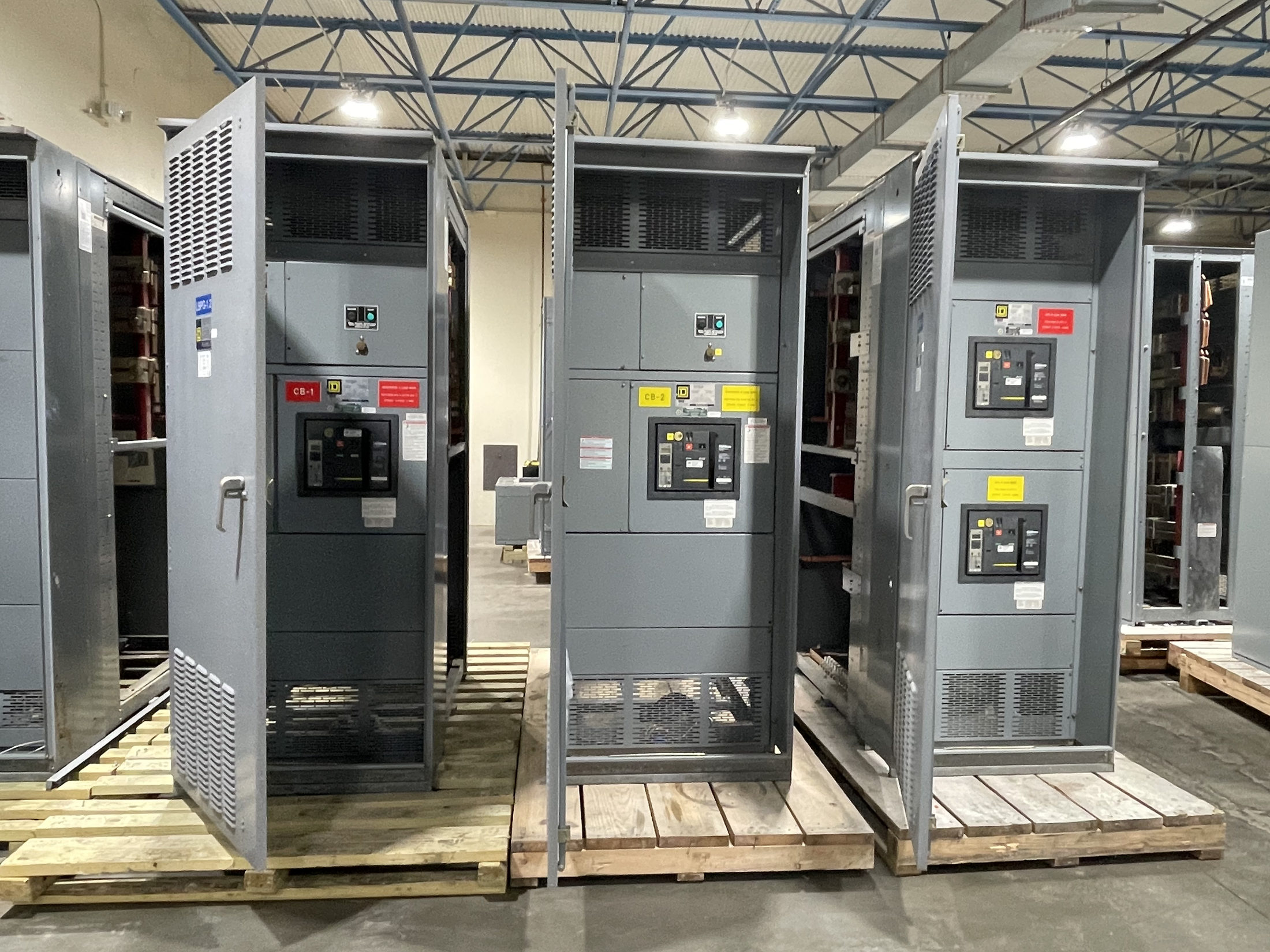
Define What Remote Operation Must Do
Remote operation safety starts with a specific operating scenario, not simply a request for a control point. Identify which switching actions operators may initiate from a control room or other approved location, which actions remain local, and what conditions must be satisfied before a command is accepted. For new switchgear, those boundaries affect control logic, indication, interlocks, communications, and the operating documents delivered with the equipment.
Describe the equipment functions and operating states in scope, including normal, maintenance, and abnormal conditions. Identify who is authorized to issue commands and who can observe status. Qualified electrical professionals should review the operating concept against the system design, applicable requirements, and site procedures. Remote capability does not by itself make an operation safe or remove the need for hazard assessment.
Specify Permissives and Interlocks
A permissive is a defined condition that allows a command to proceed; an interlock prevents an incompatible or unsafe sequence. List each intended remote command and the conditions that must be true before it is enabled. Depending on the design, project inputs may include device position, control-power status, equipment readiness, selector-switch position, or other verified signals. These are examples for review, not universal requirements or guaranteed features.
Document how the design should respond when a required signal is missing, contradictory, stale, or lost. Decide whether a command is blocked, an alarm is raised, or another project-defined response applies. Confirm reset and recovery steps, local-versus-remote authority, and any key or selector arrangements. Review the complete sequence with the electrical designer and controls stakeholders so permissives support the intended procedure without creating an assumed substitute for protective functions.
Control Access and Command Authority
Remote operation safety depends on who can access controls, how authority is assigned, and how competing commands are handled. Project documents should identify operator roles, approved control locations, access restrictions, and any required authorization or change-management process. Specify whether local controls take priority, how transfer between local and remote modes occurs, and what indication tells an operator which mode is active.
Define the communications and control-system boundaries before equipment design is finalized. Identify the party responsible for each interface, signal, protocol, and configuration, and confirm how command, status, alarm, and acknowledgment points will be represented. Do not assume a particular network, cybersecurity feature, control platform, or remote-access capability. The owner’s controls and security requirements, equipment design, and applicable project standards must be reviewed together; acceptance criteria should be agreed before procurement.
Make Metering and Indication Actionable
Operators need reliable, understandable information before and after a remote command. Establish which metering values, device states, alarms, and command results are needed for the approved operating scenarios. For each point, define its source, display destination, units or state labels, alarm meaning, and whether it is intended for monitoring, permissive logic, or both. Confirm that the chosen instrument and control interfaces are compatible with the equipment design and project requirements.
Clarify expected behavior when data is unavailable or inconsistent, including how operators recognize loss of communications or an invalid indication. Identify the owner’s control-system point list, naming conventions, time-stamping expectations, and any required data exchange documents. Metering and status should not be treated as proof that a work area is safe or that equipment is de-energized. Procedures must explain the limits of indications and require verification appropriate to the task.
Coordinate Documents, Testing, and Procedures
Request a coordinated control narrative, sequence of operation, permissive and interlock matrix, interface point list, and relevant wiring or connection documents for review. The final document set should identify assumptions, unresolved interfaces, operating modes, alarms, and failure responses. Review these materials with the owner, electrical designer, controls integrator, and other responsible parties before release for manufacture; changes to command logic or signal definitions can affect both equipment and site controls.
Agree on project-specific inspection and functional test criteria for commands, mode selection, interlocks, indications, alarms, and loss-of-signal responses. Identify which tests can be completed on the equipment and which require coordination with external controls or site systems. Assign responsibility for test procedures, witness points, configuration records, and disposition of discrepancies. No test should expose personnel to energized hazards; qualified professionals must establish safe work controls and applicable requirements.
Prepare a Complete Procurement Input Package
Before requesting a quotation for new switchgear, provide the one-line diagram, equipment and control specifications, operating scenarios, approved command list, permissive matrix, metering requirements, interface details, and document submittal expectations. Include project-specific electrical ratings and environmental conditions for engineering review rather than assuming a standard configuration. Identify required standards or listings only where applicable to the equipment design, and have qualified professionals confirm their relevance.
Also name the control-system and communications stakeholders, clarify who supplies and configures external interfaces, and state how design questions and revisions will be resolved. Ask for confirmation of scope, assumptions, test responsibilities, and project-dependent lead-time expectations before placing an order. A practical next step is a joint review of the sequence and point list, followed by documented approval of outstanding decisions. This gives the manufacturer a defined basis for custom assembly and helps the project team coordinate equipment documents with site procedures.
Project specification checklist
Use this checklist to organize the details for a project-specific review. Final ratings, applicable standards and equipment selections depend on the approved design.
| Item | What to confirm |
|---|---|
| Remote command scope | Confirm each permitted command, operating location, operating mode, and function reserved for local control. |
| Permissive and interlock matrix | Define enabling conditions, blocking conditions, signal failures, recovery behavior, and responsible reviewers. |
| Access and authority | Specify authorized roles, mode transfer, command priority, access restrictions, and approval processes. |
| Metering and indication | Identify required points, sources, destinations, labels, alarm meanings, and response to unavailable data. |
| Interfaces and documents | Assign control-system boundaries and confirm point lists, protocols, drawings, narratives, and revision responsibilities. |
| Testing and procedures | Agree on functional test scope, safe work controls, witness responsibilities, records, and discrepancy handling. |