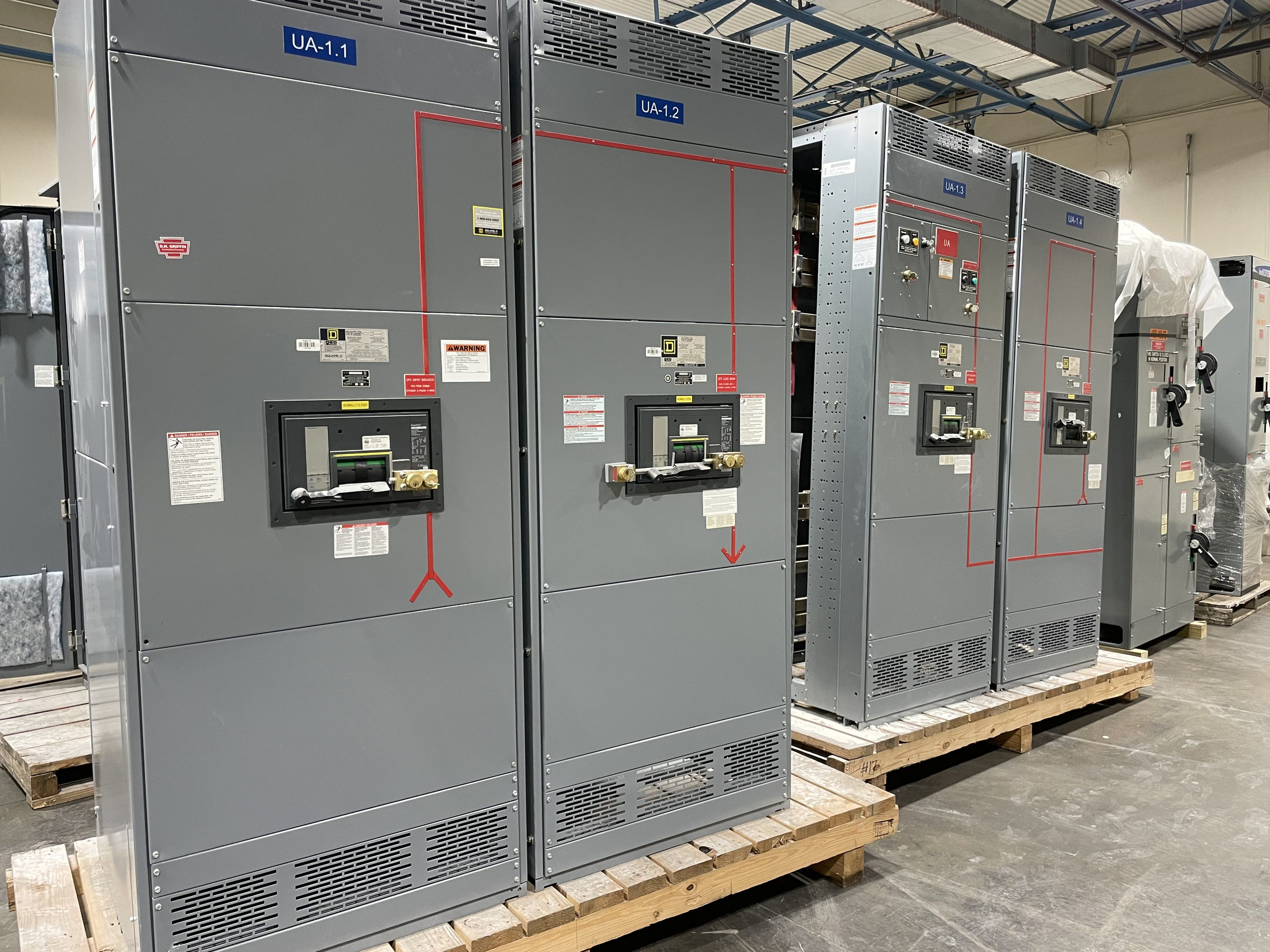
Assign responsibility before specifying settings
Protection settings responsibility should be agreed early when planning new switchgear. A clear assignment prevents gaps between the equipment supplier, the engineer responsible for the electrical design, the owner, and any parties responsible for upstream or downstream devices. The supplier can use approved project information to configure or document equipment as agreed, but should not be presumed to perform the system protection study, approve settings on the owner’s behalf, or verify the complete installation unless those tasks are explicitly included.
Name the party accountable for the study, the person authorized to approve its recommendations, and the qualified party responsible for field verification. Record who resolves discrepancies and who releases final settings for implementation. These roles may sit with different organizations. Documenting them in the procurement and engineering scope helps align deliverables with the project schedule and avoids treating a settings file or equipment submittal as proof of system-wide coordination.
Define the study boundary and required inputs
A useful protection and coordination study depends on a defined electrical system boundary, not just the switchgear order. Identify the normal and alternate sources, transformer data, grounding arrangement, connected loads, operating configurations, and relevant upstream and downstream protective devices. Provide available fault-current information and the source or study basis, along with existing settings and device data where interfaces with installed equipment remain in service.
The study lead should identify missing or uncertain inputs and state how assumptions will be handled and confirmed. Include one-line diagrams, equipment schedules, cable or bus information, and project-specific operating modes as applicable. Changes to utility sources, transformers, system topology, or connected equipment can affect results. Establish a process for updating the study when design inputs change, rather than allowing preliminary assumptions to silently become final settings.
Select equipment around the approved design
Equipment selection should support the documented system design and the protective devices intended for the application. The responsible electrical professional should define required functions, device types, sensing and control interfaces, trip or alarm needs, and how the equipment fits the operating scheme. Confirm applicable system voltage, continuous current, fault-duty requirements, enclosure and environmental conditions, and any project standards against the actual installation. These values are project-specific and must be reviewed; no rating or construction detail should be assumed suitable from a general product description.
For new switchgear, provide the manufacturer with the approved equipment specification, relevant one-line diagram, interface requirements, and the agreed settings deliverables. Confirm whether the scope includes device configuration, settings documentation, or testing support, and distinguish those tasks from the independent study and approval. Applicable standards and any listing requirements depend on equipment design and project conditions. UL 891 applies to suitable switchboard assemblies, not automatically to every form of switchgear or every assembly.
Separate study, approval, and implementation
The study lead develops proposed settings and coordination recommendations using the confirmed system model and device information. The designated engineer or owner’s authorized representative should review and approve those recommendations before implementation. Approval should cover the intended operating cases, coordination objectives, assumptions, and any documented exceptions. If a device selection or available setting range cannot implement the recommendation, raise the issue for design resolution; do not substitute an unreviewed value merely to complete a submittal.
The implementation party should receive a controlled, approved settings package identifying the applicable equipment, device, revision, and operating configuration. Define how changes are requested, assessed, and approved, including revisions made during procurement or construction. Keep the approved study, settings files, equipment documentation, and revision history consistent. The party entering settings must work within its authorized scope and follow applicable safety procedures; this page does not authorize work on energized equipment.
Plan verification and coordination interfaces
Verification should compare the installed device and its configuration with the approved settings package, then document the result and any discrepancy. Assign who checks device identification, settings entry, relevant control or trip interfaces, and required test records. The qualified project team should define suitable test methods and acceptance criteria for the actual equipment and scope. A manufacturer’s equipment-level documentation or test does not, by itself, establish correct system-wide coordination or confirm every field interface.
Coordinate review across the study engineer, equipment supplier, installation and commissioning parties, owner, and any utility or other system interface as applicable. Confirm who supplies interface data, who witnesses or accepts tests, and who resolves mismatches between drawings, device configuration, and field conditions. If a test or inspection identifies a deviation, document it, assess its protection impact, and obtain approval for corrective settings or design changes before closing the issue.
Make responsibility a procurement deliverable
Before ordering, include a responsibility matrix or scope note that names the study author, settings approver, implementation party, and verifier, along with each party’s inputs and deliverables. Ask for the required study format, settings schedule, device data, review milestones, and revision process. Confirm which project documents must be available before design release and what changes trigger re-evaluation. For a Central Texas project or a project elsewhere, coordinate document exchange, review windows, and equipment interfaces with the parties responsible for the site and system; location does not change the need for qualified technical review.
A practical next step is to submit the current one-line diagram, equipment specification, source and transformer data, operating scenarios, and known device information for project review. Identify unresolved inputs instead of treating them as established facts. Agree on approval and verification records before procurement so that new equipment documentation can be aligned with the final study. All selections, settings, and acceptance decisions require review by qualified electrical professionals and relevant authorities for the project.
Project specification checklist
Use this checklist to organize the details for a project-specific review. Final ratings, applicable standards and equipment selections depend on the approved design.
| Item | What to confirm |
|---|---|
| Study owner | Name the qualified party responsible for the protection and coordination study, its boundary, and its deliverables. |
| Approval authority | Identify who reviews and authorizes proposed settings and how exceptions or revisions are approved. |
| System inputs | Confirm source, transformer, grounding, operating-mode, load, fault-duty, and device information, including assumptions and gaps. |
| Equipment interfaces | Document required protective functions, device data, control or trip interfaces, and applicable project requirements for review. |
| Verification record | Assign responsibility for checking implemented settings and interfaces, recording results, and resolving deviations. |