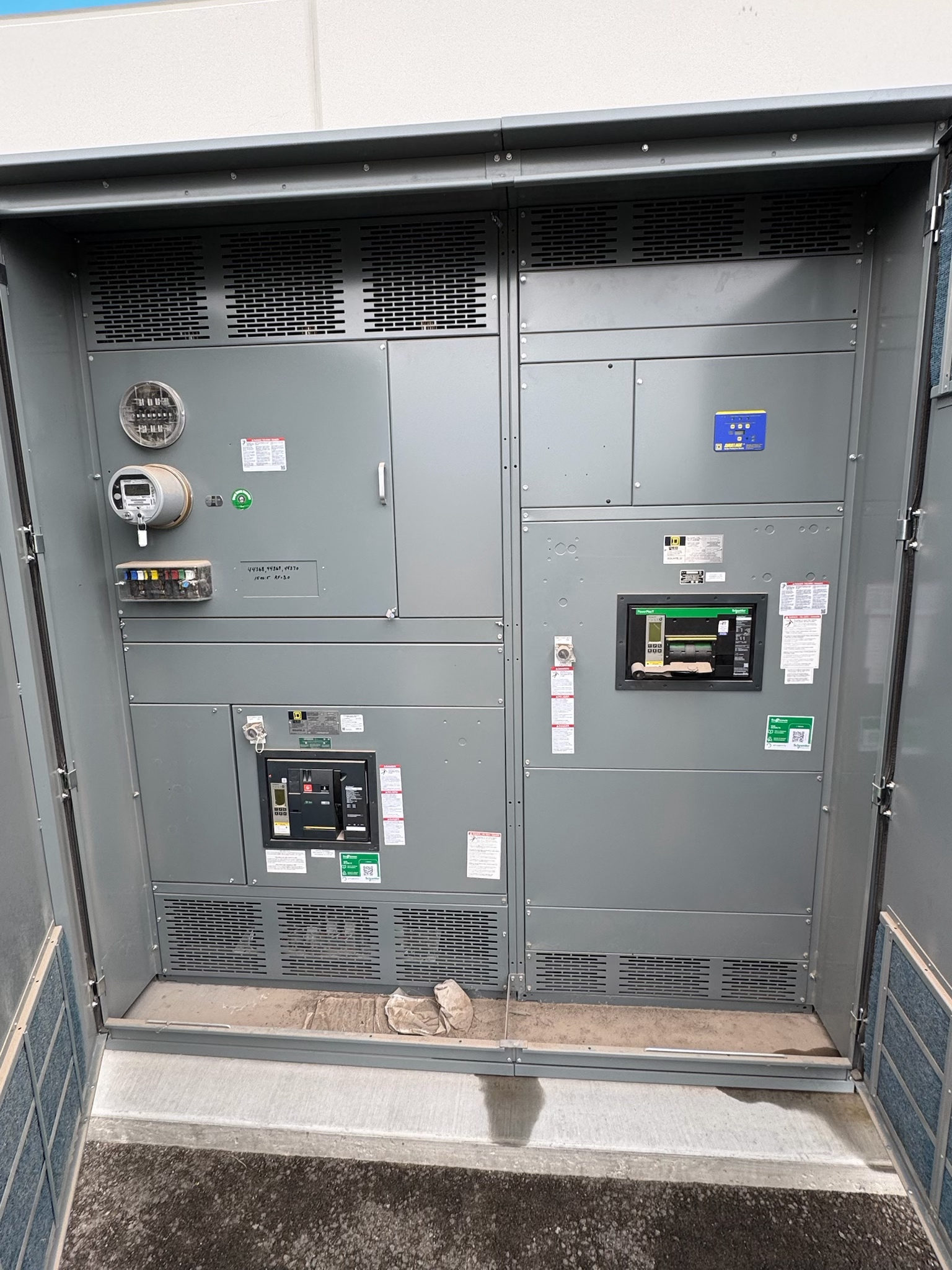
Why design ambient matters
Ambient temperature assumptions affect how new switchgear is evaluated for thermal performance and load. Equipment ratings are established under defined conditions; a site that operates outside those assumptions may require engineering review rather than a simple comparison of nameplate values. The relevant temperature is not necessarily the outdoor weather reading. It may be the air surrounding the equipment in its installed location, influenced by a building, enclosure, ventilation, nearby heat sources, and operating patterns.
Establishing the design ambient early helps the owner, electrical engineer, equipment manufacturer, and other project participants work from consistent inputs. It also helps avoid treating a published rating as automatically suitable for every room or operating scenario. Final selection depends on the equipment design, applicable requirements, and verified project conditions. Qualified electrical professionals should review the complete specification and determine whether any ambient-related adjustments or additional design measures are required.
Define the actual equipment environment
Document where the assembly will be installed and the temperature conditions expected at that location. For indoor equipment, relevant inputs can include room temperature ranges, HVAC operating schedules, ventilation strategy, heat from adjacent equipment, and conditions during maintenance or building-system outages. For outdoor or enclosed installations, identify the proposed location and enclosure arrangement, exposure to sun, airflow, and any environmental controls. Do not substitute regional climate data for conditions at the equipment without considering the installation and operating environment.
Specify the expected normal range as well as credible high-temperature periods and unusual operating conditions. If the equipment room shares space with transformers, drives, generators, or other heat-producing loads, include those interfaces in the review. Identify whether temperature monitoring or alarms are part of the broader facility design, without assuming such features are included in the switchgear assembly. These details help the design team determine which ambient assumptions are appropriate and what must be confirmed before equipment selection.
Connect temperature to load and ratings
Thermal and load design should be reviewed together. Record the expected continuous load, demand profile, diversity assumptions, anticipated growth, and any duty cycles that could affect heat generation. Also identify how conductors, bus, protective devices, and connected equipment are specified, since the complete electrical path—not just the assembly—must suit the intended application. Temperature can influence equipment evaluation, but it does not establish an acceptable load by itself.
Ask the manufacturer and engineer to identify the conditions underlying the proposed equipment ratings and whether the project ambient differs from them. Any derating, configuration change, or other adjustment must be determined for the particular design and documented in the approved submittal. Do not infer a universal current capacity or short-circuit capability from an ambient statement. Applicable standards and evaluation criteria depend on equipment type and design; UL 891 applies to suitable switchboard assemblies, not automatically to every form of switchgear.
Choose design responses by project
When the site environment differs from rating assumptions, the project team can assess appropriate responses based on the equipment and installation. Options may involve revising the location, improving room ventilation or cooling, changing the assembly configuration, or accounting for the condition in equipment selection. Each option has interfaces: room changes may affect building systems, while an equipment change may affect footprint, cable entry, bus connections, protection coordination, and procurement documents. No response should be presumed available or adequate before engineering review.
For custom assemblies built to specification, state the required design ambient, expected load, installation arrangement, and relevant operating exceptions in the request for quotation and technical specification. Include enclosure and access requirements where applicable, but have qualified professionals verify that selected construction and ratings suit the environment. A manufacturer can review stated requirements against a proposed design; the project engineer and relevant authorities remain responsible for evaluating the application and approving the overall installation.
Coordinate submittals and verification
Use the submittal review to reconcile ambient assumptions across the one-line diagram, equipment schedule, room data, load study, and procurement specification. Confirm that the documents refer to the same installation location and operating case. Review stated ratings and any conditions or limitations with the responsible electrical engineer; also resolve mismatches between equipment-room design and the assumptions used for selection before approval to manufacture. If testing or inspection requirements are specified, identify their scope and acceptance criteria in project documents rather than assuming a particular test or listing.
Temperature-related verification may include checking the room or enclosure design against the stated operating environment and reviewing manufacturer documentation for the proposed assembly. The method and responsibility should be agreed by the project team, with any required inspections or tests tied to applicable project requirements. Do not treat a temperature sensor reading, a general product description, or an isolated rating as proof that the complete installation is suitable. Energized work is not an appropriate way to resolve uncertain design assumptions.
Prepare a complete procurement package
Before requesting a quote for new switchgear, provide the latest load and one-line information, design ambient conditions, equipment location, expected operating profile, and relevant interface details. Include known constraints such as room dimensions, access route, cable approach, planned ventilation or cooling, and required submittal or testing documents. Mark unresolved inputs clearly so the engineer and manufacturer can identify what must be decided before design is finalized. This makes comparisons more meaningful than asking for equipment based on a current rating alone.
For projects in Austin or elsewhere in Central Texas, coordinate the equipment schedule with the site team's building and electrical design milestones, and confirm shipping and receiving arrangements for the project location. The manufacturer builds in the USA with all-American components, offers custom assemblies to specification, and can ship nationwide; lead time is determined by project requirements and review. A practical next step is to send the complete specification for review, resolve ambient and load assumptions with qualified professionals, and document agreed conditions in the approved procurement package.
Project specification checklist
Use this checklist to organize the details for a project-specific review. Final ratings, applicable standards and equipment selections depend on the approved design.
| Item | What to confirm |
|---|---|
| Design ambient | Confirm the expected temperature around the installed equipment, including normal and elevated operating conditions. |
| Location and enclosure | Document indoor or outdoor placement, enclosure arrangement, ventilation, exposure, and nearby heat sources. |
| Load profile | Provide expected continuous load, demand assumptions, operating cycles, and planned growth for engineering review. |
| Rating conditions | Confirm the conditions associated with proposed equipment ratings and document any project-specific adjustments. |
| Interfaces and verification | Coordinate room cooling, cable and bus connections, submittal requirements, and any specified inspection or testing criteria. |