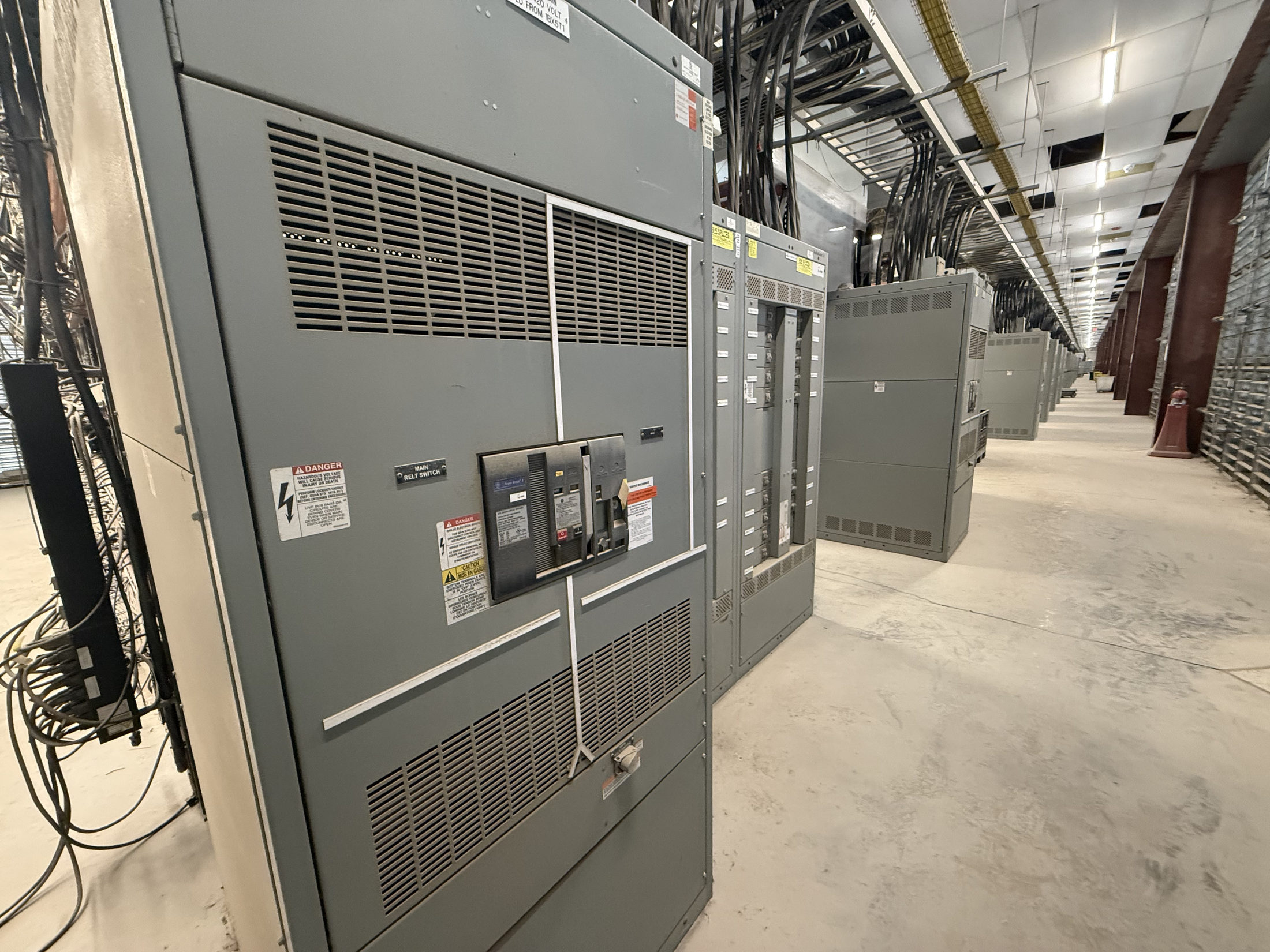
Why Harmonic Loads Change Distribution Design
Nonlinear loads draw current in patterns that differ from the smooth waveforms assumed in simple load estimates. Variable-frequency drives, UPS systems, electronic power supplies, LED drivers, and charging equipment can contribute harmonic currents, but the actual effect depends on equipment design, operating mode, and how loads are grouped. For a facility planning new switchgear, the issue is not simply whether nonlinear loads exist; it is how their current affects conductors, neutral paths, transformers, bus assemblies, and connected equipment under expected operating conditions.
Thermal and load design should therefore use a project-specific assessment rather than a generic allowance. Harmonic heating can influence equipment selection and configuration, while load diversity and simultaneous operation affect the expected demand. A distribution assembly must be selected against the documented system conditions and applicable requirements, not an assumed universal harmonic capability. Early identification lets the design team resolve gaps before equipment details and procurement schedules are fixed.
Define the Study and Its Owner
The project should identify who is responsible for harmonic analysis and what decisions that analysis must support. Depending on the scope, the responsible engineer may be the electrical design professional, a power-quality consultant, or another qualified party designated by the project. The equipment manufacturer can use approved study findings and design criteria to develop an assembly to specification, but should not be presumed to have performed a facility-wide study unless that scope is expressly established.
Set the study boundary: identify the utility or source interface, transformers, major distribution buses, significant nonlinear loads, and any sensitive or critical equipment. Confirm whether the assessment addresses expected normal operation, alternate configurations, future phases, or particular operating cases. The engineer should determine the applicable analysis methods and acceptance criteria for the project. Relevant authorities and the project team must review requirements; no single standard or threshold should be assumed to apply to every installation.
Gather Inputs That Reflect Real Operation
Useful inputs include the one-line diagram, source and transformer data, available fault information where required, feeder and bus details, load schedules, and operating scenarios. For nonlinear equipment, request manufacturer data relevant to harmonic current emissions, input arrangements, filtering, and operating range. Document quantities, expected loading, duty cycles, and whether loads operate together. If detailed data are unavailable, record the assumptions and identify who will validate them before final design.
Load forecasts should distinguish connected load from expected demand and account for planned expansion without treating speculative capacity as confirmed. Identify neutral loading, phase balance, equipment duty, ambient and enclosure conditions, and installation constraints for the design professional’s review. These inputs support both thermal assessment and distribution sizing; they do not replace engineering judgment. A clear data register with source, revision, and open items helps prevent a preliminary estimate from being mistaken for a verified design basis.
Resolve Equipment and System Interfaces
Study results can affect more than the switchgear lineup. The design team should coordinate source characteristics, transformer selection, feeder and neutral conductors, downstream panels, protective devices, and any proposed harmonic mitigation. Confirm where filters or other corrective measures would connect, who specifies them, and whether their effects are included in the analysis. Changes to load mix, transformer arrangement, or system configuration may alter the findings and should be reviewed before design release.
For new switchgear, communicate the verified design basis to the manufacturer: system configuration, specified voltage and load requirements, relevant harmonic findings, environmental conditions, enclosure needs, and interface dimensions or connections. Ratings and construction details must be checked against the project, equipment design, and applicable requirements. UL 891 applies to suitable switchboard assemblies only; it is not an automatic designation for all switchgear. Applicable standards and any listing requirements depend on the equipment and project and must be confirmed.
Coordinate Design Review and Verification
Before equipment submittals are finalized, the responsible electrical professional should reconcile the load schedule, study assumptions, one-line diagram, and equipment requirements. Review open data, anticipated operating modes, neutral and thermal considerations, mitigation interfaces, and any changes made since the analysis. If the load mix changes—for example, additional drives or a different UPS arrangement—determine whether the study and equipment design need revision. This review helps keep procurement documents aligned with the conditions the assembly is expected to serve.
Testing and commissioning responsibilities should be assigned by the project team, including what measurements or functional checks are required, who performs them, and how results will be documented. Field verification should follow approved procedures and be performed by qualified personnel; this page does not direct work on energized equipment. Factory testing, when specified, should be defined by contract and applicable requirements rather than assumed. Acceptance criteria and responsibility for evaluating measured power quality belong in the project plan.
Prepare a Complete Procurement Package
A practical request for new switchgear should include the current one-line diagram, load schedule, study report or stated design assumptions, equipment interfaces, required ratings, physical constraints, applicable standards, and submittal expectations. Separate confirmed requirements from items pending engineering review. Ask the design professional to identify who approves substitutions or revisions that could affect thermal performance, loading, or harmonic analysis. This makes proposals easier to compare on the actual project basis instead of on an unsupported claim of general harmonic suitability.
For Austin and Central Texas projects, coordinate drawing reviews, site access constraints, delivery sequencing, and receiving responsibilities with the electrical contractor and project team; do not assume local installation service is included. The manufacturer builds in the USA using all-American components, offers custom assemblies to specification, and can ship nationwide. Lead time depends on project requirements. Before release, confirm the approved configuration, interfaces, submittal status, and unresolved study items with qualified project professionals and relevant authorities.
Project specification checklist
Use this checklist to organize the details for a project-specific review. Final ratings, applicable standards and equipment selections depend on the approved design.
| Item | What to confirm |
|---|---|
| Load and operating cases | Confirm load schedules, diversity assumptions, simultaneous operation, future phases, and configurations included in the design basis. |
| Harmonic study scope | Name the study owner, system boundary, analysis cases, methods, acceptance criteria, and party responsible for reviewing results. |
| Nonlinear-load data | Collect equipment quantities, manufacturer emissions data, operating ranges, filtering details, and documented assumptions for missing information. |
| Thermal and neutral design | Have the responsible engineer assess loading, neutral paths, conductor and equipment heating, ambient conditions, and enclosure constraints. |
| System interfaces and mitigation | Coordinate source and transformer data, feeders, protective devices, downstream equipment, and any specified filter or mitigation connections. |
| Procurement and verification | Confirm project-specific ratings, applicable standards, submittals, testing scope, approval responsibilities, and how design changes will be reviewed. |